
Mold in Rental Properties in Indian Harbour Beach: What Homeowners in Brevard County Should Know
Rental properties in Indian Harbour Beach face unique mold challenges that don’t always show up in owner-occupied homes. Coastal humidity, frequent tenant turnover, and varying maintenance habits can allow moisture problems to develop quietly. When mold appears in a rental, it often raises questions about responsibility, prevention, and how to address the issue correctly without unnecessary disruption.
In Brevard County’s climate, mold in rental properties is common—but it’s also manageable when approached calmly and professionally. Understanding why mold develops in rentals, where it’s most often found, and how inspections and remediation typically work helps property owners protect both their investment and their tenants.
Why Rental Properties Are More Vulnerable to Mold
Mold itself doesn’t care whether a property is rented or owner-occupied. What makes rentals more vulnerable is how moisture is managed day to day.
Tenants may not always notice early warning signs like small leaks, condensation, or musty odors. Others may notice them but delay reporting, assuming it’s minor. Over time, moisture lingers and mold has a chance to grow.
In Indian Harbour Beach, high coastal humidity adds another layer. Even well-maintained rentals can develop mold if ventilation, HVAC systems, or drainage aren’t performing optimally.
Turnover between tenants can also be a risk period. Vacant units with limited air circulation may experience rising indoor humidity, especially if air conditioning is turned down too low or off entirely.
Common Moisture Sources in Rental Properties
Most mold issues in rental homes trace back to predictable moisture sources.
Bathrooms are one of the most common problem areas. Frequent showers, limited ventilation, and inconsistent fan use allow humidity to build up quickly.
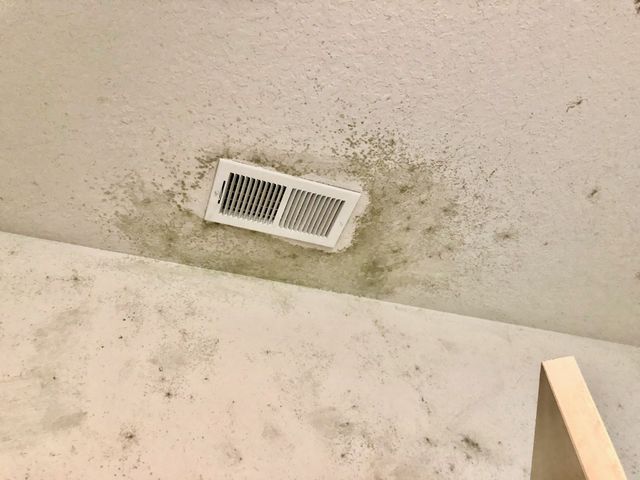
HVAC systems are another major contributor. Clogged condensate drain lines, cracked drain pans, or poorly insulated ductwork can release moisture into walls, ceilings, or closets.
Plumbing leaks—especially slow ones under sinks, behind toilets, or inside walls—often go unnoticed in rentals until damage becomes visible.
Roof leaks and window intrusion after storms are also common in coastal areas like Indian Harbour Beach, particularly when wind-driven rain forces moisture into small exterior gaps.
Where Mold Is Often Found in Indian Harbour Beach Rentals
Mold in rental properties is frequently discovered in both visible and hidden locations.
Bathrooms and kitchens are obvious areas, with mold appearing on ceilings, grout, caulk, or around sinks.
Closets along exterior walls are another frequent location, especially when airflow is limited and walls stay cooler.
Behind walls, slow plumbing leaks or window intrusion can dampen drywall and insulation without surface damage.
Under flooring—particularly in slab-on-grade buildings—moisture can become trapped after leaks or spills, allowing mold to grow unseen.
HVAC closets and air handlers are also common sources, especially in smaller rental units where systems run constantly.
Signs Tenants or Owners May Notice
Mold problems in rentals often come to light through indirect signs.
A musty or earthy odor is one of the most common complaints. In Indian Harbour Beach rentals, this smell may be strongest when the AC turns on or after the unit has been closed up.
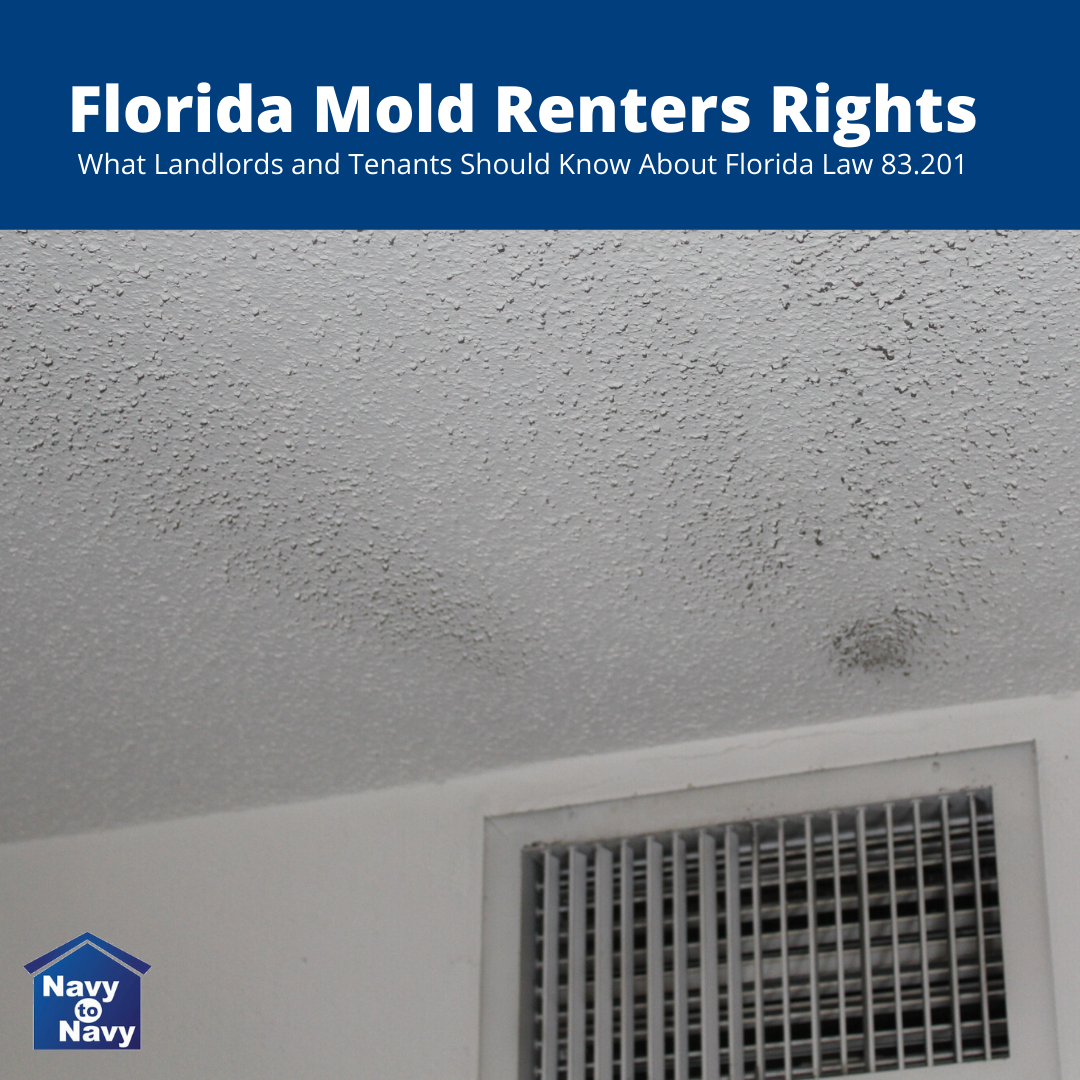
Visible discoloration on walls, ceilings, or baseboards may appear weeks or months after a moisture issue begins.
Tenants may also report rooms feeling damp, sticky, or harder to cool—often a sign of elevated humidity or HVAC-related moisture problems.
Peeling paint, bubbling drywall, or warped flooring usually indicate moisture behind surfaces, where mold may already be growing.
Why Mold Issues Can Escalate Quickly in Rentals
One of the biggest challenges with rental properties is timing.
Small moisture problems that could be addressed easily early on may go unnoticed or unreported. By the time mold is visible, growth may be more widespread.
In Brevard County’s humid climate, mold does not need much time to develop. Moisture that remains for days or weeks can support significant growth, especially in hidden areas.
This is why routine inspections and prompt responses to maintenance requests are so important in rental properties.
The Importance of Clear Documentation and Inspections
For rental property owners, documentation matters.
When mold is suspected, a professional inspection helps establish what’s present, where it’s located, and what moisture conditions are contributing to the problem. This clarity helps guide appropriate next steps.
Inspections typically include a visual evaluation of moisture-prone areas, moisture detection using meters or thermal imaging, and an assessment of ventilation and HVAC systems.
When appropriate, air or surface samples may be collected and sent to an independent laboratory. Testing helps document mold presence and can be useful in clarifying conditions without speculation.
Local professionals such as Brevard Mold Inspections & Removal focus on clear, factual findings that help property owners make informed decisions.
Mold Removal and Remediation in Rental Properties
When mold is confirmed, remediation should focus on both cleanup and moisture correction.
Containment is often used to prevent mold from spreading during removal, especially in multi-unit buildings or occupied rentals.
Affected materials may be cleaned or removed depending on severity and surface type. Porous materials with extensive growth—such as drywall or insulation—often require removal and replacement.
Just as important is correcting the moisture source. This may involve plumbing repairs, HVAC maintenance, ventilation improvements, or exterior repairs.
Without moisture control, mold is likely to return, regardless of how thorough the cleanup appears.
Why DIY Mold Cleanup Is Risky in Rentals
DIY mold cleanup is particularly risky in rental properties.
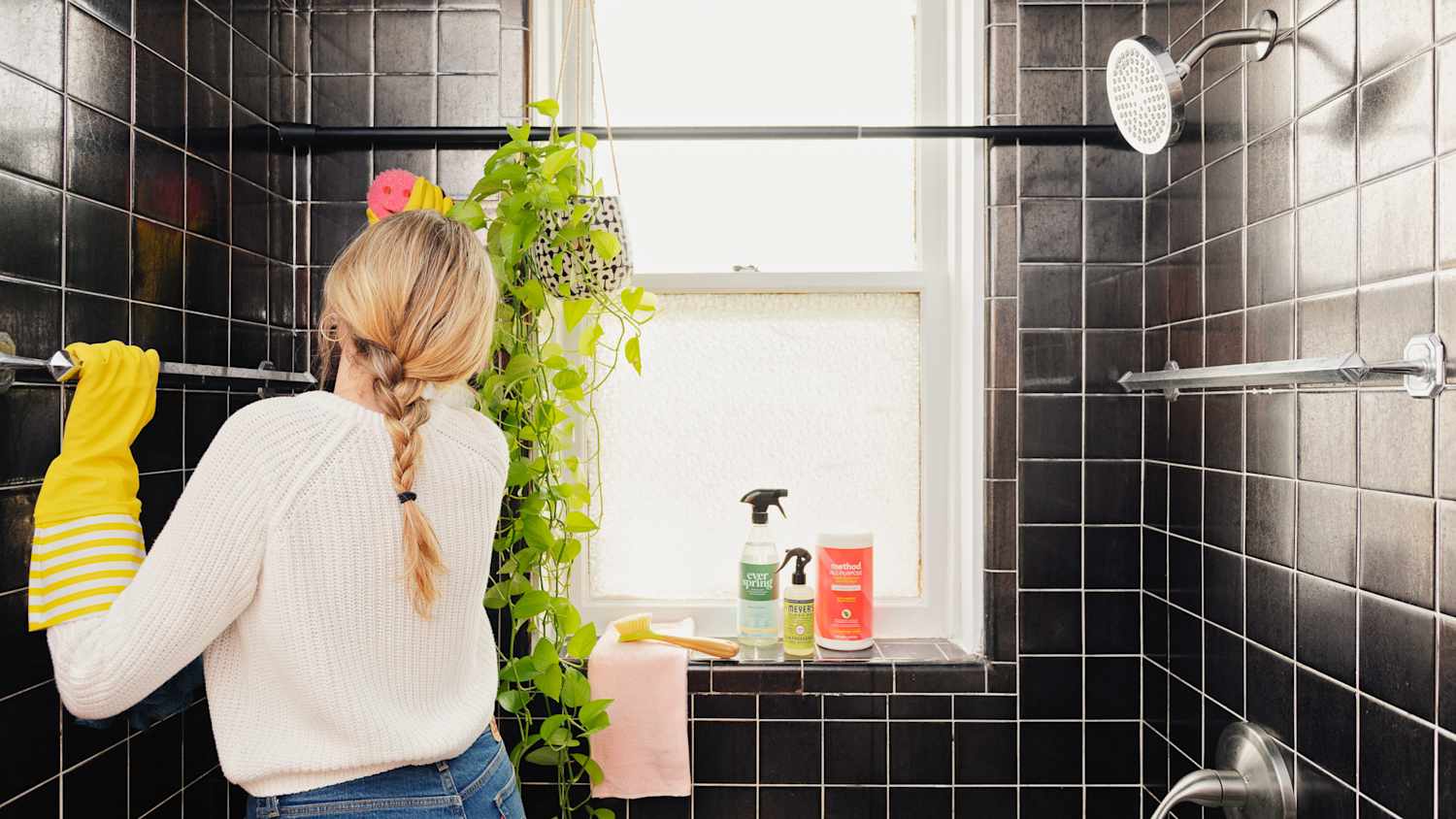
Surface cleaning may temporarily improve appearance but does not address mold inside porous materials or hidden spaces. Scrubbing without containment can also spread mold particles to other areas or adjacent units.
Household cleaners and bleach do not resolve underlying moisture issues and can add moisture to already damp surfaces.
In rental settings, incomplete cleanup often leads to recurring problems, additional tenant complaints, and higher long-term costs.
Preventing Mold in Indian Harbour Beach Rentals
Prevention is the most effective strategy for rental property owners.
Regular HVAC maintenance helps control humidity and prevent condensation issues. Drain lines should be kept clear, filters replaced regularly, and duct insulation maintained.
Bathroom exhaust fans should vent outdoors and function properly. Tenants should be encouraged to use fans during and after showers.
Routine inspections between tenants help identify leaks, moisture damage, or ventilation issues before new occupants move in.
Keeping air conditioning running at appropriate settings during vacancies helps prevent humidity buildup in unoccupied units.
Clear communication with tenants about reporting leaks or moisture concerns early also makes a significant difference.
Why Local Experience Matters for Rental Properties
Mold issues are not the same everywhere.
Indian Harbour Beach rentals face challenges related to coastal humidity, salt air, storm exposure, slab foundations, and Florida-specific HVAC designs. Local experience helps professionals understand how moisture behaves in these properties and where mold is most likely to develop.
This knowledge leads to more accurate inspections and practical recommendations that fit Brevard County conditions.
A Practical Takeaway for Rental Property Owners
Mold in rental properties is a common concern in Indian Harbour Beach, but it doesn’t have to become a recurring problem.
Most issues are tied to moisture that wasn’t identified or addressed early. Regular inspections, prompt maintenance, and professional evaluations when concerns arise help protect both the property and the people living in it.
With accurate information and local expertise, rental property owners in Brevard County can manage mold issues confidently, minimize disruption, and maintain healthier, more durable homes.
Mold in Rental Properties in Indian Harbour Beach: What Homeowners in Brevard County Should Know
Rental properties in Indian Harbour Beach face unique mold challenges that don’t always show up in owner-occupied homes. Coastal humidity, frequent tenant turnover, and varying maintenance habits can allow moisture problems to develop quietly. When mold appears in a rental, it often raises questions about responsibility, prevention, and how to address the issue correctly without unnecessary disruption.
In Brevard County’s climate, mold in rental properties is common—but it’s also manageable when approached calmly and professionally. Understanding why mold develops in rentals, where it’s most often found, and how inspections and remediation typically work helps property owners protect both their investment and their tenants.
Why Rental Properties Are More Vulnerable to Mold
Mold itself doesn’t care whether a property is rented or owner-occupied. What makes rentals more vulnerable is how moisture is managed day to day.
Tenants may not always notice early warning signs like small leaks, condensation, or musty odors. Others may notice them but delay reporting, assuming it’s minor. Over time, moisture lingers and mold has a chance to grow.
In Indian Harbour Beach, high coastal humidity adds another layer. Even well-maintained rentals can develop mold if ventilation, HVAC systems, or drainage aren’t performing optimally.
Turnover between tenants can also be a risk period. Vacant units with limited air circulation may experience rising indoor humidity, especially if air conditioning is turned down too low or off entirely.
Common Moisture Sources in Rental Properties
Most mold issues in rental homes trace back to predictable moisture sources.
Bathrooms are one of the most common problem areas. Frequent showers, limited ventilation, and inconsistent fan use allow humidity to build up quickly.
HVAC systems are another major contributor. Clogged condensate drain lines, cracked drain pans, or poorly insulated ductwork can release moisture into walls, ceilings, or closets.
Plumbing leaks—especially slow ones under sinks, behind toilets, or inside walls—often go unnoticed in rentals until damage becomes visible.
Roof leaks and window intrusion after storms are also common in coastal areas like Indian Harbour Beach, particularly when wind-driven rain forces moisture into small exterior gaps.
Where Mold Is Often Found in Indian Harbour Beach Rentals
Mold in rental properties is frequently discovered in both visible and hidden locations.
Bathrooms and kitchens are obvious areas, with mold appearing on ceilings, grout, caulk, or around sinks.
Closets along exterior walls are another frequent location, especially when airflow is limited and walls stay cooler.
Behind walls, slow plumbing leaks or window intrusion can dampen drywall and insulation without surface damage.
Under flooring—particularly in slab-on-grade buildings—moisture can become trapped after leaks or spills, allowing mold to grow unseen.
HVAC closets and air handlers are also common sources, especially in smaller rental units where systems run constantly.
Signs Tenants or Owners May Notice
Mold problems in rentals often come to light through indirect signs.
A musty or earthy odor is one of the most common complaints. In Indian Harbour Beach rentals, this smell may be strongest when the AC turns on or after the unit has been closed up.
Visible discoloration on walls, ceilings, or baseboards may appear weeks or months after a moisture issue begins.
Tenants may also report rooms feeling damp, sticky, or harder to cool—often a sign of elevated humidity or HVAC-related moisture problems.
Peeling paint, bubbling drywall, or warped flooring usually indicate moisture behind surfaces, where mold may already be growing.
Why Mold Issues Can Escalate Quickly in Rentals
One of the biggest challenges with rental properties is timing.
Small moisture problems that could be addressed easily early on may go unnoticed or unreported. By the time mold is visible, growth may be more widespread.
In Brevard County’s humid climate, mold does not need much time to develop. Moisture that remains for days or weeks can support significant growth, especially in hidden areas.
This is why routine inspections and prompt responses to maintenance requests are so important in rental properties.
The Importance of Clear Documentation and Inspections
For rental property owners, documentation matters.
When mold is suspected, a professional inspection helps establish what’s present, where it’s located, and what moisture conditions are contributing to the problem. This clarity helps guide appropriate next steps.
Inspections typically include a visual evaluation of moisture-prone areas, moisture detection using meters or thermal imaging, and an assessment of ventilation and HVAC systems.
When appropriate, air or surface samples may be collected and sent to an independent laboratory. Testing helps document mold presence and can be useful in clarifying conditions without speculation.
Local professionals such as Brevard Mold Inspections & Removal focus on clear, factual findings that help property owners make informed decisions.
Mold Removal and Remediation in Rental Properties
When mold is confirmed, remediation should focus on both cleanup and moisture correction.
Containment is often used to prevent mold from spreading during removal, especially in multi-unit buildings or occupied rentals.
Affected materials may be cleaned or removed depending on severity and surface type. Porous materials with extensive growth—such as drywall or insulation—often require removal and replacement.
Just as important is correcting the moisture source. This may involve plumbing repairs, HVAC maintenance, ventilation improvements, or exterior repairs.
Without moisture control, mold is likely to return, regardless of how thorough the cleanup appears.
Why DIY Mold Cleanup Is Risky in Rentals
DIY mold cleanup is particularly risky in rental properties.
Surface cleaning may temporarily improve appearance but does not address mold inside porous materials or hidden spaces. Scrubbing without containment can also spread mold particles to other areas or adjacent units.
Household cleaners and bleach do not resolve underlying moisture issues and can add moisture to already damp surfaces.
In rental settings, incomplete cleanup often leads to recurring problems, additional tenant complaints, and higher long-term costs.
Preventing Mold in Indian Harbour Beach Rentals
Prevention is the most effective strategy for rental property owners.
Regular HVAC maintenance helps control humidity and prevent condensation issues. Drain lines should be kept clear, filters replaced regularly, and duct insulation maintained.
Bathroom exhaust fans should vent outdoors and function properly. Tenants should be encouraged to use fans during and after showers.
Routine inspections between tenants help identify leaks, moisture damage, or ventilation issues before new occupants move in.
Keeping air conditioning running at appropriate settings during vacancies helps prevent humidity buildup in unoccupied units.
Clear communication with tenants about reporting leaks or moisture concerns early also makes a significant difference.
Why Local Experience Matters for Rental Properties
Mold issues are not the same everywhere.
Indian Harbour Beach rentals face challenges related to coastal humidity, salt air, storm exposure, slab foundations, and Florida-specific HVAC designs. Local experience helps professionals understand how moisture behaves in these properties and where mold is most likely to develop.
This knowledge leads to more accurate inspections and practical recommendations that fit Brevard County conditions.
A Practical Takeaway for Rental Property Owners
Mold in rental properties is a common concern in Indian Harbour Beach, but it doesn’t have to become a recurring problem.
Most issues are tied to moisture that wasn’t identified or addressed early. Regular inspections, prompt maintenance, and professional evaluations when concerns arise help protect both the property and the people living in it.
With accurate information and local expertise, rental property owners in Brevard County can manage mold issues confidently, minimize disruption, and maintain healthier, more durable homes.