
Mold Prevention in West Melbourne: What Homeowners in Brevard County Should Know
Homeowners in West Melbourne enjoy one of Brevard County’s most convenient locations, with easy access to beaches, shopping, schools, and major employers. But like the rest of Florida’s Space Coast, homes here face one ongoing challenge: moisture.
And where moisture exists, mold can follow.
Many homeowners only think about mold after it appears, often following a leak or storm. However, mold prevention is far easier — and less expensive — than dealing with mold removal later. The reality is that Florida’s climate constantly pushes moisture into homes, so prevention must be part of regular home maintenance.
Across West Melbourne, Palm Bay, Rockledge, and surrounding communities, mold inspections often reveal problems that could have been avoided with simple moisture control steps. Understanding how mold develops and how to prevent it helps homeowners protect both their property and indoor comfort.
Here’s what Brevard County homeowners should know about preventing mold growth.
Why Mold Prevention Matters in Florida Homes
Mold is naturally present in the outdoor environment, and mold spores constantly enter homes through doors, windows, and ventilation. Normally this isn’t a problem. Mold begins growing indoors only when moisture allows spores to settle and spread.
Mold feeds on materials commonly found in homes, including:
• Drywall
• Wood framing
• Insulation
• Carpet and flooring
• Dust and organic debris
• Cabinets and trim
If these materials stay damp long enough, mold growth begins.
In West Melbourne homes, mold often develops slowly in hidden areas, sometimes months before homeowners notice anything is wrong. Prevention focuses on stopping moisture before mold has a chance to grow.
Why West Melbourne Homes Face Mold Risks
Although West Melbourne sits slightly inland compared to coastal communities like Satellite Beach or Cocoa Beach, homes still experience Florida’s high humidity and frequent storms.
High Year-Round Humidity
Humidity levels in Brevard County often remain above the level where mold thrives. Even without leaks, indoor humidity can remain high.
Heavy Seasonal Rainfall
Summer storms and hurricane season regularly bring heavy rainfall that can expose roofing or window weaknesses.
Air Conditioning System Challenges
AC systems help control humidity but also create condensation. If drain lines clog or systems malfunction, moisture builds up inside walls or ceilings.
Slab Foundation Construction
Many homes in West Melbourne are built on slab foundations, allowing moisture to migrate into flooring materials if conditions allow.
Tight Modern Construction
Newer homes built for energy efficiency sometimes trap humidity indoors if ventilation is not adequate.
Because moisture is constantly present, prevention requires consistent attention.
Early Signs Moisture Is Becoming a Problem
Many mold problems begin with subtle moisture warning signs. Recognizing these early allows homeowners to act before mold develops.
Common early signs include:
• Persistent musty smells
• Condensation on windows or vents
• Peeling paint or bubbling drywall
• Rooms that feel humid or damp
• Stains appearing on ceilings or walls
• Flooring beginning to warp
In homes across Melbourne and Palm Bay, humidity problems often show up first as mild odors or condensation before visible mold appears.
Addressing moisture quickly prevents larger issues later.
Areas of the Home Most Vulnerable to Mold Growth
Some parts of Florida homes are especially vulnerable to moisture buildup.
Common mold-prone areas include:
Bathrooms
Steam from showers quickly raises humidity, especially when exhaust fans aren’t used.
Laundry Rooms
Dryers and washing machines produce moisture that can remain trapped.
Kitchens
Cooking generates steam that increases humidity levels.
Closets on Exterior Walls
Limited airflow allows moisture buildup in enclosed spaces.
Attics
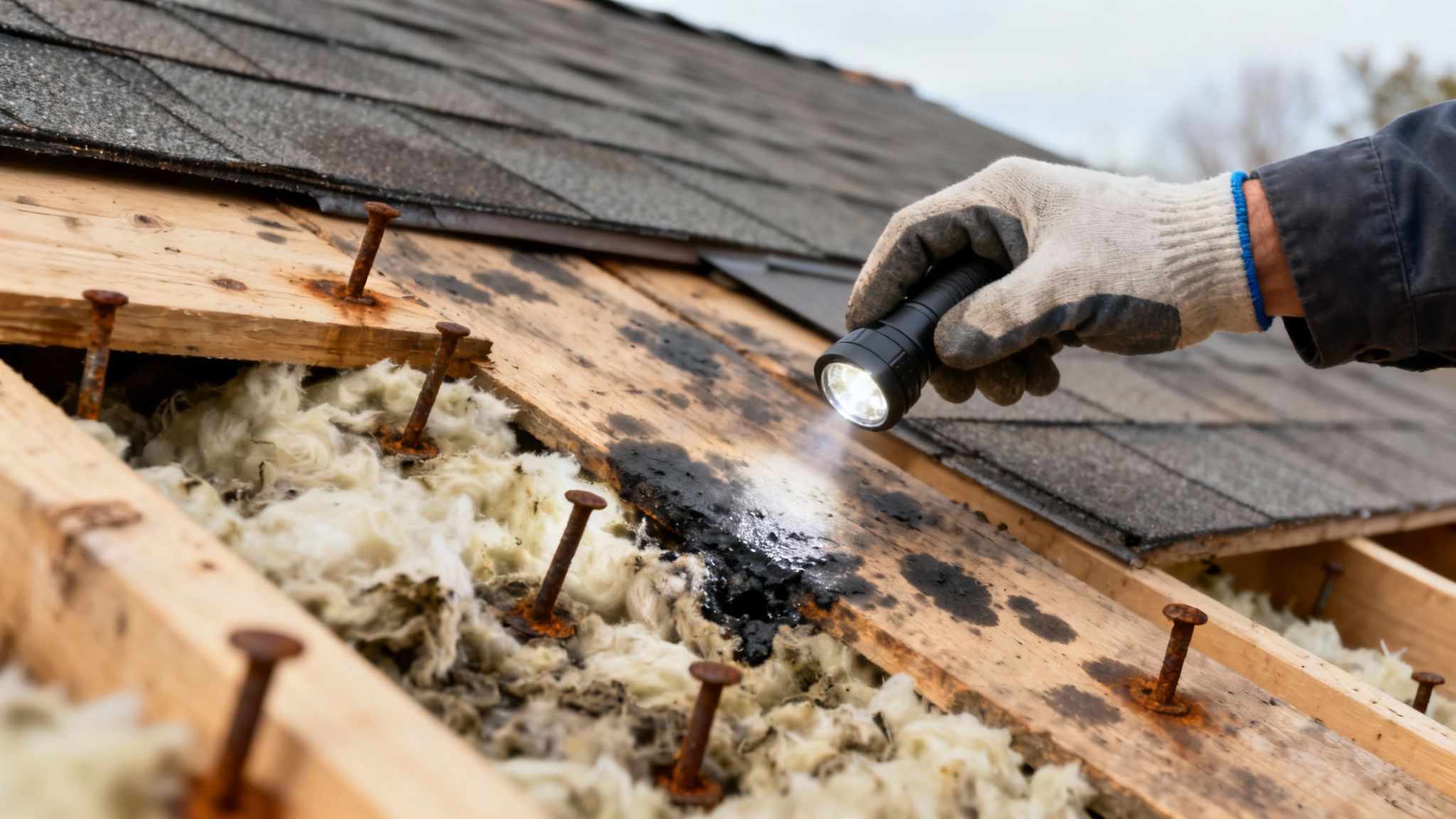
Poor ventilation traps heat and moisture, leading to mold growth on roof decking.
Crawl Spaces
Moisture rising from soil or stormwater creates mold conditions beneath homes.
Homes in Merritt Island and Rockledge often show mold beginning in these hidden spaces before spreading elsewhere.
Hidden Moisture Sources Homeowners Often Miss
Many mold issues develop where moisture isn’t obvious.
Professional inspections frequently uncover hidden moisture problems caused by:
• Slow plumbing leaks behind walls
• AC duct condensation
• Poor attic ventilation
• Moisture trapped under flooring
• Wet insulation after roof leaks
• Humidity entering through crawl spaces
Homeowners may never notice these issues until mold appears or odors develop.
Regular inspections and maintenance help catch hidden moisture early.
Why Mold Keeps Returning in Some Homes
Some homeowners repeatedly clean mold only to see it return. This usually happens because moisture problems weren’t corrected.
Common reasons mold comes back include:
• Bathroom fans not used long enough after showers
• HVAC systems not removing humidity effectively
• Minor plumbing leaks left unrepaired
• Homes left closed up without climate control
• Wet materials not replaced after leaks
Cleaning mold without fixing moisture conditions only provides temporary results.
Humidity control is the long-term solution.
How Professional Inspections Help Prevent Mold
Professional inspections don’t just find mold; they identify moisture conditions that allow mold to grow.
Inspections often include:
• Moisture detection behind walls
• HVAC system evaluation
• Attic and crawl space inspection
• Ventilation assessment
• Leak detection
Companies like Brevard Mold Inspections & Removal often help homeowners discover small moisture issues before mold becomes widespread.
Early intervention prevents larger repairs.
Practical Mold Prevention Tips for West Melbourne Homeowners
Preventing mold in Florida homes requires routine moisture control habits.
Helpful prevention steps include:
• Keeping indoor humidity below 55%
• Servicing AC systems annually
• Running bathroom and kitchen exhaust fans
• Fixing plumbing leaks quickly
• Checking roofs after storms
• Improving attic ventilation
• Using dehumidifiers during humid months
• Monitoring areas previously affected by water damage
Homes throughout Brevard County benefit from regular moisture awareness.
Simple maintenance prevents expensive remediation later.
Why Local Experience Matters in Mold Prevention
Florida homes face moisture challenges different from homes in cooler climates.
Local professionals understand:
• Coastal humidity patterns
• Hurricane water intrusion risks
• Florida slab construction moisture movement
• AC condensation challenges
• Local building styles and materials
Solutions must match Brevard County’s climate conditions to work effectively.
Local expertise helps prevent repeat mold problems.
A Practical Next Step for Homeowners
Most mold problems begin quietly, and homeowners often don’t realize humidity or moisture levels are too high until mold appears.
If your West Melbourne home has persistent odors, recurring moisture signs, or humidity concerns, a professional inspection can provide peace of mind and identify small issues before they become larger repairs.
Brevard Mold Inspections & Removal works with homeowners across West Melbourne and throughout Brevard County to identify moisture concerns and recommend practical prevention steps.
Addressing moisture early helps keep homes comfortable, protects property value, and prevents mold problems before they start in Florida’s humid climate.