
Mold Inspection and Testing
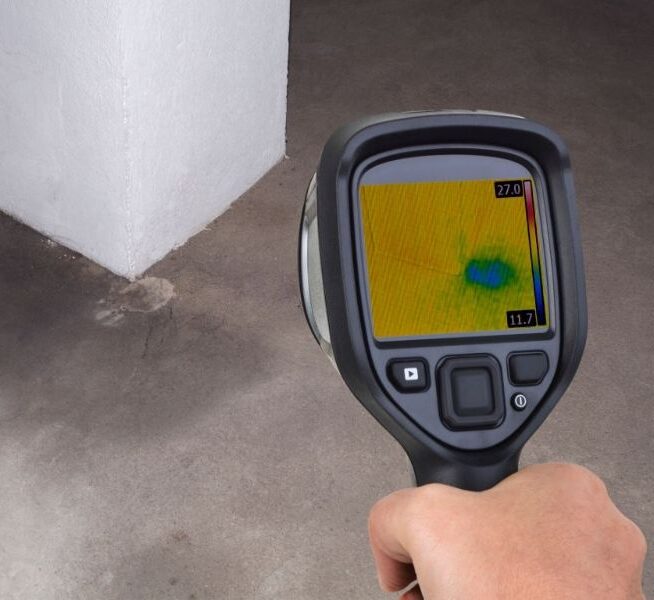
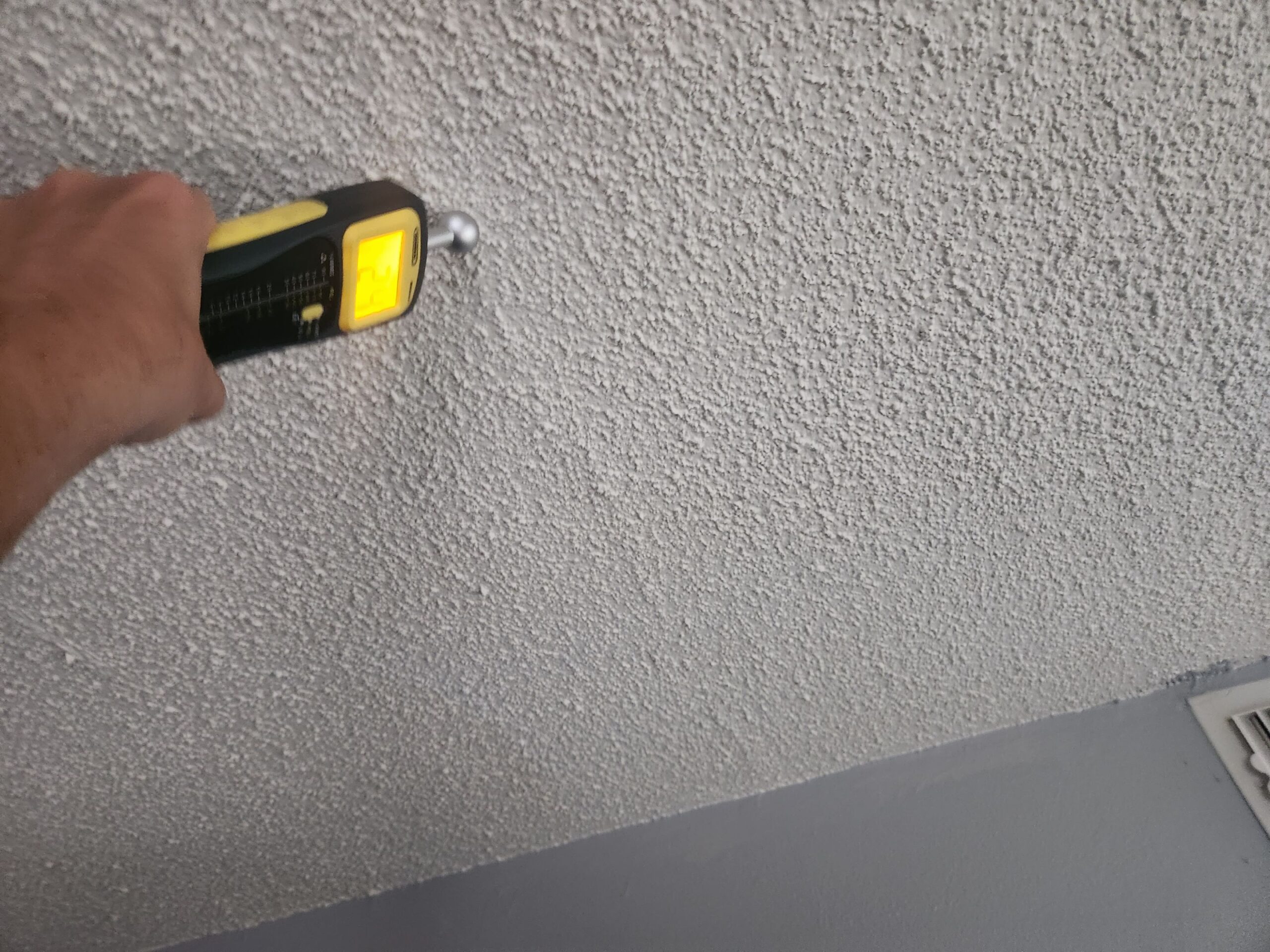
A mold and moisture inspection begins with the property conditions, the history of the concern, and the areas that can be evaluated. Moisture readings, thermal observations, or laboratory sampling may be used when they can answer a defined question.
Mold Removal & Remediation
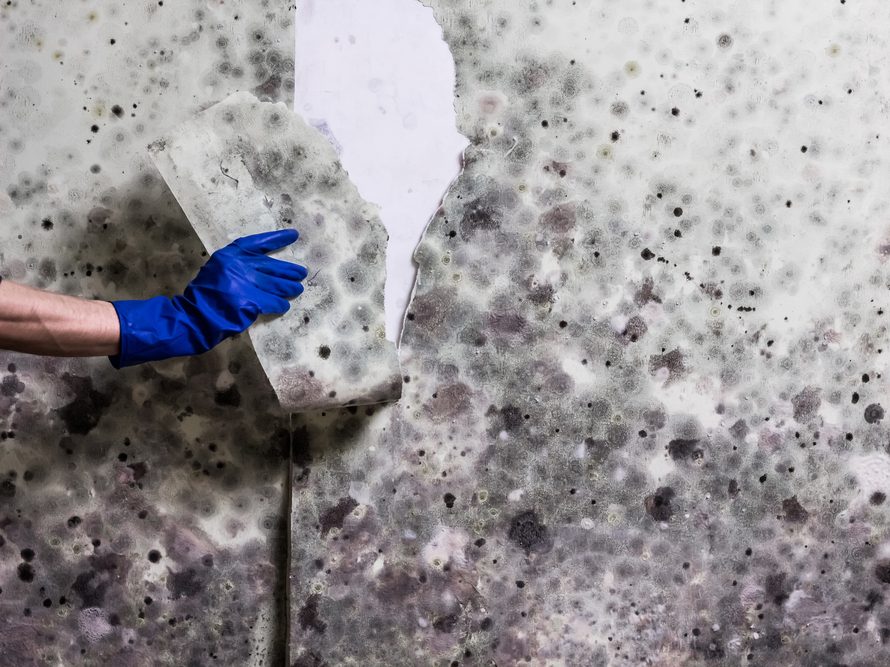
Defined remediation work begins with an established work area and a clear understanding of the materials and conditions involved. The project scope may include controlled removal, cleaning, and condition management based on what the work requires.
Water Damage Evaluation
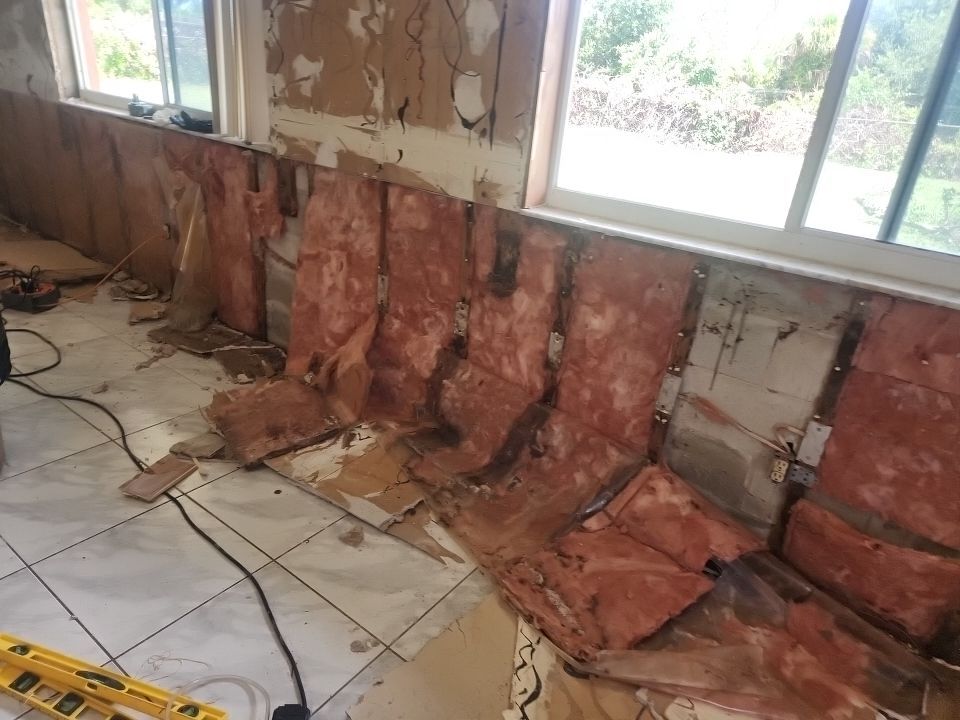
After a water event, evaluation helps establish which areas and materials are affected and whether drying, removal, repair, specialized trade service, or additional investigation is the appropriate next step.
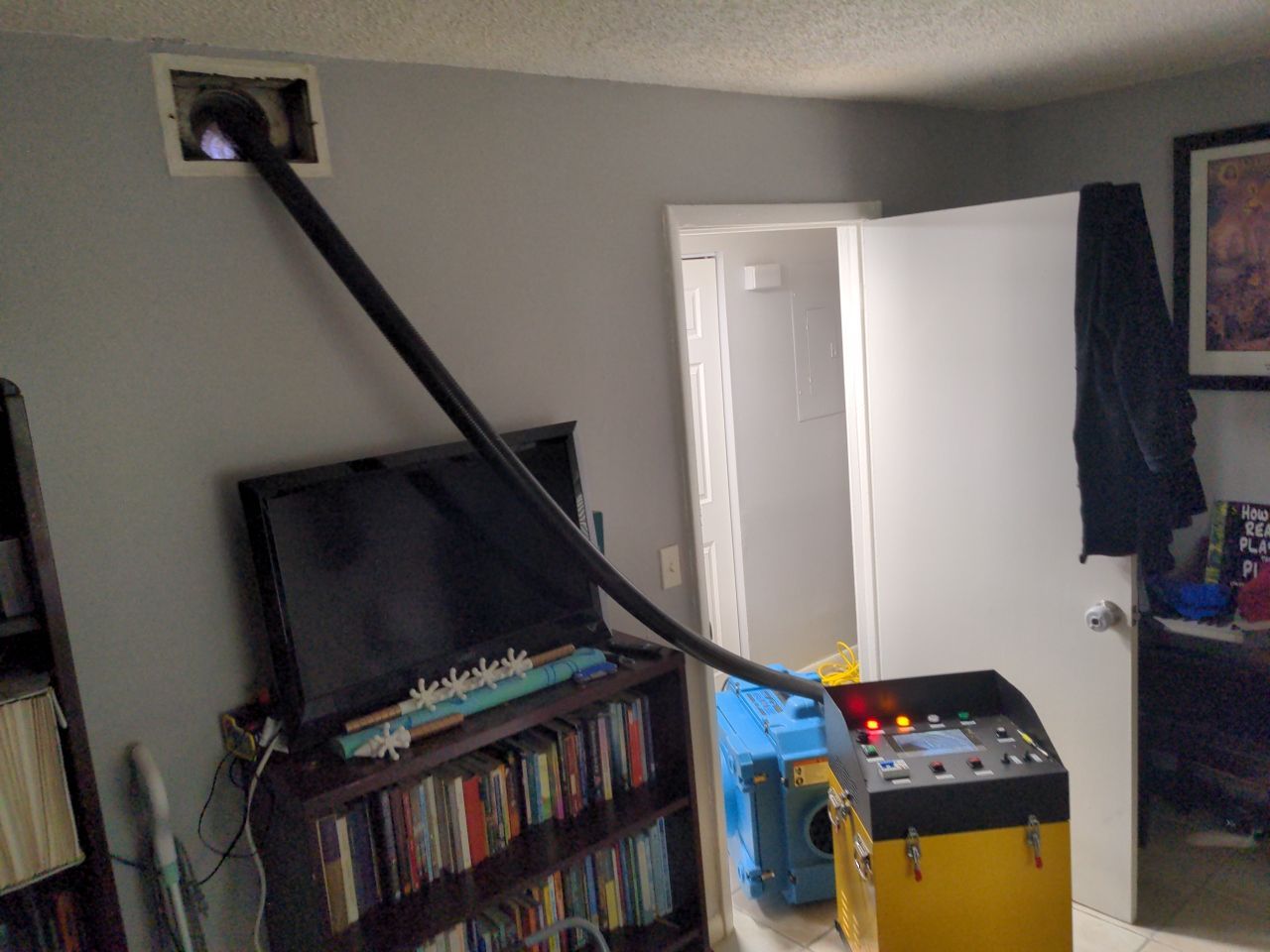
Air-System Mold Evaluation
Accessible air handlers, returns, plenums, registers, and duct components can be reviewed when moisture, visible growth, debris, or odor is suspected. The service addresses environmental conditions and does not promise mechanical HVAC repair.

Leak Detection
Follow moisture clues through visible conditions, material readings, property history, and thermal information where appropriate. The service documents likely moisture pathways and affected materials; plumbing, roofing, and mechanical repairs require the appropriate trade.
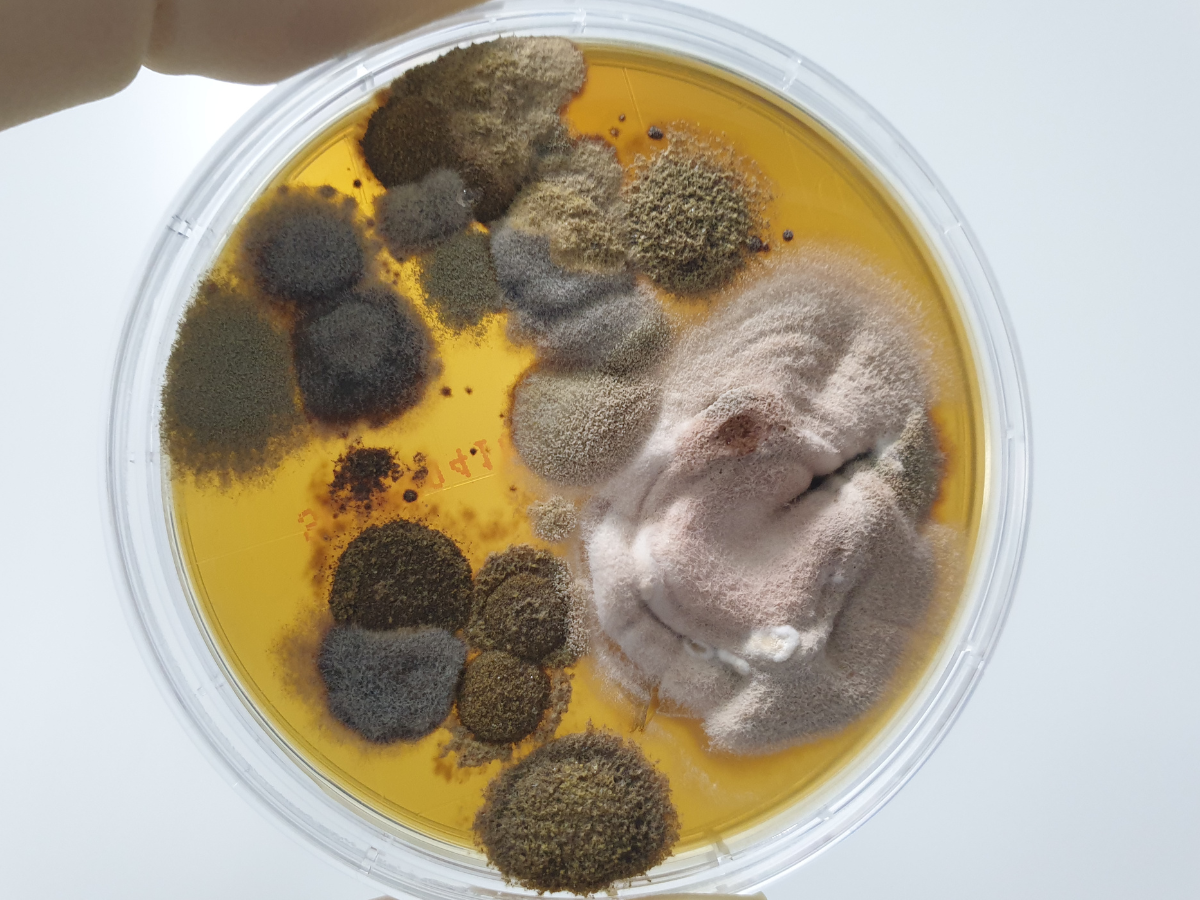
Bacterial Testing
Bacterial sampling may be appropriate when a water event, sanitation concern, or other property condition creates a specific question that laboratory analysis can help answer.