
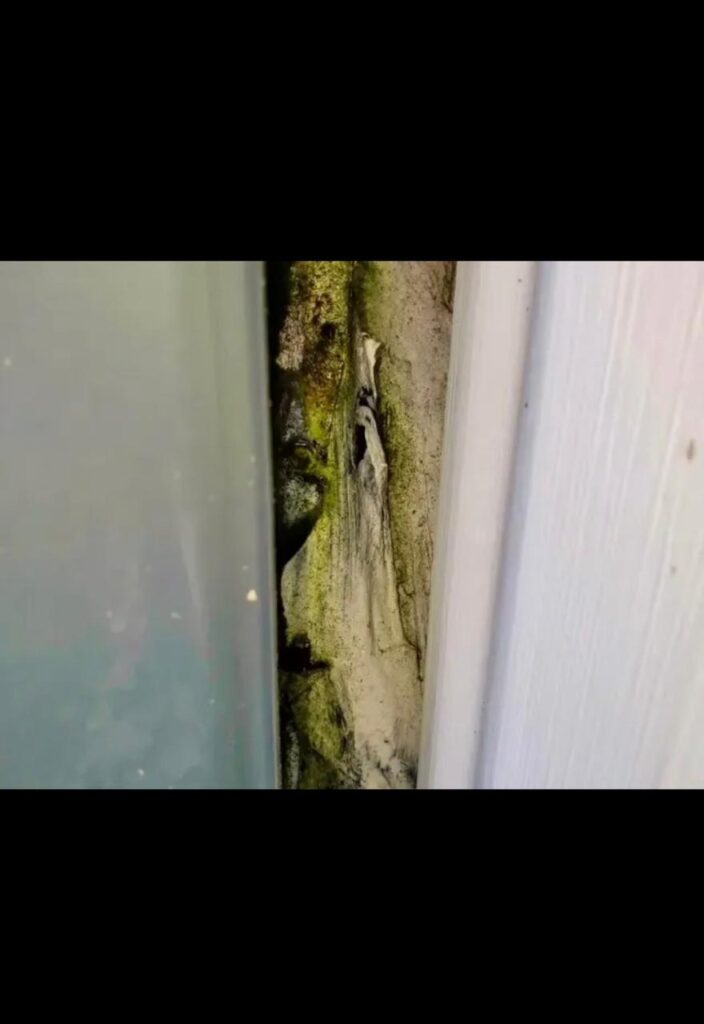
Toxic Mold in Titusville: What Homeowners in Brevard County Should Know
If you live in Titusville and you’ve heard the phrase “toxic mold,” it can sound alarming. Between hurricane season, high humidity, and year-round AC use, mold concerns are common across Brevard County. When people see dark growth on drywall or smell a strong musty odor, the first question is often: Is this toxic?
Let’s take a calm, factual approach.
In Florida, mold growth is usually a moisture problem first. The word “toxic” gets used frequently, but what matters most for homeowners in Titusville, Mims, Rockledge, and surrounding areas is understanding what mold is, why it grows here, and how to address it properly.
What “Toxic Mold” Really Means
The term “toxic mold” is commonly used in media and online discussions. In reality, certain mold species can produce substances called mycotoxins under specific conditions. However, mold problems in homes are primarily about:
- Moisture
- Concentration of spores
- Duration of exposure
- The individual sensitivity of occupants
Not every dark-colored mold is “toxic.” In fact, mold cannot be accurately identified by appearance alone. A black stain on drywall in a Titusville home could be one of several common species.
That’s why proper inspection and, when necessary, laboratory testing matter. Assumptions based on color often lead to unnecessary fear.
Why Mold Growth Is So Common in Titusville
Titusville sits along the Indian River Lagoon and experiences the same environmental pressures as the rest of Brevard County:
- High humidity nearly year-round
- Heavy afternoon rainstorms
- Hurricane season wind-driven rain
- Slab foundations
- Hot attic spaces
- AC systems running most of the year
Homes near the river often deal with elevated ambient moisture levels. Even newer homes in Viera and older properties in Titusville neighborhoods share the same climate conditions.
When moisture enters a home — whether from roof leaks, plumbing failures, or AC condensation — mold can begin developing quickly if drying isn’t thorough.
Florida’s climate accelerates that process.
Common Sources of Mold in Titusville Homes
When homeowners in Titusville call about “toxic mold,” we often trace the issue back to one of these moisture sources:
Roof Leaks After Storms
Wind-driven rain during hurricane season can enter through flashing, vents, or damaged shingles.
AC Condensate Drain Backups
Clogged drain lines can cause water to overflow into ceilings or closets.
Plumbing Leaks Inside Walls
Slow leaks may go unnoticed until staining or odor develops.
Bathroom Ventilation Problems
Fans that vent into attics instead of outside create trapped humidity.
Past Water Damage That Wasn’t Fully Dried
Sometimes a prior water event in Palm Bay or Cocoa Beach wasn’t properly dried, leading to delayed growth.
Mold doesn’t need flooding. It needs consistent moisture.
Signs That Mold May Be Present
Homeowners across Brevard County often notice:
- Persistent musty odors
- Dark staining on drywall or ceilings
- Peeling or bubbling paint
- Warped baseboards
- Staining around AC vents
- Visible growth in attics
Smell is often the first sign. If your Titusville home smells damp even when surfaces appear dry, hidden moisture may be present.
Again, visibility doesn’t confirm species. Only testing can identify mold types accurately.
Understanding Mold and Health Concerns
People respond to mold exposure differently.
Some individuals may experience:
- Nasal congestion
- Sneezing
- Eye irritation
- Throat irritation
- Worsened allergy symptoms
Others may not notice any symptoms at all.
Sensitivity varies. What’s important is reducing unnecessary exposure by controlling indoor moisture and addressing active growth.
If you have health concerns, discussing symptoms with a qualified healthcare professional is always appropriate. From a property standpoint, the focus remains on eliminating moisture and contamination sources.
Why Ignoring Mold Is Not a Good Strategy
Sometimes homeowners hope small patches will stop growing on their own.
In Florida’s climate, that’s unlikely.
When mold is visible, it usually indicates an active or past moisture issue. If the moisture source isn’t corrected:
- Growth may spread behind walls
- Airborne spore levels may increase
- Structural materials may deteriorate
- Odors may persist
In Rockledge and Merritt Island homes, we’ve seen small ceiling stains develop into larger attic contamination because roof leaks were delayed in repair.
Early evaluation is simpler than late-stage remediation.
What a Professional Mold Inspection Involves
If you’re concerned about potential “toxic mold” in your Titusville home, inspection is the logical next step.
At Brevard Mold Inspections & Removal, a thorough evaluation may include:
Visual Assessment
Examining interior rooms, attics, HVAC systems, and moisture-prone areas.
Moisture Mapping
Using professional moisture meters to detect hidden dampness.
Infrared Thermal Imaging
Identifying temperature differences that may indicate trapped moisture.
Humidity Measurements
Evaluating overall indoor environmental conditions.
Air and Surface Sampling (When Appropriate)
Samples may be sent to a certified laboratory for species identification and spore count comparison.
Testing helps determine whether indoor mold levels exceed normal outdoor background levels.
The goal is clarity — not assumptions.
Proper Mold Remediation Approach
If mold is confirmed, remediation follows established industry guidelines.
A structured process typically includes:
- Containment of affected areas
- HEPA air filtration
- Removal of contaminated porous materials when necessary
- Cleaning and treatment of non-porous surfaces
- Correction of the moisture source
The most critical step is moisture correction. Without it, mold will likely return.
In Titusville homes near the river or in older neighborhoods, ventilation upgrades or drainage corrections often play a major role in long-term prevention.
Preventing Mold in Titusville Homes
While Florida’s humidity can’t be changed, homeowners can reduce risk significantly.
Practical prevention steps include:
- Maintain indoor humidity between 40% and 55%
- Service AC systems annually
- Ensure condensate drain lines are clear
- Run bathroom exhaust fans during and after showers
- Inspect roofs after storms
- Check attic ventilation regularly
- Address plumbing leaks immediately
- Monitor for musty odors
Homes in coastal areas like Cape Canaveral and Satellite Beach may require more frequent exterior inspections due to salt air and wind exposure.
Routine awareness prevents larger problems.
Why Local Experience in Brevard County Matters
Mold behavior in Arizona or Nevada isn’t the same as in Titusville.
Local professionals understand:
- River-adjacent humidity patterns
- Slab foundation moisture movement
- Hurricane-related roof vulnerabilities
- AC systems operating nearly year-round
- Florida attic heat and ventilation challenges
A home in Titusville may have different moisture behavior than one in Viera or Palm Bay.
That local knowledge helps inspections be more accurate and remediation more effective.
Many homeowners rely on Brevard Mold Inspections & Removal because understanding Florida’s specific environmental conditions makes a measurable difference in resolving mold concerns responsibly.
A Calm, Practical Next Step
If you suspect “toxic mold” in your Titusville home, start with evaluation rather than assumption.
A professional inspection can determine:
- Whether mold is present
- What type of mold is involved (if testing is performed)
- Whether moisture remains
- What corrective steps are appropriate
Sometimes the solution is improving ventilation or correcting humidity levels. Other times, professional remediation is needed.
Florida’s climate means mold issues are common — but manageable.
With accurate assessment and proper moisture control, mold concerns in Brevard County homes can be addressed calmly, thoroughly, and effectively.