
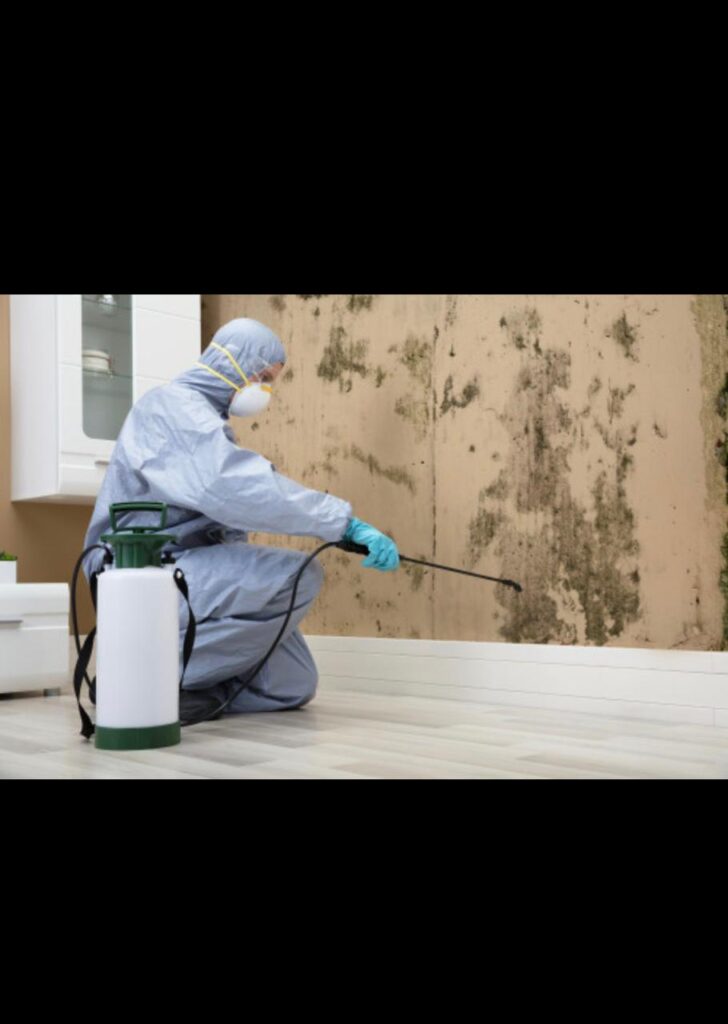
Mold Health Effects in Rockledge: What Homeowners in Brevard County Should Know
If you live in Rockledge or anywhere in Brevard County, you’ve probably heard concerns about mold and health. Maybe you’ve noticed a musty smell in your home. Maybe you’ve dealt with past water damage after a storm. Or maybe you’re simply trying to be proactive.
In Florida, mold is common. Our humidity, heavy rainfall, and year-round warmth create conditions where moisture problems can quickly lead to growth. But when it comes to health effects, it’s important to approach the topic calmly and factually — without exaggeration or fear.
Here’s what homeowners in Rockledge, Viera, Melbourne, and surrounding areas should understand about mold exposure and why moisture control matters.
Why Mold Is So Common in Brevard County Homes
Before talking about health effects, it helps to understand the environment we live in.
Brevard County has:
- High year-round humidity
- Frequent afternoon storms
- Hurricane season impacts
- AC systems that run most of the year
- Slab foundations that can retain moisture
- Hot attics that trap humid air
In Rockledge neighborhoods, especially older homes near the Indian River, we often see moisture issues tied to roof leaks, plumbing leaks, or condensation buildup inside walls.
Mold spores are naturally present in indoor and outdoor air. They become a concern when moisture allows them to multiply indoors in higher concentrations.
That’s where both property and health concerns can arise.
What We Know About Mold and Health
Mold affects people differently.
For many individuals, exposure to elevated mold levels can cause irritation such as:
- Sneezing
- Runny or stuffy nose
- Itchy or watery eyes
- Skin irritation
- Throat irritation
People with asthma, allergies, or respiratory sensitivities may notice symptoms more quickly when indoor mold levels are elevated.
It’s important to understand that reactions vary widely. Some homeowners in Palm Bay or Cocoa may not notice symptoms at all, while others in the same home environment may feel irritation more strongly.
The goal isn’t to diagnose health conditions — that’s always something to discuss with a medical professional. The goal is to reduce unnecessary exposure by managing indoor moisture.
Why Mold Concentrations Matter
Because mold spores exist everywhere, the key factor isn’t presence — it’s concentration.
Indoor mold becomes more concerning when:
- Growth is visible on surfaces
- Musty odors persist
- Moisture remains trapped in building materials
- Air sampling shows elevated indoor spore counts compared to outdoor levels
In Rockledge and Viera homes, high humidity alone can increase indoor spore activity if ventilation is inadequate.
This is why moisture control is central to prevention.
Common Mold Sources That Affect Indoor Air
In Brevard County homes, we frequently trace mold-related air quality concerns back to moisture issues such as:
Water Damage
After hurricanes or heavy rains in Melbourne or Satellite Beach, hidden moisture inside walls can lead to mold growth.
HVAC Systems
Air handlers in garages or closets can develop condensation problems. If mold forms inside ductwork, spores can circulate through the home.
Bathroom and Laundry Areas
Poor ventilation allows steam to linger and condense on ceilings and drywall.
Attics
Improperly vented bathroom fans or roof leaks create ideal conditions for attic mold, which can affect ceiling cavities below.
Crawl Spaces (where present)
Moisture intrusion beneath homes can elevate indoor humidity.
Often, homeowners in Titusville or Merritt Island first notice a smell before they ever see visible growth.
The Role of Humidity in Health Concerns
Humidity doesn’t just encourage mold growth. It also affects comfort and air quality.
When indoor humidity consistently exceeds 60%:
- Mold growth risk increases
- Dust mites become more active
- Air can feel heavier and more stagnant
In Rockledge, where outdoor humidity is naturally high, indoor humidity can rise quickly if AC systems aren’t functioning properly.
Keeping humidity between 40% and 55% significantly reduces the likelihood of mold amplification indoors.
When to Consider a Mold Inspection
If you’re concerned about possible mold exposure, consider a professional inspection if:
- You smell persistent musty odors
- You’ve had recent water damage
- You see visible growth on drywall or ceilings
- Your AC system smells when running
- You’re buying or selling a home
- There’s recurring staining or bubbling paint
At Brevard Mold Inspections & Removal, inspections focus on identifying moisture sources and determining whether mold growth is present at elevated levels.
A thorough inspection may include:
- Visual assessment of interior and attic spaces
- Moisture mapping with professional meters
- Humidity readings
- Infrared thermal imaging
- Air or surface sampling when appropriate
Testing helps determine whether indoor levels are higher than normal background levels.
Clarity reduces uncertainty.
Why Ignoring Mold Can Lead to Ongoing Exposure
Sometimes homeowners assume small patches aren’t worth addressing.
But in Florida’s climate, even minor growth can expand if moisture persists.
Ignoring mold may lead to:
- Continued moisture problems
- Recurring odors
- Increased indoor spore levels
- Further material damage
The longer moisture remains, the more likely growth will continue.
Early intervention is almost always simpler and less disruptive.
How Professional Remediation Reduces Risk
If mold is confirmed, professional remediation focuses on safe removal and moisture correction.
A typical process includes:
- Containment of affected areas
- HEPA air filtration
- Removal of contaminated porous materials when necessary
- Cleaning of non-porous surfaces
- Correction of the moisture source
In Rockledge homes, we often find that once leaks or humidity issues are resolved, indoor air quality improves significantly.
Remediation is not about alarm. It’s about restoring normal indoor conditions.
Practical Steps to Reduce Mold-Related Concerns
Homeowners in Brevard County can take simple, effective steps to reduce mold risk and maintain healthier indoor environments.
Monitor Indoor Humidity
Use a hygrometer to ensure levels stay below 55%.
Maintain Your AC System
Schedule annual servicing and keep condensate drain lines clear.
Improve Ventilation
Run bathroom exhaust fans and ensure they vent outside.
Inspect After Storms
Check ceilings, attic spaces, and baseboards after heavy rains or hurricanes.
Address Leaks Immediately
Small plumbing or roof leaks should be corrected quickly.
Avoid Covering Stains
Repainting without addressing moisture can allow hidden growth to continue.
Consistent attention to moisture control makes a measurable difference.
Why Local Experience in Rockledge Matters
Mold behavior in Colorado or Nevada isn’t the same as in coastal Florida.
Local professionals understand:
- How Indian River humidity impacts nearby homes
- How slab foundations retain moisture
- How hurricane season affects roof systems
- How AC systems operate nearly year-round
- How attic heat and humidity interact
A home near the river in Rockledge may experience different moisture patterns than one in Viera or Palm Bay.
That local understanding helps inspections be more accurate and remediation more targeted.
Many homeowners across Brevard County turn to Brevard Mold Inspections & Removal because understanding Florida-specific moisture behavior is essential to resolving mold issues effectively.
A Calm, Informed Next Step
If you’re concerned about mold and potential health effects in your Rockledge home, the right first step is evaluation — not panic.
A professional inspection can determine:
- Whether mold growth is present
- Whether moisture is contributing to elevated levels
- What areas are affected
- What corrective steps are appropriate
Sometimes improved ventilation and humidity control are enough. Other times, remediation is necessary.
The key is identifying the source and restoring normal indoor conditions.
In Brevard County, moisture is part of life. With proper awareness and proactive maintenance, mold-related health concerns can be minimized and managed responsibly.