
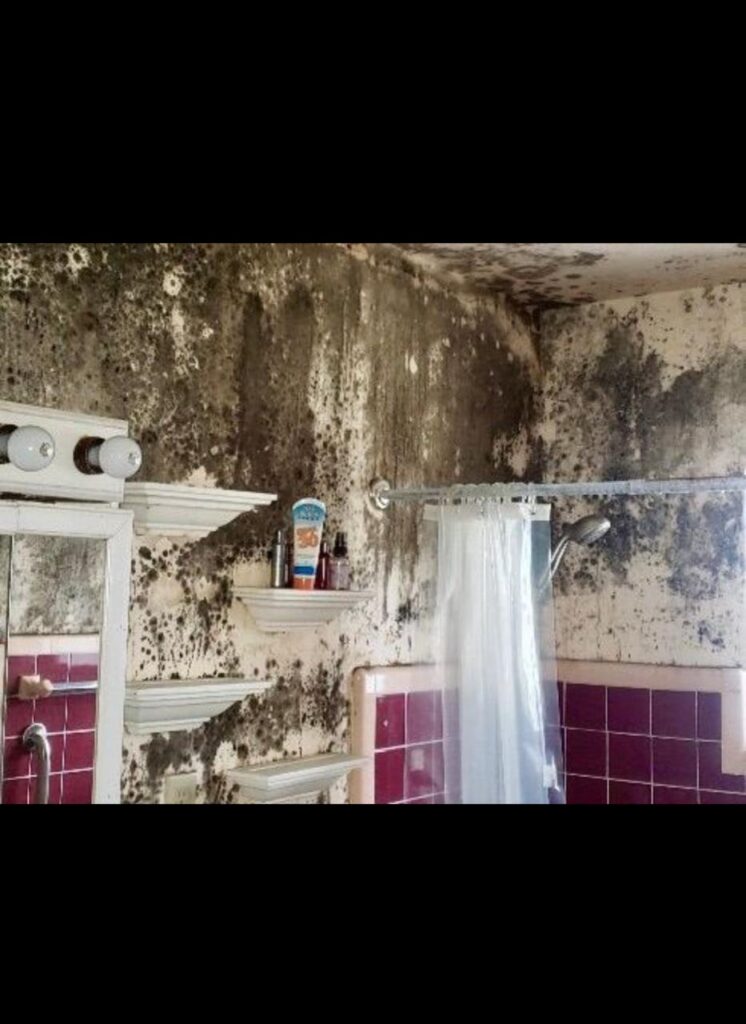
Bathrooms in Cape Canaveral deal with more moisture than almost any other room in the house. Add coastal humidity, daily showers, and Florida’s year-round heat, and it’s easy to see why bathroom mold is one of the most common concerns we hear about across Brevard County.
If you live in Cape Canaveral, Cocoa Beach, Merritt Island, or Satellite Beach and you’ve noticed dark spots on grout, peeling paint on the ceiling, or a musty smell that lingers even after cleaning, you’re not alone.
Bathroom mold is common here — but it’s also preventable and manageable when addressed properly.
Let’s walk through what’s happening, why it’s so common in Brevard County, and what you should do if you suspect a problem.
Why Bathrooms Are So Prone to Mold in Cape Canaveral
Bathrooms are naturally humid environments. In Florida, that baseline humidity is already high before you even turn on the shower.
Now consider what happens daily:
- Hot showers produce steam
- Steam condenses on ceilings and walls
- Exhaust fans are often underused
- Windows stay closed due to heat and salt air
- AC systems run constantly
In coastal areas like Cape Canaveral and Cocoa Beach, outside humidity often stays elevated even at night. That means bathrooms don’t fully dry out between uses unless ventilation is strong and consistent.
Over time, that lingering moisture creates ideal conditions for mold growth — especially on:
- Ceiling corners
- Around exhaust fans
- Grout lines
- Caulking around tubs and showers
- Behind vanities
- Under sinks
This isn’t about poor housekeeping. It’s about Florida’s climate working against enclosed, moisture-heavy spaces.
What Bathroom Mold Actually Is
Mold is a natural organism that spreads through microscopic spores. When those spores land on damp surfaces, they begin growing.
Bathrooms offer:
- Warmth
- Moisture
- Organic material (dust, skin cells, drywall paper, wood trim)
Even something as simple as drywall behind tile or the backing behind a mirror can support growth if moisture seeps in.
In many Cape Canaveral homes — especially condos and slab-built houses — moisture can also travel behind tile walls or into framing without being visible at first.
That’s where small issues can quietly expand.
Common Signs Homeowners Notice
Most homeowners first notice mold visually.
Typical bathroom warning signs include:
- Black or green spots along grout
- Dark staining near ceiling edges
- Bubbling paint
- Soft drywall near showers
- Persistent musty odor
- Caulk that keeps discoloring after cleaning
In Merritt Island and Rockledge homes, we often find that ceiling mold above showers is the first visible indicator — especially if the exhaust fan isn’t effectively removing steam.
Sometimes the problem appears minor on the surface but is more extensive behind tile or drywall.
Smell is another important clue. If your bathroom smells damp even after cleaning, moisture may be trapped somewhere you can’t see.
Why This Is So Common in Brevard County
Cape Canaveral and surrounding coastal cities face unique environmental factors:
Coastal Humidity
Salt air and high moisture levels are constant. Even well-maintained homes must actively manage indoor humidity.
Hurricane Season
After tropical storms, wind-driven rain can infiltrate through roof vents, soffits, or small exterior cracks. Bathrooms located near exterior walls may be affected first.
AC Condensation
Air handlers often sit in closets or garages. Clogged drain lines can allow excess moisture to accumulate in nearby walls.
Slab Foundations
Most homes in Palm Bay, Melbourne, and Cape Canaveral are slab-built. When moisture rises or lingers, it can affect lower drywall sections in bathrooms.
Poor Ventilation Design
Some older homes in Titusville or Cocoa have exhaust fans that vent into attics rather than outside — a major contributor to hidden mold.
Florida bathrooms need active moisture management. Without it, mold becomes likely.
Hidden Causes Behind Bathroom Mold
Visible surface mold is sometimes only part of the story.
We frequently uncover:
Leaking shower pans
Water slowly seeps under tile and into subflooring.
Loose toilet seals
Small leaks at the base can saturate surrounding drywall.
Improperly sealed plumbing penetrations
Water vapor travels into wall cavities.
Cracked grout lines
Allow moisture to pass behind tile.
Attic humidity intrusion
If bathroom fans vent into the attic, warm moist air accumulates above the ceiling.
Homes in Viera and Satellite Beach with modern sealed construction can trap humidity if ventilation isn’t balanced properly.
Mold thrives in hidden, undisturbed spaces — especially behind non-porous tile surfaces where moisture can’t evaporate easily.
Why DIY Cleaning Often Doesn’t Solve It
It’s common to wipe down visible mold with bleach or a household cleaner.
That may remove surface discoloration temporarily.
But here’s the issue:
- Bleach doesn’t penetrate porous materials.
- It doesn’t address moisture behind walls.
- Scrubbing can release spores into the air.
- Without solving humidity or leaks, mold returns quickly.
We often see homeowners in Melbourne and Rockledge who clean bathroom ceilings repeatedly, only to see dark staining reappear within weeks.
If moisture remains, mold will follow.
What a Professional Mold Inspection Looks Like
When we inspect bathroom mold at Brevard Mold Inspections & Removal, the goal is to understand the full scope — not just what’s visible.
A thorough inspection may include:
Visual examination
Ceilings, grout, vanities, plumbing connections, exhaust fans.
Moisture meter readings
Detect hidden dampness inside drywall or around shower enclosures.
Infrared thermal imaging
Identifies temperature differences that suggest trapped moisture.
Humidity assessment
Evaluates overall indoor conditions.
Air or surface sampling (if needed)
Samples may be sent to a certified lab to determine spore types and concentration levels.
Testing isn’t always required, but in cases involving recurring growth or real estate transactions, it can provide clarity.
The purpose is straightforward: determine whether the issue is surface-level or structural.
How Proper Mold Remediation Is Handled
If remediation is necessary, the approach depends on severity.
A professional process typically involves:
Containment
Sealing off the bathroom to prevent cross-contamination.
Air filtration
Using HEPA filtration to capture airborne spores.
Removal of affected materials
In cases where drywall or insulation is compromised, removal may be necessary.
Cleaning and antimicrobial treatment
Non-porous surfaces are professionally cleaned.
Source correction
This may include improving ventilation, repairing leaks, or upgrading exhaust systems.
In many Cape Canaveral bathrooms, improving airflow alone significantly reduces future risk.
The focus isn’t just removal. It’s prevention.
How to Prevent Bathroom Mold in Florida Homes
Preventing mold in Brevard County bathrooms requires consistency.
Here are practical steps that work:
- Run your exhaust fan during and at least 20 minutes after showers
- Leave the bathroom door open when possible to improve airflow
- Wipe down shower walls regularly
- Reseal grout and caulk annually
- Check under sinks for slow leaks
- Keep indoor humidity below 55%
- Ensure exhaust fans vent outside — not into the attic
- Schedule routine AC maintenance
After hurricane season, inspect ceilings and exterior-adjacent walls for moisture staining.
In coastal homes near Cape Canaveral and Cocoa Beach, routine exterior checks help prevent wind-driven rain intrusion.
Small preventive steps can make a major difference over time.
Why Local Experience in Brevard County Matters
Bathroom mold in Arizona is not the same as bathroom mold in Cape Canaveral.
Florida’s climate changes the way moisture behaves inside homes.
Local professionals understand:
- Coastal salt air effects
- Hurricane-related intrusion patterns
- Slab foundation moisture behavior
- AC system condensation challenges
- Attic heat and humidity cycles
A bathroom mold issue in Titusville may stem from attic ventilation. In Palm Bay, it may relate to older plumbing.
Understanding these local patterns helps inspections become more precise and remediation more effective.
That local knowledge is why many homeowners across Brevard County turn to Brevard Mold Inspections & Removal when they need a clear, practical evaluation.
A Calm Next Step for Homeowners
If you’ve noticed mold in your bathroom in Cape Canaveral — whether it’s a small ceiling stain or recurring grout discoloration — the right approach isn’t panic.
It’s assessment.
A professional inspection can determine:
- Whether the mold is surface-level
- Whether moisture is hidden behind walls
- What caused it
- What corrective steps are needed
Sometimes improved ventilation solves the issue. Sometimes repairs are necessary.
Either way, understanding the root cause gives you control over the situation.
Florida’s humidity isn’t going away. But with the right strategy, bathroom mold doesn’t have to become a recurring problem in your home.