
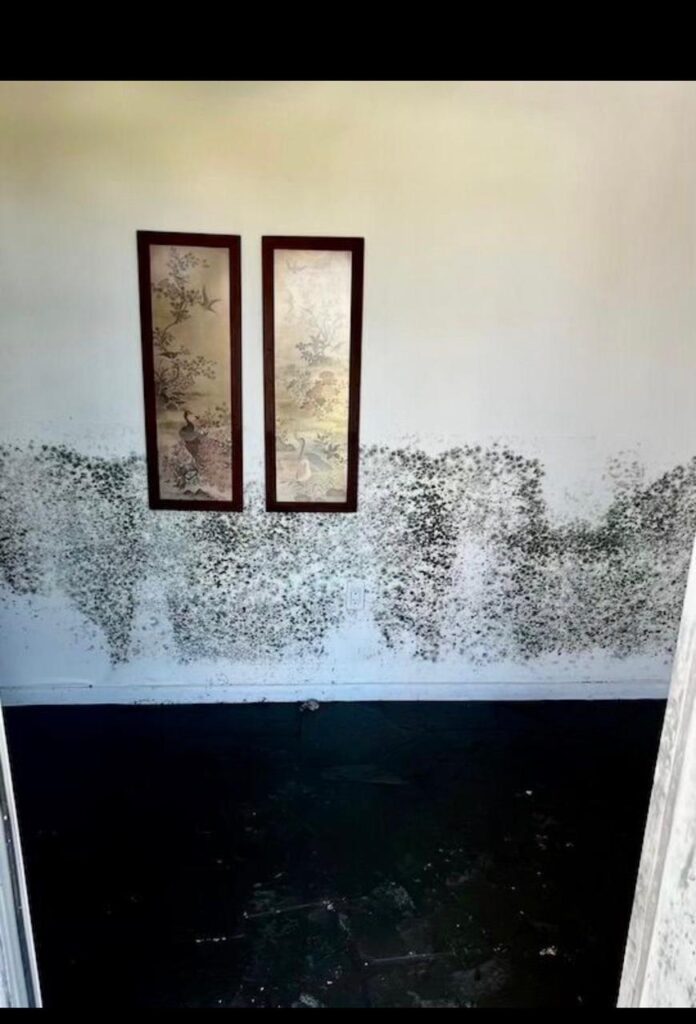
When Melbourne homeowners discover dark staining on a ceiling, wall, or vent, the first thought is usually the same:
“Is this black mold?”
It’s one of the most common calls we receive throughout Brevard County. The term alone carries a lot of anxiety. But the reality is more practical than alarming.
If you live in Melbourne, West Melbourne, Palm Bay, or anywhere along the Space Coast, understanding what black mold actually is — and what it isn’t — can help you respond calmly and correctly.
What Is “Black Mold”?
“Black mold” isn’t a formal inspection term.
It’s a phrase commonly used to describe dark-colored mold growth. Many different mold species appear black, dark green, or deep gray. One species that often gets labeled this way is Stachybotrys, but you cannot identify mold type by color alone.
Important points for Melbourne homeowners:
- Color does not confirm species.
- Not all dark mold is the same.
- Only laboratory testing can identify the exact type.
More importantly, mold growth of any kind means moisture is present.
And in Brevard County, moisture is almost always the real story.
Why Black Mold Shows Up in Melbourne Homes
Melbourne homes face consistent environmental pressure.
High Humidity Year-Round
Florida’s humidity levels remain elevated much of the year. When indoor humidity rises above 60%, mold conditions become favorable.
Frequent Summer Storms
Melbourne experiences heavy afternoon thunderstorms and hurricane exposure. Wind-driven rain can enter small roof openings, flashing gaps, or window seams.
Sometimes the leak is obvious.
Often it’s hidden.
Slab Foundations
Many homes in Melbourne and Palm Bay sit on slab foundations. During extended rainy periods, moisture can migrate upward through concrete.
Constant AC Operation
Air conditioning systems are critical in Florida. But if they are oversized, poorly maintained, or have clogged drain lines, they may cool the home without properly removing moisture.
When moisture lingers, mold develops.
Common Places Black Mold Appears
In Melbourne inspections, we frequently see dark mold growth in:
- Attics with limited ventilation
- Around AC vents
- Behind drywall after roof leaks
- Under laminate flooring
- In bathroom ceilings
- Inside air handler closets
Closets along exterior walls are especially common problem areas because air circulation is limited.
Often, homeowners notice odor before they notice visible growth.
What Does Black Mold Smell Like?
Most homeowners first detect mold by smell.
The odor is usually:
- Musty
- Damp
- Earthy
- Similar to a wet basement
In Melbourne’s humid climate, that smell may become stronger when the AC runs or after rainy weather.
A persistent musty odor should always be investigated — even if you don’t see visible mold.
Are Health Concerns Valid?
When people say “black mold,” they’re usually worried about health.
Some homeowners in Melbourne report:
- Throat irritation indoors
- Sneezing or congestion
- Headaches in certain rooms
- Increased allergy-like symptoms
Mold affects people differently. Individuals with asthma or allergies may be more sensitive to damp environments.
In general, prolonged exposure to mold and high humidity may contribute to respiratory irritation or allergy-type reactions.
That doesn’t mean every mold issue leads to severe health problems. But persistent indoor moisture should always be corrected.
If symptoms seem to improve when leaving the house, that’s a signal to evaluate indoor air conditions.
Why Visual Identification Isn’t Reliable
Dark mold does not automatically mean dangerous mold.
Two different mold species can look identical to the eye. Online images and home test kits often create confusion rather than clarity.
The only way to determine the specific mold type is through laboratory analysis of properly collected samples.
In many cases, testing is not necessary if visible growth and moisture sources are clear. The focus shifts to removal and correction.
At Brevard Mold Inspections & Removal, testing is recommended when it provides meaningful answers — not automatically.
What a Professional Mold Inspection Involves
If you’re concerned about black mold in your Melbourne home, a professional inspection typically includes:
- Thorough visual evaluation
- Moisture meter readings in walls and floors
- Attic inspection
- AC system review
- Thermal imaging if needed
If warranted, air or surface samples may be collected and sent to a certified lab.
The purpose is to determine:
- Whether mold is present
- How extensive it is
- Why it developed
Moisture is always the root cause.
Why DIY Cleaning Often Falls Short
Many homeowners attempt to clean dark mold with bleach.
While bleach may lighten staining, it does not penetrate porous materials like drywall or wood effectively. More importantly, it does not correct the underlying moisture issue.
Disturbing mold without proper containment can also spread spores into other areas.
We’ve inspected Melbourne homes where a small bathroom mold issue spread into attic insulation due to ventilation problems that weren’t addressed.
If mold extends beyond a very small surface area, professional evaluation is recommended.
What Proper Mold Remediation Looks Like
When mold is confirmed, remediation focuses on both removal and prevention.
This typically includes:
- Containment of affected areas
- Removal of contaminated drywall or insulation
- Cleaning of structural framing
- HEPA air filtration
- Correction of moisture source
In attic cases, ventilation improvements may be required. In slab homes, foundation moisture may need evaluation.
Without correcting moisture, mold can return — regardless of type.
Preventing Black Mold in Melbourne
Prevention is centered on moisture control.
Melbourne homeowners should:
- Keep indoor humidity between 45–55%
- Service AC systems annually
- Flush condensate drain lines
- Inspect roofs after storms
- Run bathroom exhaust fans consistently
- Monitor attic ventilation
Homes in nearby Rockledge, Viera, and Palm Bay face similar climate pressures, so these practices apply throughout Brevard County.
Consistency is more effective than reactive cleaning.
Why Local Experience in Brevard County Matters
Florida mold conditions are different from dry climates.
Melbourne homes deal with:
- Intense summer humidity
- Hurricane-force winds
- Slab moisture migration
- Year-round cooling systems
Local professionals understand how these factors interact with specific building styles common in Brevard County.
An inspector unfamiliar with Florida construction may overlook subtle moisture pathways that are routine here.
When to Schedule an Inspection
Consider scheduling a professional evaluation if you notice:
- Persistent musty odors
- Visible dark mold growth
- Recent storm damage
- Lifting flooring
- Elevated indoor humidity
- Ongoing indoor air concerns
You don’t need widespread mold to justify inspection. Early detection prevents larger structural repairs later.
Brevard Mold Inspections & Removal provides inspections and remediation throughout Melbourne, West Melbourne, Palm Bay, Cocoa, Merritt Island, Titusville, Rockledge, Viera, Satellite Beach, and Cape Canaveral.
If you’re concerned about black mold, focus on the real issue — moisture control.
Clear answers. Careful evaluation. Practical solutions.
In Brevard County, managing moisture is the key to preventing mold from becoming a larger problem — no matter what color it appears.