
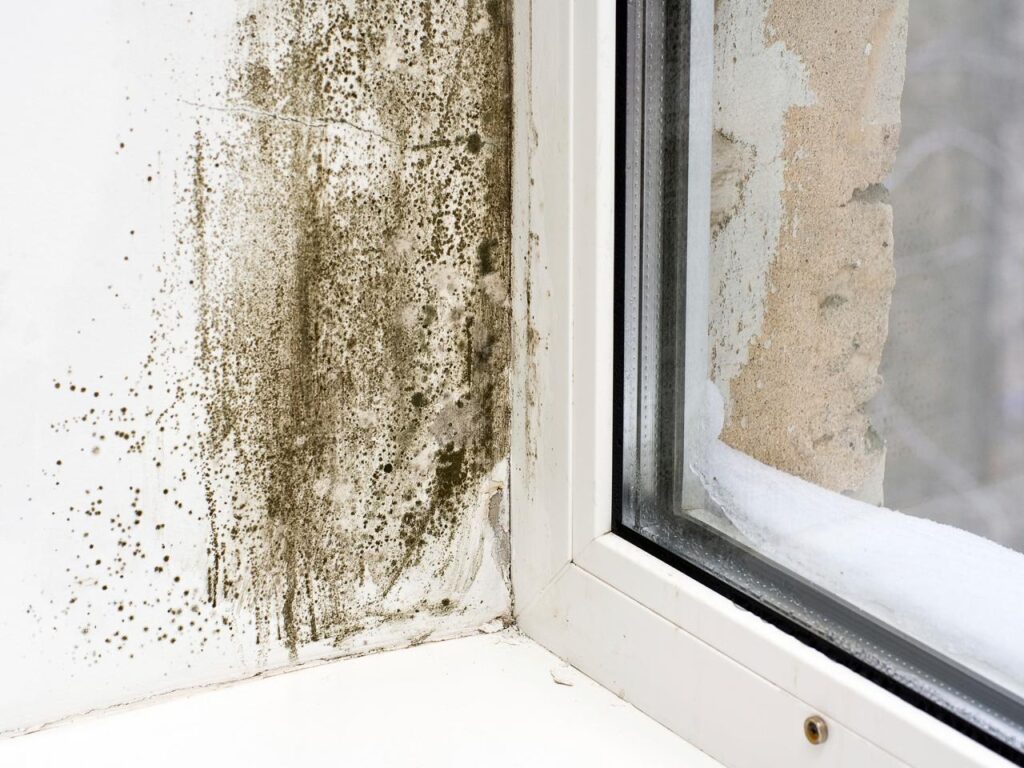
When water damage happens in Merritt Island, mold isn’t far behind.
It might start with a roof leak after a summer storm. Or a dishwasher line that quietly failed while you were at work. Sometimes it’s minor flooding from a tropical system pushing water into garages or ground-level rooms.
In Brevard County, water and humidity don’t just dry up and disappear. They linger. And when moisture lingers, mold follows.
If your Merritt Island home has experienced water damage — even if it seemed small — it’s important to understand what happens next.
Why Mold Develops So Quickly After Water Damage
Florida’s climate creates ideal conditions for mold growth.
In Merritt Island, we deal with:
- High year-round humidity
- Warm temperatures
- Coastal air
- Frequent heavy rain
- Hurricane and tropical storm activity
Mold doesn’t need standing water to grow. It needs moisture and an organic surface like drywall, wood framing, insulation, or carpet backing.
After water intrusion, mold can begin developing in as little as 24 to 48 hours — especially if materials aren’t dried thoroughly.
Even when surfaces feel dry, moisture can remain trapped inside walls or beneath flooring.
That’s where problems begin.
Common Water Damage Sources in Merritt Island Homes
Water damage in Brevard County isn’t always dramatic flooding.
We frequently see mold develop after:
Roof Leaks from Storms
Merritt Island homes take a direct hit from coastal storms. Wind-driven rain can enter through small roof vulnerabilities that aren’t immediately obvious.
AC Drain Line Backups
Air conditioning systems run nearly year-round here. When condensate lines clog, water can overflow into air handlers or wall cavities.
Slab Foundation Moisture
Many homes in Rockledge, Viera, and Merritt Island sit on slab foundations. During prolonged rain, moisture can migrate upward through concrete.
Plumbing Leaks
A slow leak behind a refrigerator or under a sink may go unnoticed for weeks.
Hurricane-Related Flooding
Even minor storm surge in Cocoa Beach or Cape Canaveral can leave behind enough moisture to support mold growth if not dried properly.
Early Signs Mold May Be Developing
After water damage, homeowners often assume everything is fine once visible water is gone.
But warning signs may appear days or weeks later:
- Musty or damp odor
- Dark staining on ceilings or walls
- Peeling paint
- Warped baseboards
- Lifting laminate flooring
- AC running constantly but home still feels humid
Closets, guest rooms, and attic spaces in Merritt Island homes are common areas where mold shows up first due to limited airflow.
If something smells “off” after a water event, it’s worth investigating.
Hidden Mold After Water Damage
The most common mold problems in Brevard County are hidden.
We regularly find mold:
- Behind drywall after roof leaks
- Under hardwood flooring after minor flooding
- In attic insulation following storm intrusion
- Inside AC ductwork
- Behind kitchen cabinets after plumbing leaks
Drywall and insulation absorb moisture quickly. If they aren’t dried within a short window, microbial growth can begin inside the material — long before it becomes visible.
That’s why simply running fans for a day or two often isn’t enough.
Why Quick Surface Drying Isn’t Always Enough
Many homeowners in Melbourne and Palm Bay rent fans or use dehumidifiers after water damage.
While that helps, it doesn’t guarantee structural drying.
Professional drying uses moisture meters to measure moisture levels inside materials — not just on the surface.
If materials remain above acceptable moisture levels, mold growth can continue quietly.
We’ve inspected homes in Titusville where water damage was addressed cosmetically — new paint, new baseboards — but moisture behind walls was never resolved.
Months later, mold odor returned.
What a Professional Mold Inspection Looks Like After Water Damage
When evaluating a Merritt Island home after water damage, the focus is on identifying:
- Remaining moisture
- Hidden mold growth
- Areas of poor ventilation
- AC system involvement
A thorough inspection typically includes:
- Visual assessment of affected areas
- Moisture meter readings in walls and floors
- Attic evaluation
- AC system inspection
- Thermal imaging if needed
If mold is suspected but not visible, air or surface samples may be collected and sent to a certified lab for analysis.
Testing isn’t always required, but when uncertainty exists, it provides clarity.
At Brevard Mold Inspections & Removal, inspections are focused on determining cause and extent — not just confirming mold presence.
What Proper Mold Remediation Involves
If mold is confirmed after water damage, remediation focuses on safe removal and moisture correction.
Proper remediation includes:
Containment
Isolating affected areas to prevent spore spread.
Moisture Source Correction
Fixing roof leaks, plumbing failures, or AC issues that caused the problem.
Removal of Contaminated Materials
In many cases, that means removing sections of drywall, insulation, or flooring.
Cleaning Structural Framing
Using appropriate methods to remove mold from wood framing.
Air Filtration
HEPA air scrubbers may be used to improve indoor air quality during remediation.
In coastal homes near Satellite Beach or Cocoa Beach, attic mold often requires ventilation correction as part of the process.
The goal isn’t just removal. It’s preventing recurrence.
Why Mold Returns After Water Damage
If mold comes back, moisture remains.
Common reasons include:
- Incomplete drying
- Missed hidden leaks
- Poor attic ventilation
- Persistent high indoor humidity
- AC systems not dehumidifying properly
Florida homes rely heavily on air conditioning for moisture control. If systems are oversized or not maintained, humidity may remain elevated even when the home feels cool.
Mold growth is a moisture problem first and foremost.
Preventing Mold After Water Damage in Brevard County
If your Merritt Island home experiences water damage, act quickly and thoroughly.
Here’s what helps:
- Begin drying immediately
- Remove wet drywall and insulation promptly if saturated
- Use professional-grade dehumidification when needed
- Monitor moisture levels, not just visible dryness
- Inspect attics after heavy storms
- Service AC systems regularly
- Keep indoor humidity between 45–55 percent
After hurricanes or major rain events, even homes without obvious flooding should be checked for roof and attic moisture.
Salt air exposure in Merritt Island and nearby coastal communities can also accelerate deterioration of seals and flashing, increasing risk of future leaks.
Why Local Experience in Brevard County Matters
Water damage and mold in Florida behave differently than in dry climates.
Homes in Merritt Island face unique conditions:
- Coastal moisture
- Frequent storm exposure
- Slab foundations
- Year-round AC use
- High attic heat
Local professionals understand how these factors interact.
An inspector unfamiliar with Brevard County construction styles may miss subtle moisture patterns that are common here.
That’s why working with a company that understands local building practices and weather patterns makes a difference.
When to Schedule an Inspection
You should consider a professional evaluation if:
- Your home recently experienced water damage
- You notice a musty odor after a leak
- Visible staining appears days or weeks later
- Flooring begins lifting
- Indoor humidity feels consistently high
Even small leaks can lead to larger problems if left unchecked.
Brevard Mold Inspections & Removal provides mold inspections and remediation throughout Merritt Island, Melbourne, Palm Bay, Rockledge, Viera, Titusville, Cocoa, Satellite Beach, and Cape Canaveral.
The focus is simple: identify moisture accurately, address it properly, and protect your home from long-term damage.
Because in Brevard County, managing water quickly and correctly is the key to preventing mold from taking hold.