
Hidden Mold Problems in Cocoa Beach: What Homeowners in Brevard County Should Know
If you live in Cocoa Beach, you already know moisture is part of daily life.
Salt air, ocean humidity, afternoon storms, and hurricane season all come with the territory. But what many homeowners don’t realize is how easily that moisture can turn into hidden mold problems — especially in coastal Brevard County homes.
The tricky part? Hidden mold rarely announces itself.
It doesn’t always show up as black patches on walls. Often, it grows quietly behind drywall, under flooring, or inside HVAC systems long before you see visible signs.
If you own a home or condo in Cocoa Beach, here’s what you should understand about hidden mold and why early inspection matters.
Why Hidden Mold Is So Common in Cocoa Beach
Cocoa Beach is uniquely exposed to moisture.
Between ocean air and heavy summer rains, homes here absorb more humidity than inland areas like Viera or even parts of Melbourne.
Mold needs three basic conditions:
- Moisture
- Organic material (like drywall or wood)
- Time
In coastal Brevard County homes, those conditions are easy to meet.
Salt Air and Coastal Humidity
Ocean air carries moisture inland. Even when windows are closed, humidity levels can stay elevated indoors if ventilation isn’t adequate.
Wind-Driven Rain
Storms in Cocoa Beach often push rain sideways. Small cracks around windows, sliding glass doors, or roof flashing can allow water intrusion that goes unnoticed.
Condos and Shared Walls
Many Cocoa Beach properties are condominiums or townhomes. Shared walls and plumbing systems can allow moisture problems in one unit to affect another.
Constant Air Conditioning
HVAC systems in Brevard County run most of the year. Condensation inside air handlers and ductwork creates another potential moisture source.
All of these factors make hidden mold a common concern here.
What “Hidden Mold” Actually Means
Hidden mold refers to growth that is not immediately visible on interior surfaces.
Instead of appearing on painted drywall, it may be:
- Inside wall cavities
- Behind cabinets
- Beneath laminate or tile flooring
- Under bathroom vanities
- Inside attic insulation
- Within HVAC systems
In Cocoa Beach homes, we frequently find mold behind areas that look perfectly normal from the outside.
That’s why inspections focus on moisture detection, not just visible spotting.
Common Signs of Hidden Mold
Even when mold isn’t visible, your home may give subtle clues.
Persistent Musty Odor
One of the most common complaints in Cocoa Beach properties is a damp, earthy smell — especially in closets or guest rooms.
Soft or Warped Flooring
In slab homes or ground-floor condos, moisture can seep upward and affect flooring materials.
Ceiling Discoloration
A small yellow or brown stain may signal a slow roof leak.
Peeling Paint or Bubbling Walls
Moisture trapped behind drywall often causes finishes to fail.
AC Odor When It Starts
If your HVAC system smells musty when turning on, growth may be inside the system or ductwork.
You don’t need dramatic visual evidence to justify an inspection. Subtle changes often matter most.
The Most Common Hidden Mold Locations in Cocoa Beach Homes
In coastal Brevard County properties, certain areas repeatedly show up during inspections.
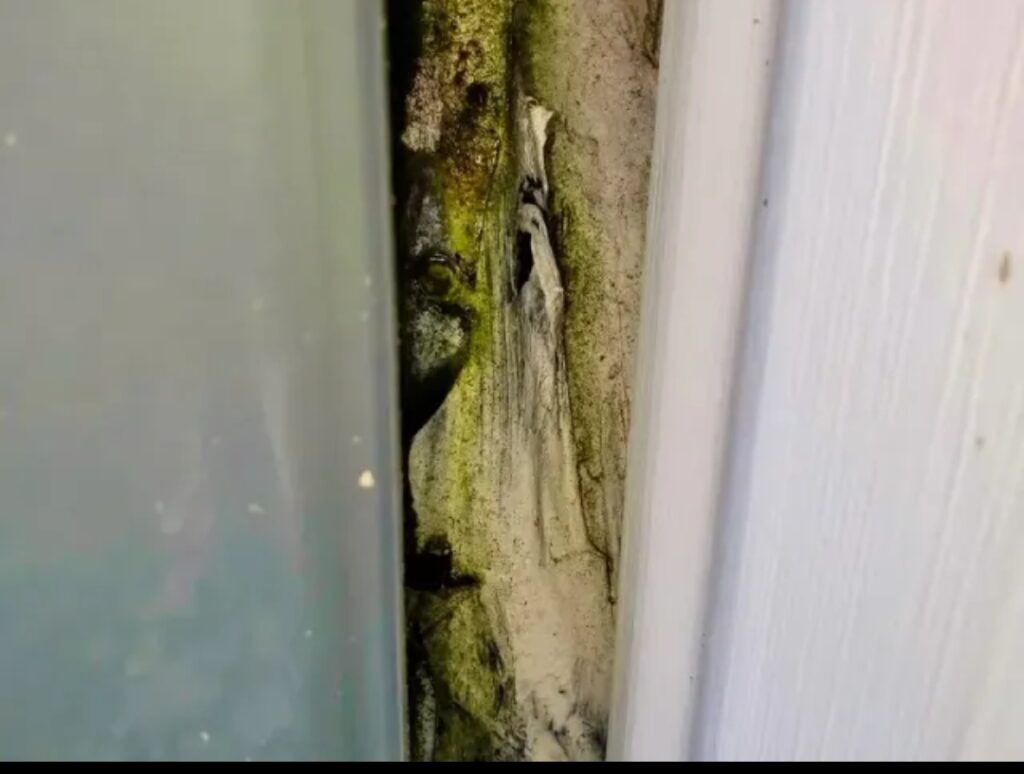
Behind Sliding Glass Doors
Salt air and wind-driven rain can cause slow moisture intrusion around seals.
Under Kitchen and Bathroom Cabinets
Small plumbing leaks can remain unnoticed for months.
Attics
Attic mold is common in Cocoa Beach due to humidity and ventilation challenges. We often find growth on roof decking during inspections.
Under Tile Flooring
Tile may look fine on top while moisture accumulates underneath.
Inside HVAC Systems
Condensation around evaporator coils and drain pans makes HVAC systems a common source of hidden mold.
Homes in nearby Cape Canaveral and Satellite Beach experience similar patterns due to coastal exposure.
Why Ignoring Hidden Mold Leads to Larger Repairs
Hidden mold problems don’t usually stay small.
As long as moisture is present, growth continues slowly over time.
That can lead to:
- Structural material damage
- Warped cabinetry
- Compromised drywall
- Insulation deterioration
- Increased repair costs
We’ve inspected homes in Rockledge and Palm Bay where early intervention would have significantly reduced repair scope.
Moisture problems don’t resolve on their own.
Why DIY Checks Often Miss the Problem
Home mold test kits are widely available. While they can detect airborne spores, they rarely pinpoint the source.
Mold spores exist naturally in indoor air. The important questions are:
- Is there active growth?
- Where is the moisture coming from?
- Is the contamination localized or widespread?
Without moisture detection tools, hidden mold often remains undiscovered.
Surface cleaning also doesn’t address growth inside wall cavities or under flooring.
What a Professional Mold Inspection Looks Like
A proper inspection in Cocoa Beach focuses on identifying both visible and hidden issues.
At Brevard Mold Inspections & Removal, inspections typically include:
Detailed Visual Assessment
We examine:
- Attics
- Around windows and doors
- Plumbing areas
- HVAC systems
- Flooring transitions
- Cabinet bases
Moisture Detection
Using moisture meters and sometimes thermal imaging, we check behind walls and under flooring for hidden dampness.
Humidity Measurement
Indoor humidity levels are evaluated to determine whether environmental conditions are contributing.
Air and Surface Sampling (When Necessary)
If indoor air quality concerns exist, samples may be sent to a certified laboratory for analysis.
The goal is clarity — not alarm.
What Happens If Hidden Mold Is Found
Finding mold doesn’t automatically mean extensive demolition.
Next steps depend on:
- Size of the affected area
- Type of materials involved
- Source of moisture
- Indoor air impact
Proper remediation usually includes:
- Isolating affected areas
- Correcting moisture sources
- Removing damaged materials when necessary
- HEPA filtration to capture airborne spores
- Cleaning and preventive measures
Addressing the moisture source is always the most important part.
Preventing Hidden Mold in Cocoa Beach Homes
While you can’t control coastal humidity, you can reduce risk.
Keep Indoor Humidity Below 60%
Dehumidifiers may be helpful, especially during peak summer months.
Maintain HVAC Systems
Clear drain lines, change filters regularly, and schedule annual service.
Inspect After Storms
After heavy rain or hurricanes, check ceilings, attic spaces, and around windows.
Seal Windows and Doors Properly
Coastal exposure requires periodic inspection of seals and flashing.
Repair Leaks Promptly
Even small plumbing drips can lead to hidden growth over time.
Homes in Merritt Island, Titusville, and Melbourne face similar climate challenges — but coastal homes often need extra vigilance.
Why Local Experience in Brevard County Matters
Cocoa Beach properties experience different moisture patterns than inland homes.
An inspector familiar with Brevard County understands:
- Coastal wind-driven rain
- Salt air exposure
- Condo construction challenges
- Slab foundation behavior
- Attic ventilation in Florida heat
At Brevard Mold Inspections & Removal, inspections are performed with these local conditions in mind. What works in a dry climate doesn’t apply here.
Understanding regional building styles and environmental stressors helps identify root causes faster.
When to Schedule a Mold Inspection
Consider scheduling an inspection if:
- You notice persistent musty odors
- You’ve experienced recent water intrusion
- You’re buying or selling a coastal property
- Flooring or walls feel damp
- Your HVAC system has drainage issues
- A recent storm impacted your roof or windows
Early evaluation often keeps issues manageable.
A Calm, Practical Next Step
Hidden mold problems in Cocoa Beach don’t require panic. They require accurate information.
If you’re in Cocoa Beach or anywhere in Brevard County — including Melbourne, Palm Bay, Rockledge, Merritt Island, Titusville, Satellite Beach, Viera, or Cape Canaveral — and you suspect a hidden moisture issue, a professional inspection can provide clarity.
Brevard Mold Inspections & Removal offers careful, pressure-free evaluations focused on identifying moisture sources and explaining findings clearly.
Understanding what’s happening inside your home is the first step toward protecting it long-term.