
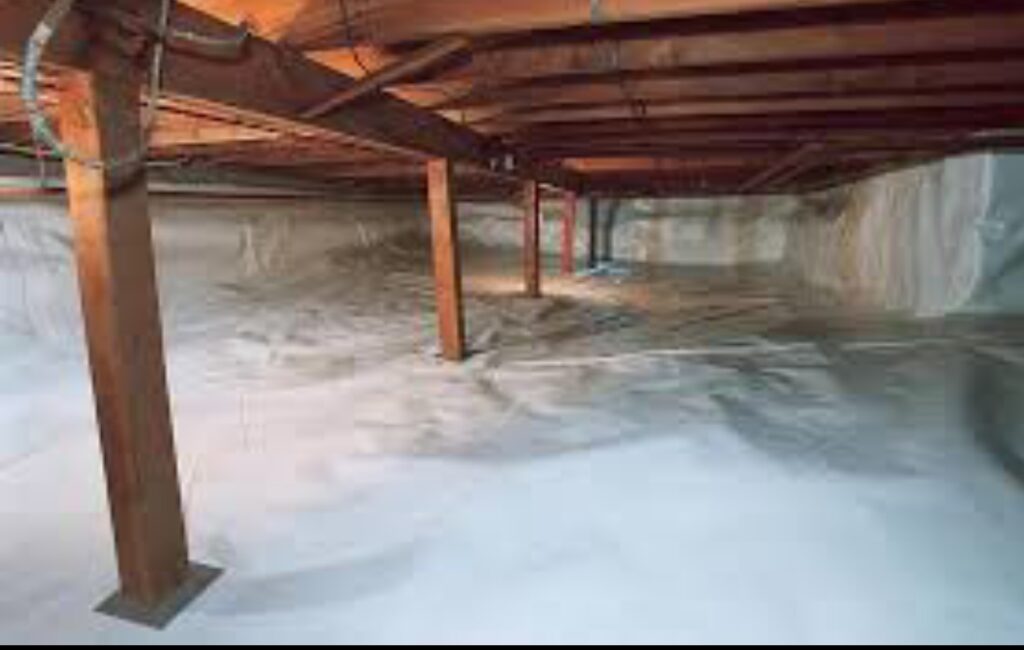
Mold in Crawl Spaces in : What Homeowners in Should Know
Crawl space mold is one of the most hidden and misunderstood mold problems in Satellite Beach homes. Because crawl spaces aren’t part of daily living areas, mold can grow undisturbed for years—slowly affecting indoor air quality, structural materials, and even energy efficiency.
In coastal areas like Satellite Beach, crawl spaces face constant moisture pressure from humid air, high groundwater levels, and salt-laden breezes. That combination makes mold problems far more common than many homeowners realize.
Why crawl spaces in Satellite Beach are high-risk
Satellite Beach’s location near the ocean creates unique conditions beneath homes:
- High year-round humidity
- Moist soil beneath foundations
- Limited airflow under raised structures
- Warm temperatures that rarely drop enough to dry materials
Crawl spaces naturally collect moisture. Without proper protection, that moisture feeds mold growth continuously.
Common sources of crawl space moisture
Most crawl space mold problems don’t start with flooding. Instead, they develop slowly from everyday conditions like:
Ground moisture
Bare soil releases moisture into the crawl space. Without a vapor barrier, that moisture rises directly into wood framing and insulation.
Poor ventilation design
Older vented crawl spaces often allow humid outdoor air inside. When that warm air hits cooler surfaces, condensation forms.
Plumbing leaks
Slow leaks from drain lines or supply pipes can go unnoticed beneath the home, keeping materials damp for long periods.
Drainage issues around the home
Improper grading or clogged gutters allow water to pool near the foundation and seep underneath.
AC and ductwork condensation
Cold ducts in humid crawl spaces often sweat, dripping moisture onto insulation and wood.
Where mold typically grows in crawl spaces
Mold rarely spreads evenly. In Satellite Beach crawl spaces, it’s most often found on:
- Wooden floor joists and beams
- Subflooring beneath bathrooms and kitchens
- Insulation facing
- Duct insulation
- Support posts and sill plates
Because these areas are out of sight, mold growth often becomes advanced before it’s discovered.
Signs crawl space mold may be affecting your home
Even though the mold is underneath the house, homeowners often notice symptoms indoors, such as:
- Persistent musty odors
- Allergy or asthma symptoms indoors
- Warped floors or cupping hardwood
- Higher indoor humidity levels
- Difficulty keeping the home comfortable
Air from the crawl space naturally moves upward into the living space, carrying moisture and spores with it.
Why crawl space mold spreads to living areas
Many homeowners assume crawl space mold stays contained below the house. In reality:
- Stack effect pulls air upward
- HVAC systems circulate spores
- Gaps around plumbing and wiring allow airflow
Over time, crawl space mold can directly affect indoor air quality throughout the home.
Is crawl space mold dangerous?
Not all crawl space mold is classified as toxic, but any indoor mold exposure is a concern. Long-term exposure may contribute to:
- Chronic sinus issues
- Respiratory irritation
- Fatigue and headaches
- Worsening asthma symptoms
Children, seniors, and those with weakened immune systems are especially vulnerable.
Why DIY crawl space cleaning usually fails
Crawl spaces are not DIY-friendly environments. Homeowners often face:
- Limited access and poor visibility
- Unsafe conditions (low clearance, pests, moisture)
- Inadequate protective equipment
- Incomplete removal of contaminated materials
Cleaning visible mold without addressing moisture almost guarantees regrowth.
When to schedule a crawl space mold inspection
Satellite Beach homeowners should consider an inspection if:
- There’s a musty odor in the home
- Floors feel damp or uneven
- The home has a history of moisture issues
- Mold keeps returning in other areas
- The property is being bought or sold
A proper inspection focuses on moisture sources, airflow, and structural impact—not just surface mold.
How crawl space mold problems are properly addressed
Effective solutions often include:
- Installing or repairing vapor barriers
- Improving drainage around the foundation
- Sealing air leaks between crawl space and living areas
- Correcting plumbing or HVAC moisture issues
- Safely removing contaminated materials
Long-term control is about moisture management, not just cleaning.
Final takeaway for Satellite Beach homeowners
Crawl space mold is easy to ignore—but it has a direct impact on the health, comfort, and durability of your home. In Satellite Beach’s coastal climate, controlling moisture beneath the house is one of the most important steps homeowners can take to prevent mold problems from spreading upward.