
Mold and Insurance Claims in : What Homeowners in Should Know
Mold and insurance claims can be confusing for Cape Canaveral homeowners. Many people assume mold damage is automatically covered, while others believe insurance never pays for mold at all. The truth sits somewhere in the middle—and understanding the details can make a big difference when filing a claim.
In coastal areas like Cape Canaveral, mold problems are often tied to storms, plumbing failures, or AC issues. Whether insurance helps depends on how the mold started, how quickly it was addressed, and what the policy actually says.
Why mold claims are common in Cape Canaveral
Cape Canaveral homes face higher mold risk because of:
- Hurricanes and tropical storms
- Wind-driven rain entering roofs and walls
- Power outages that shut down AC systems
- High coastal humidity year-round
Mold often appears days or weeks after the original damage, which is where insurance questions begin.
When mold damage is usually covered by insurance
Most homeowners insurance policies may cover mold only if it results from a sudden, covered event, such as:
- Burst plumbing pipes
- Storm-related roof damage
- Appliance failures (like a washing machine hose)
- Accidental water discharge
In these cases, mold is considered a secondary damage tied to the original covered loss.
When mold is typically NOT covered
Insurance companies often deny mold claims when mold results from:
- Long-term leaks
- Ongoing humidity problems
- Poor maintenance
- Wear and tear
- Failure to address water damage promptly
If the insurer determines the problem developed slowly, coverage is usually denied.
Why timing matters so much
One of the biggest factors in mold insurance claims is response time. Homeowners are expected to:
- Stop the source of water immediately
- Dry affected areas quickly
- Prevent further damage
Delays—even unintentional ones—can give insurers a reason to deny or reduce coverage.
Documentation makes or breaks a claim
Strong mold-related insurance claims usually include:
- Photos of the initial water damage
- Dates showing when the damage occurred
- Records of repairs or mitigation
- Professional inspection reports
- Moisture or mold test results
The more documentation you have, the clearer the connection between the event and the mold.
Hurricane-related mold claims
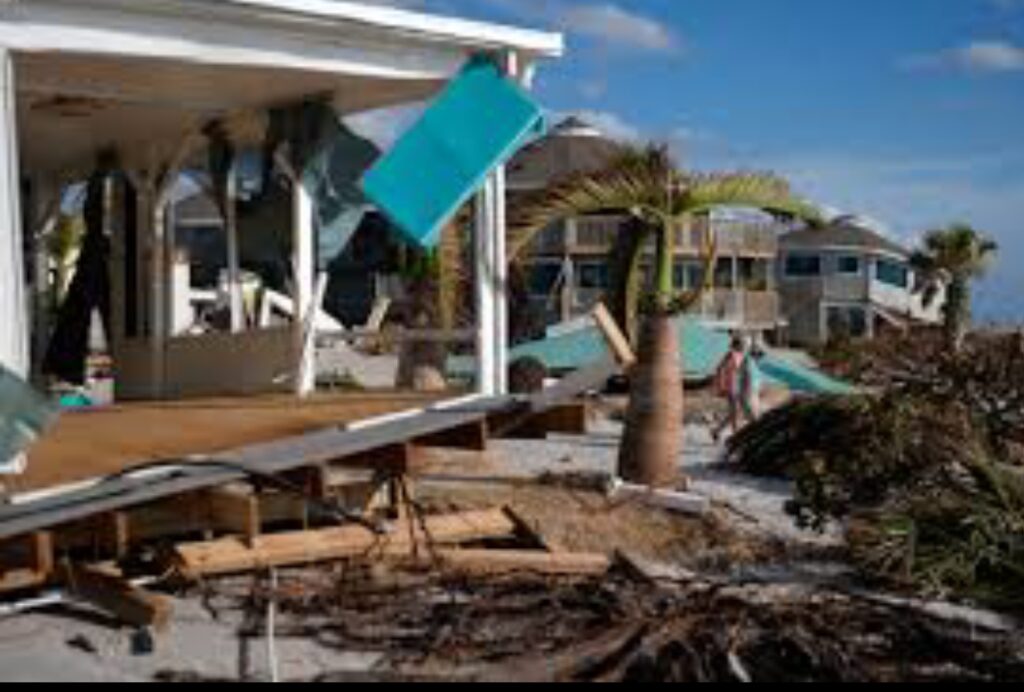
After hurricanes, mold claims become more complicated. Insurance may cover mold if:
- The storm caused direct water intrusion
- The home was properly secured afterward
- The damage was reported promptly
However, mold caused by delayed drying, open windows, or extended power loss without mitigation may be challenged.
Why insurers often request mold inspections
Insurance companies commonly ask for professional mold inspections to:
- Confirm the extent of damage
- Determine the source of moisture
- Verify whether mold is related to a covered loss
- Assess whether the issue is ongoing
Inspections help establish facts—not opinions.
What homeowners should NOT do
To protect a potential claim, homeowners should avoid:
- Cleaning large mold areas themselves
- Disposing of damaged materials before documentation
- Waiting weeks to report damage
- Turning off AC for long periods in humid conditions
These actions can weaken a claim significantly.
How mold claims impact future insurance
Repeated mold claims can:
- Increase premiums
- Lead to policy exclusions
- Trigger non-renewals
That’s why it’s important to address mold properly the first time and correct the underlying moisture issue.
When to seek professional help
Cape Canaveral homeowners should consider professional assistance when:
- Mold follows storm or water damage
- Insurance requests documentation
- The cause of mold is unclear
- Health concerns are involved
Clear reporting protects both the homeowner and the claim.
Final takeaway for Cape Canaveral homeowners
Mold and insurance claims aren’t automatic—and they’re not impossible either. Coverage depends on cause, timing, and documentation. In Cape Canaveral’s storm-prone environment, acting fast and understanding your policy can mean the difference between a denied claim and proper coverage.