
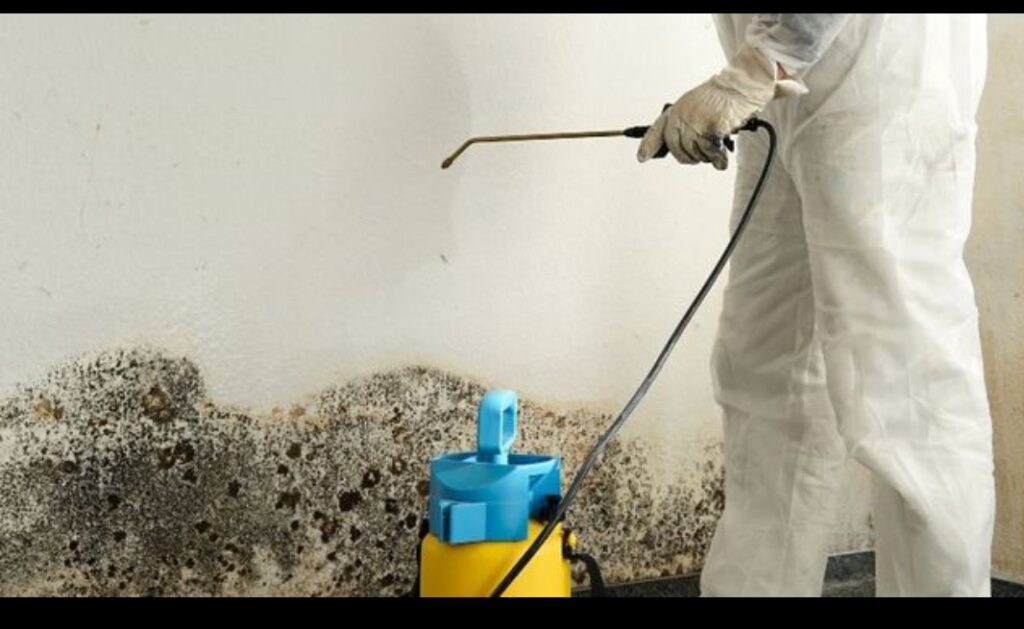
DIY Mold Risks in : What Homeowners in Should Know
DIY mold cleanup is one of the most common mistakes homeowners make in West Melbourne. While it’s tempting to grab bleach or vinegar and try to handle mold yourself, many DIY efforts end up making the problem worse—not better.
In Brevard County’s humid climate, mold isn’t just a surface issue. It’s usually a moisture problem, and cleaning what you can see often leaves the real cause untouched.
Why DIY mold cleanup is so common
Homeowners often try DIY mold removal because:
- The mold looks small or manageable
- Online advice makes it seem simple
- Professional services feel unnecessary at first
- Mold returns after cleaning, creating frustration
Unfortunately, mold problems in West Melbourne homes are rarely as simple as they appear.
What DIY mold cleaning usually misses
Most DIY methods focus only on what’s visible. They often fail to address:
- Moisture inside walls or ceilings
- Mold growing behind baseboards
- Contaminated insulation
- Mold inside HVAC systems
When moisture remains, mold almost always comes back.
The problem with bleach and store-bought cleaners
Bleach is commonly used, but it has major limitations:
- It doesn’t penetrate porous materials like drywall or wood
- It can add moisture, feeding mold roots
- It may lighten stains without removing growth
This creates a false sense of success while mold continues spreading beneath the surface.
How DIY cleaning spreads mold spores
Scrubbing, spraying, or disturbing mold can:
- Release spores into the air
- Spread contamination to other rooms
- Allow spores to enter ductwork
- Increase indoor air exposure
Without containment or filtration, DIY cleanup often spreads mold instead of removing it.
Health risks homeowners underestimate
DIY mold exposure can trigger:
- Respiratory irritation
- Asthma flare-ups
- Sinus congestion
- Headaches and fatigue
People with allergies, asthma, or weakened immune systems are especially at risk.
Structural risks of improper cleanup
Beyond health concerns, DIY mold work can:
- Damage drywall and wood framing
- Weaken building materials
- Mask deeper structural issues
- Increase long-term repair costs
Covering mold with paint or sealants without remediation almost guarantees regrowth.
When DIY may be acceptable (and when it’s not)
DIY cleanup may be reasonable only when:
- Mold is very small and on non-porous surfaces
- There is no underlying moisture issue
- Proper protective gear is used
DIY is not appropriate when:
- Mold covers large areas
- Water damage is involved
- Mold returns after cleaning
- Mold is in attics, crawl spaces, or HVAC systems
Why professional remediation works differently
Professional approaches focus on:
- Finding and fixing moisture sources
- Containing affected areas
- Using proper filtration
- Removing contaminated materials safely
- Preventing regrowth
This process addresses the cause—not just the symptom.
When West Melbourne homeowners should stop DIY attempts
It’s time to stop DIY and seek professional help if:
- Mold keeps returning
- Odors persist after cleaning
- Health symptoms appear
- The mold area continues expanding
Delaying proper remediation often leads to higher costs later.
Final takeaway for West Melbourne homeowners
DIY mold cleanup may seem cost-effective, but in West Melbourne’s humid environment, it often causes more harm than good. Mold problems require understanding moisture movement, air flow, and building materials—things surface cleaning can’t fix.
Addressing mold correctly the first time protects your home, your health, and your wallet.