
Got it 👍
We’ll continue one by one, same format, same quality.
Here’s Article #1 from your new list, fully written and ready.
Mold Removal in : What Homeowners in Should Know
Mold removal is a common concern for Rockledge homeowners, especially in a climate where humidity, rain, and heavy AC use are part of everyday life. Many people first notice mold as a dark spot on a wall or ceiling, but by the time it’s visible, the problem is often more extensive than it appears.
Understanding how mold removal actually works—and what it does not do—can help homeowners avoid repeated mold issues and unnecessary costs.
Why mold problems are common in Rockledge homes
Rockledge homes face several mold-friendly conditions:
- Long humid seasons
- Frequent summer storms
- Older plumbing and roofing systems in some neighborhoods
- AC systems running most of the year
Mold doesn’t require flooding. Small leaks, condensation, or humidity trapped indoors are often enough.
Mold removal vs. mold remediation: what’s the difference?
This is one of the most misunderstood topics.
Mold removal focuses on:
- Removing visible mold growth
- Cleaning affected surfaces
- Disposing of contaminated materials
Mold remediation goes further by:
- Identifying moisture sources
- Fixing underlying problems
- Preventing mold from returning
Removal without remediation often leads to regrowth.
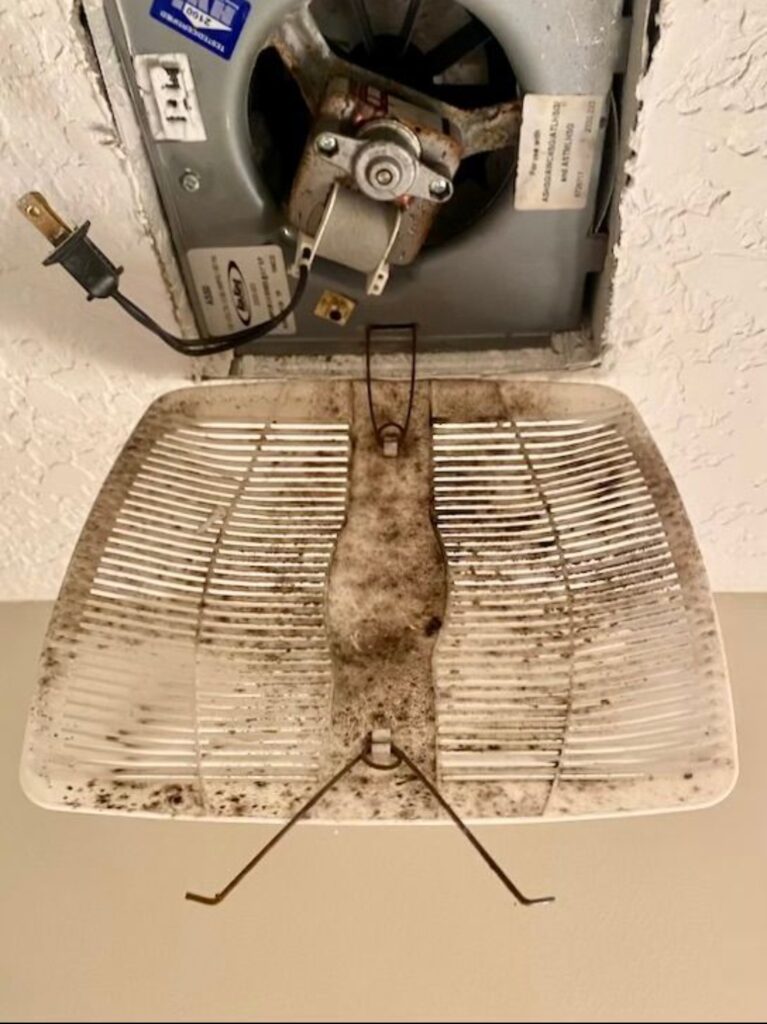
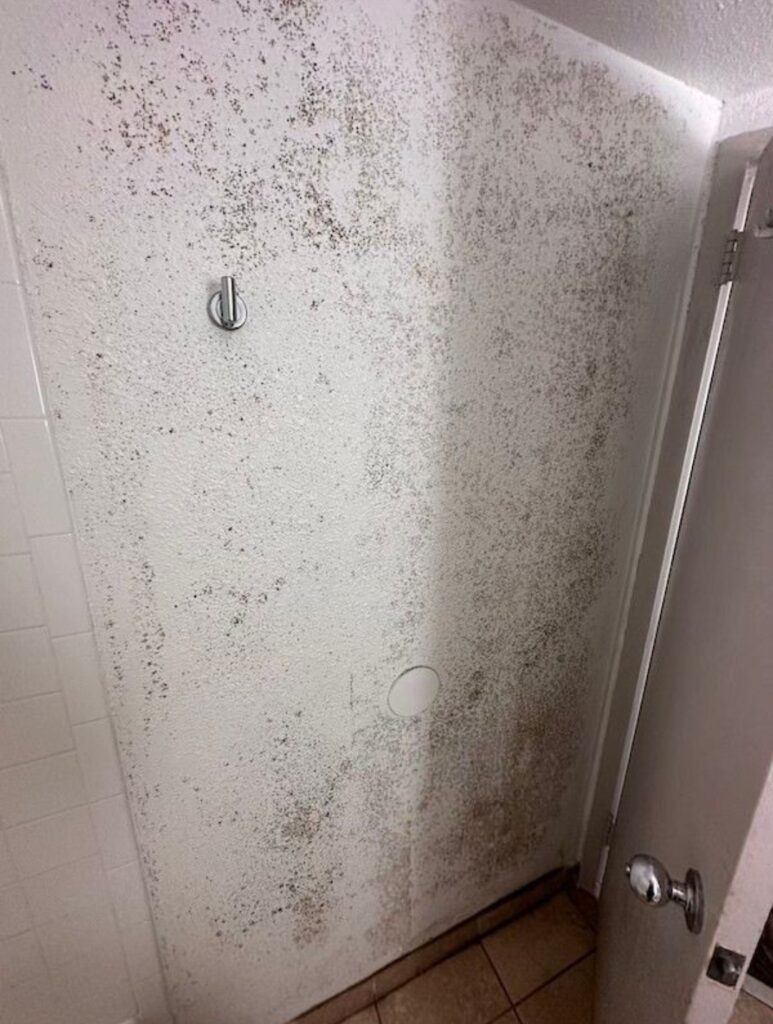
Where mold is commonly found in Rockledge homes
Local inspections frequently uncover mold in:
- Bathrooms and laundry rooms
- AC closets and air handlers
- Behind drywall after plumbing leaks
- Attics with ventilation issues
- Around windows and doors
These areas experience repeated moisture exposure.
Why surface cleaning is usually not enough
Homeowners often try to clean mold themselves before calling for help. The problem is that mold:
- Grows into porous materials like drywall and wood
- Can exist behind walls where it’s not visible
- Releases spores when disturbed
Cleaning only what you can see often leaves the real problem untouched.
When professional mold removal is necessary
Professional removal is recommended when:
- Mold covers large areas
- Mold keeps coming back
- There has been water damage
- Mold is inside walls, attics, or HVAC systems
- Health symptoms are present
These situations require proper containment and moisture control.
How proper mold removal is handled
Effective mold removal typically includes:
- Isolating affected areas
- Using filtration to control spores
- Removing contaminated materials safely
- Cleaning remaining surfaces thoroughly
- Addressing moisture sources
Skipping steps increases the risk of regrowth.
Health concerns tied to mold exposure
Even non-toxic mold can cause:
- Allergies and sinus irritation
- Coughing and wheezing
- Headaches and fatigue
- Asthma flare-ups
Children, seniors, and those with respiratory conditions are more vulnerable.
Why delays increase costs
Waiting to address mold allows it to:
- Spread to additional materials
- Damage structural components
- Increase removal and repair costs
- Affect indoor air quality
Early action is almost always less expensive.
Final takeaway for Rockledge homeowners
Mold removal is not just about cleaning stains—it’s about stopping the conditions that allow mold to grow. In Rockledge homes, moisture control and proper removal methods are essential to keeping mold from returning.
Addressing the problem correctly the first time protects both your home and your health.