
A
Black Mold in : What Homeowners in Should Know
Black mold is one of the most alarming things a homeowner can discover, and in Satellite Beach, concerns are especially common due to constant humidity and coastal moisture. While the term “black mold” often causes fear, understanding what it really is—and how it behaves—helps homeowners respond correctly instead of panicking or delaying action.
What people mean by “black mold”
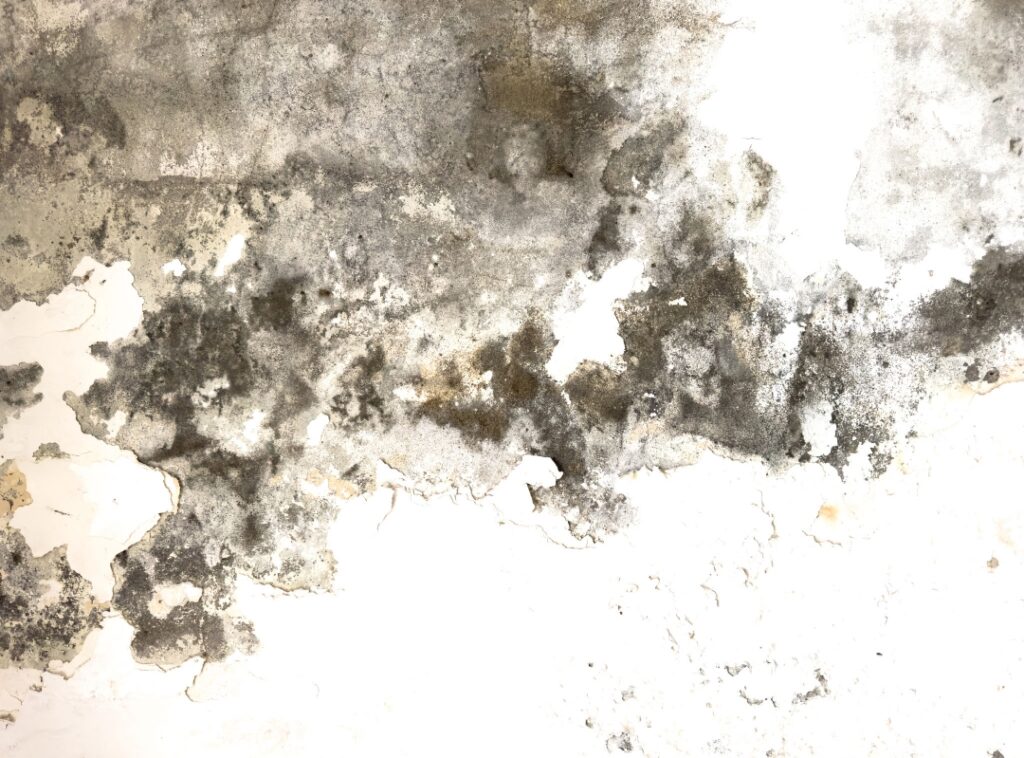
Most homeowners use the term black mold to describe dark-colored mold growth. In some cases, this may include , a mold species that can grow on very damp, cellulose-based materials like drywall or insulation.
However, not all black-looking mold is toxic, and not all toxic mold is black. The conditions causing mold growth matter more than the color.
Why Satellite Beach homes are vulnerable
Satellite Beach homes face unique mold pressures:
- Salt air increases moisture retention
- High humidity year-round
- Wind-driven rain during storms
- Constant AC use creating condensation
Even small moisture issues can support aggressive mold growth in coastal environments.
Where black mold is commonly found
In Satellite Beach homes, dark mold growth is often discovered:
- In bathrooms with limited ventilation
- Behind drywall after roof or window leaks
- Inside AC closets and air handlers
- Around window frames and sliding doors
- Under sinks or behind cabinets
Hidden locations allow mold to spread before it’s noticed.
Health concerns linked to black mold exposure
Exposure to mold—especially in enclosed indoor environments—may contribute to:
- Chronic coughing or wheezing
- Sinus congestion and throat irritation
- Headaches and fatigue
- Asthma flare-ups
Symptoms often worsen indoors and improve when leaving the home.
Why black mold is often missed at first
Many cases go unnoticed because:
- Mold grows behind walls or furniture
- Odors are mistaken for “coastal smells”
- Symptoms are blamed on allergies
- Visible growth appears late
By the time black mold is visible, moisture has usually been present for a while.
Why DIY cleaning is risky with black mold
Attempting to clean suspected black mold yourself can:
- Release large amounts of spores
- Spread contamination to other rooms
- Increase health exposure
- Leave hidden growth untouched
Scrubbing without containment often makes the problem worse.
When professional testing or inspection is needed
Homeowners should seek professional help when:
- Mold covers a large area
- Mold keeps returning after cleaning
- There has been water damage or storms
- Health symptoms are present
- Mold is inside walls or HVAC systems
Testing helps identify the type of mold and guide proper remediation.
How black mold problems are properly handled
Effective remediation usually includes:
- Identifying and correcting moisture sources
- Containing affected areas
- Removing contaminated materials
- Cleaning remaining surfaces
- Preventing future moisture buildup
Color alone doesn’t guide treatment—the source of moisture does.
Final takeaway for Satellite Beach homeowners
Black mold is serious, but it doesn’t have to be mysterious or overwhelming. In Satellite Beach’s coastal climate, mold problems are usually tied to moisture control—not poor housekeeping. Addressing the cause early helps protect indoor air quality and prevents long-term damage.