
Toxic Mold in : What Homeowners in Should Know
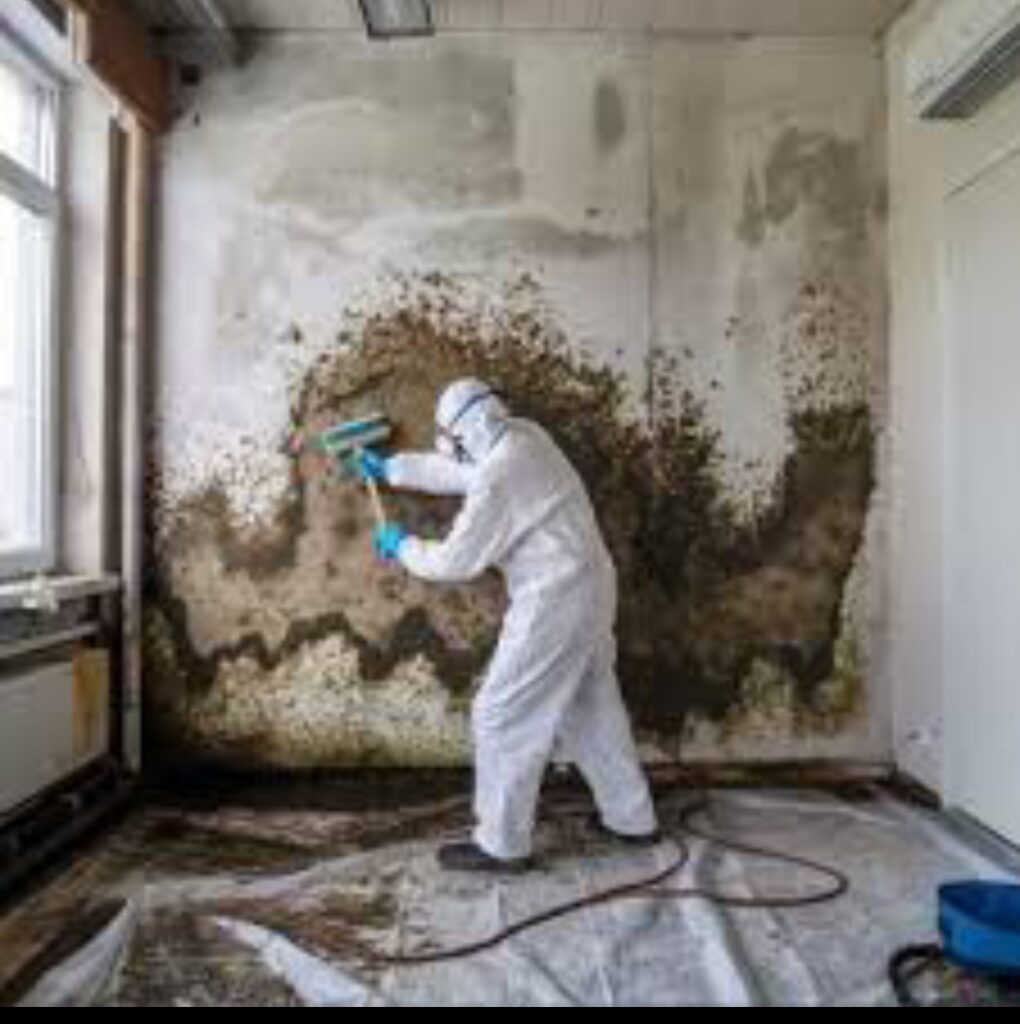
The phrase “toxic mold” immediately raises concern for homeowners in Indian Harbour Beach—and for good reason. While not all mold is toxic, certain molds can produce compounds that may impact indoor air quality and health when exposure is prolonged.
In coastal areas like Indian Harbour Beach, constant humidity, salt air, and frequent storms create conditions where toxic mold is more likely to develop if moisture problems go unnoticed.
What homeowners mean by “toxic mold”
Most people use the term toxic mold to describe mold that may produce mycotoxins—byproducts that can cause stronger reactions in some individuals. These molds typically grow on materials that stay damp for long periods, such as:
- Drywall
- Wood framing
- Insulation
- Carpet backing
The key factor isn’t the mold type alone—it’s long-term moisture exposure indoors.
Why Indian Harbour Beach homes are at higher risk
Homes in Indian Harbour Beach face several unique challenges:
- Constant coastal humidity
- Salt air that accelerates building wear
- Wind-driven rain during storms
- AC systems running most of the year
Even small leaks or condensation issues can support mold growth over time.
Common places toxic mold is found
In local inspections, mold with higher risk potential is often discovered:
- Behind bathroom or kitchen walls
- Inside AC closets and ductwork
- Under sinks and cabinets
- Around windows and sliding doors
- In attics or crawl spaces
These areas stay dark, damp, and undisturbed—ideal conditions for mold.
Health symptoms homeowners report
Not everyone reacts the same way to mold, but prolonged exposure may be linked to:
- Chronic coughing or wheezing
- Sinus and throat irritation
- Persistent headaches
- Fatigue or difficulty concentrating
- Asthma or allergy flare-ups
Symptoms often improve when people leave the home for extended periods.
Why toxic mold often goes unnoticed
Many homeowners don’t realize there’s a problem because:
- Mold is hidden behind walls or furniture
- Musty odors are mistaken for “coastal air”
- Symptoms develop slowly
- Visible growth appears late
By the time mold is discovered, moisture may have been present for months.
Why DIY cleanup is especially risky
DIY cleaning is not recommended when toxic mold is suspected. Improper handling can:
- Release large amounts of spores
- Increase exposure risk
- Spread contamination to other rooms
- Leave hidden growth untouched
Surface cleaning does not remove mold embedded in porous materials.
When professional inspection or testing is needed
Homeowners should seek professional help if:
- Mold covers a large area
- Mold returns after cleaning
- There has been water damage or flooding
- Health symptoms are present
- Mold is suspected behind walls or in HVAC systems
Professional inspections focus on both mold presence and moisture sources.
How toxic mold problems are properly addressed
Effective remediation typically includes:
- Identifying and correcting moisture problems
- Containing affected areas
- Removing contaminated materials
- Cleaning and treating remaining surfaces
- Preventing future moisture buildup
The goal is long-term control—not temporary cleanup.
Final takeaway for Indian Harbour Beach homeowners
Toxic mold is a serious issue, but it’s rarely random. In Indian Harbour Beach homes, it almost always develops because moisture problems go unresolved. Early inspection, proper remediation, and humidity control are the most effective ways to protect your home and health.