
Mold Prevention in : What Homeowners in Should Know
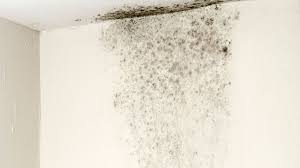
Mold prevention is one of the smartest investments homeowners in West Melbourne can make. In Brevard County’s warm, humid climate, mold doesn’t need a flood or major leak to grow. Small moisture issues, poor airflow, and everyday humidity are often enough to start the problem.
The good news is that most mold problems are preventable when homeowners understand how moisture moves through the home and where mold usually begins.
Why mold prevention matters in West Melbourne
West Melbourne homes experience:
- High humidity for much of the year
- Heavy AC use that creates condensation
- Sudden rainstorms and seasonal downpours
- Tight indoor spaces that trap moisture
Once mold takes hold, removal and remediation can be costly. Prevention is far easier—and far less expensive.
The biggest mold trigger most homeowners overlook: humidity
Humidity is the #1 driver of mold growth in Florida homes. Mold thrives when indoor humidity stays above 55–60%.
Common causes of high indoor humidity include:
- Oversized or inefficient AC systems
- Poor airflow between rooms
- Closed-up homes with limited ventilation
- Blocked or unused exhaust fans
Homes can feel cool and still be too humid.
Areas of the home most prone to mold growth
In West Melbourne, mold most often starts in:
- Bathrooms with weak ventilation
- Laundry rooms and utility areas
- AC closets and air handlers
- Attics with ventilation problems
- Behind furniture on exterior walls
These areas experience repeated moisture exposure.
Practical steps homeowners can take to prevent mold
Effective mold prevention focuses on moisture control:
Control indoor humidity
- Use dehumidifiers if needed
- Keep AC systems properly maintained
- Avoid turning AC off for long periods
Improve ventilation
- Run bathroom fans during and after showers
- Ensure kitchen vents exhaust outside
- Allow airflow behind furniture
Address small leaks quickly
- Fix dripping faucets and plumbing leaks
- Inspect under sinks regularly
- Repair roof or window leaks promptly
Small issues grow into big problems when ignored.
HVAC maintenance plays a major role
Your HVAC system affects mold prevention more than most homeowners realize. Poorly maintained systems can:
- Trap moisture in ductwork
- Create condensation at vents
- Circulate mold spores
Routine maintenance helps regulate humidity and airflow throughout the home.
Why cleaning alone doesn’t prevent mold
Surface cleaning may remove visible stains, but it doesn’t stop mold from returning if:
- Moisture remains
- Ventilation is poor
- Humidity stays high
Prevention requires correcting conditions—not just cleaning surfaces.
Seasonal habits that reduce mold risk
Simple habits help year-round:
- Keep interior doors open for airflow
- Avoid drying clothes indoors
- Use exhaust fans consistently
- Monitor humidity during rainy seasons
Consistency matters more than occasional fixes.
When a mold inspection helps with prevention
Preventive inspections are useful when:
- The home has a history of moisture issues
- Mold has appeared before
- Indoor air feels damp or musty
- Buying or selling a home
Inspections can identify hidden moisture before mold develops.
Final takeaway for West Melbourne homeowners
Mold prevention isn’t about fear—it’s about awareness. In West Melbourne, controlling humidity, improving airflow, and responding quickly to moisture issues are the most effective ways to keep mold from becoming a recurring problem.
Preventing mold protects your home, your health, and your peace of mind.