
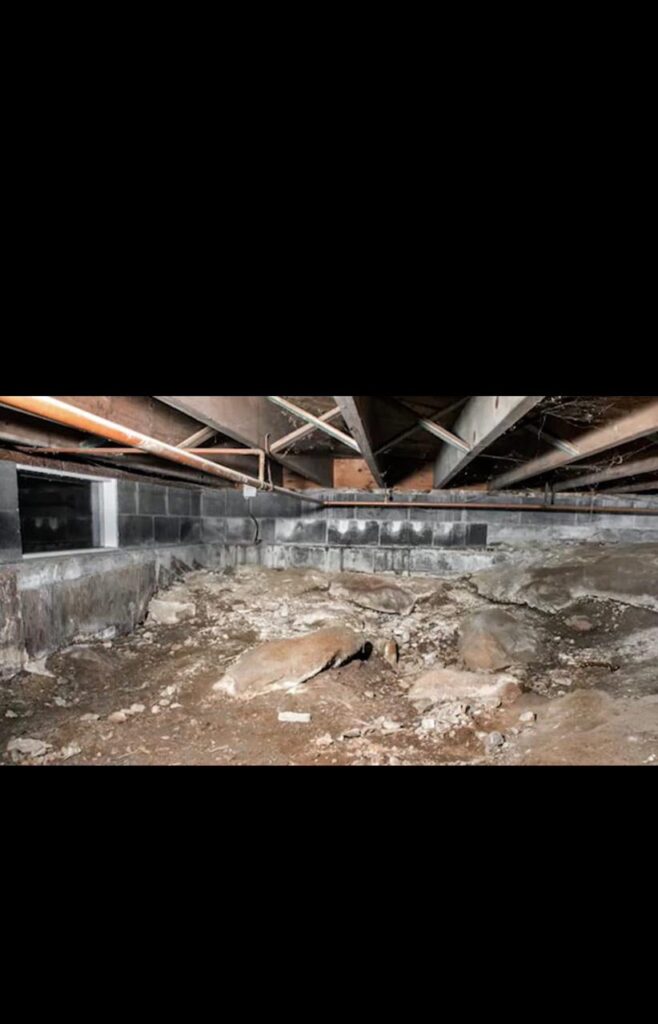
Mold in Crawl Spaces in Satellite Beach: What Homeowners in Brevard County Should KnowCrawl spaces are one of the most common—and least inspected—places for mold to develop in homes across Satellite Beach and Brevard County. Because they’re out of sight and often hard to access, crawl spaces can stay damp for long periods, allowing mold to grow quietly beneath your home.In a coastal community like Satellite Beach, crawl space mold is especially common due to humidity, sandy soil, and moisture intrusion. Understanding how mold forms there, what signs to watch for, and how to prevent it can protect both your home’s structure and your indoor air quality.⸻Why Crawl Space Mold Is So Common in Satellite BeachSatellite Beach homes face several conditions that make crawl spaces vulnerable: • High coastal humidity year-round • Moisture from ocean air • Poor drainage in sandy soil • Frequent rain and storms • Limited airflow under homes • Older construction with minimal moisture barriersCrawl spaces sit directly above the ground, which constantly releases moisture. Without proper barriers and ventilation, that moisture has nowhere to go.⸻How Moisture Enters Crawl SpacesMany homeowners assume crawl space mold only comes from flooding. In reality, moisture often enters slowly and continuously.Common Moisture Sources • Ground moisture evaporating upward • Missing or damaged vapor barriers • Poor grading or drainage around the home • Plumbing leaks beneath the house • AC duct condensation • Flooding after heavy rain or storms • Open crawl space vents during humid weatherEven without standing water, excess humidity alone can fuel mold growth.⸻Where Mold Grows in Crawl SpacesCrawl space mold doesn’t stay in one place—it spreads wherever moisture lingers.High-Risk Areas • Wooden floor joists and beams • Subflooring beneath living spaces • Insulation under floors • Crawl space walls and piers • Ductwork and HVAC componentsMold often appears as dark staining, spotting, or fuzzy growth on wood surfaces. In many cases, it spreads across large areas before being noticed.⸻How Crawl Space Mold Affects the Rest of the HomeOne of the biggest misconceptions is that crawl space mold stays contained. It doesn’t.Because of the stack effect, air from the crawl space naturally rises into the living areas above. That means: • Mold spores can circulate throughout the home • Musty odors can move upstairs • Indoor air quality can decline • Allergy and respiratory symptoms may increaseUp to half of the air you breathe inside your home can originate from below it.⸻Warning Signs of Crawl Space MoldSince crawl spaces are rarely checked, mold problems often show up indirectly.Inside-the-Home Clues • Musty odors, especially near floors • Cold or damp-feeling floors • Increased indoor humidity • Warped flooring or cupping hardwoodHealth Clues • Increased allergies or asthma symptoms • Sinus irritation or coughing indoors • Symptoms improving when leaving the houseExterior or Structural Clues • Visible moisture under the home • Sagging insulation • Standing water after rainThese signs often mean the crawl space needs immediate attention.⸻Why Coastal Crawl Spaces Are Especially VulnerableSatellite Beach’s coastal environment adds unique challenges: • Ocean air carries constant moisture • Humid air enters crawl spaces through vents • Salt air accelerates material deterioration • Storm surge and heavy rain raise groundwater levelsTraditional vented crawl spaces often pull humid air inside, making moisture problems worse instead of better.⸻Crawl Space Mold and Structural DamageMold doesn’t just affect air quality—it can damage your home over time.Potential structural impacts include: • Wood rot in joists and beams • Weakened subflooring • Insulation breakdown • Increased pest activityLeft untreated, crawl space mold can contribute to expensive repairs and long-term structural issues.⸻Why DIY Crawl Space Mold Cleanup Is RiskyCrawl space mold removal is not a typical DIY project.Common mistakes include: • Scraping or spraying mold without containment • Using bleach on wood or insulation • Ignoring moisture sources • Entering crawl spaces without protective gearThese actions can release large amounts of spores into the home and fail to address the conditions that caused mold in the first place.⸻Crawl Space Mold Inspections: What Professionals Look ForA professional inspection focuses on extent, moisture sources, and prevention.Typical inspection areas include: • Moisture levels in wood and soil • Condition of vapor barriers • Plumbing leaks or condensation • Insulation condition • Drainage and grading issues • Ventilation or encapsulation needsIdentifying why moisture is present is just as important as finding the mold itself.⸻Mold Remediation in Crawl Spaces: What It InvolvesEffective crawl space mold remediation is a multi-step process.It often includes: 1. Containment to prevent spore spread 2. HEPA air filtration 3. Removal or treatment of mold-contaminated materials 4. Cleaning and antimicrobial application 5. Installing or repairing vapor barriers 6. Addressing drainage, ventilation, or humidity issuesIn many cases, encapsulation or dehumidification is recommended to prevent recurrence.⸻Preventing Crawl Space Mold in Satellite Beach HomesPrevention is far more affordable than remediation.Key Prevention Strategies • Install a proper vapor barrier • Improve drainage around the home • Repair plumbing leaks promptly • Seal air leaks between crawl space and living areas • Control indoor and crawl space humidity • Schedule periodic crawl space inspectionsIn coastal areas, controlling moisture—not ventilation alone—is the key.⸻When to Call a ProfessionalYou should contact a professional if: • You smell persistent musty odors • Floors feel damp or cold • Mold is visible under the home • Insulation is sagging or wet • Health symptoms worsen indoors • The home has a history of flooding or moisture issuesEarly action prevents mold from spreading further into the structure and living areas.⸻Why Crawl Space Mold Should Never Be IgnoredIgnoring crawl space mold can lead to: • Poor indoor air quality • Ongoing health issues • Structural wood damage • Higher energy costs • Reduced home valueBecause crawl spaces affect the entire house, problems there rarely stay isolated.⸻Final Thoughts for Satellite Beach HomeownersIn Satellite Beach, crawl space mold is common—but it’s also manageable and preventable with the right approach. Moisture control, proper barriers, and regular inspections make all the difference in coastal homes.If your crawl space hasn’t been checked in years—or if your home shows signs of moisture or air quality issues—it’s worth taking a closer look. Addressing crawl space mold early protects your health, your comfort, and your investment.Whenever you’re ready, send the next Brevard County mold article title, and I’ll handle the