
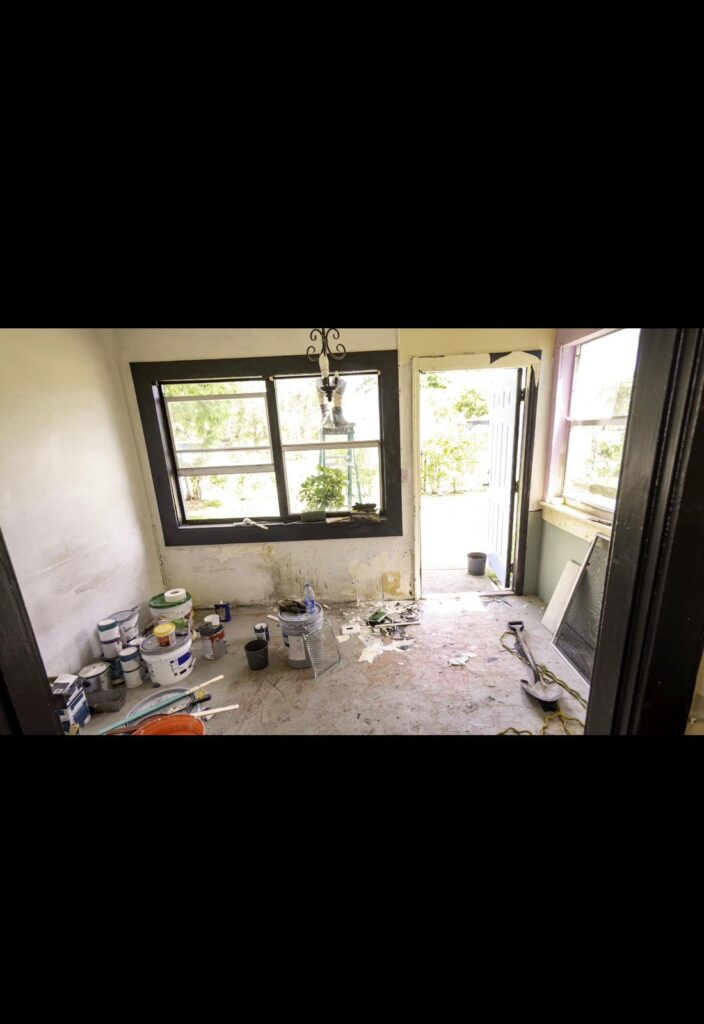
Mold After Hurricanes in Cocoa: What Homeowners in Brevard County Should KnowHurricanes don’t end when the wind dies down—especially in Cocoa and across Brevard County. Long after the storm passes, mold becomes the next major threat to homes that took on water, humidity, or storm damage.Many homeowners focus on visible damage first: roof shingles, downed fences, soaked carpets. But mold often starts quietly behind walls, under floors, and inside HVAC systems, growing for weeks before it’s discovered. Understanding how hurricanes trigger mold, what to watch for, and how to respond quickly can save your home from long-term damage and expensive repairs.This guide explains what Cocoa homeowners should know—clearly and practically.⸻Why Hurricanes Lead to Mold in Cocoa HomesHurricanes create the perfect mold conditions all at once: • Wind-driven rain entering roofs, walls, and windows • Flooding and storm surge saturating floors and foundations • Power outages shutting down AC and dehumidification • High humidity lingering for days or weeks after the storm • Delayed repairs due to contractor and supply shortagesMold doesn’t need dramatic flooding. Even small leaks plus days of trapped humidity can be enough.⸻How Fast Mold Grows After a HurricaneOne of the biggest misconceptions is that mold takes a long time to develop. It doesn’t.Typical post-hurricane timeline: • 0–24 hours: Materials absorb moisture • 24–48 hours: Mold spores begin colonizing • 3–7 days: Musty odors and early growth appear • Weeks later: Hidden mold spreads behind walls and under floorsBy the time mold is visible, it’s often already well established.⸻Common Hurricane-Related Mold Sources in CocoaAfter hurricanes, mold usually traces back to one or more of these sources:Roof & Exterior Damage • Missing or lifted shingles • Damaged flashing • Wind-driven rain entering attics • Leaks around vents or skylightsFlooding & Groundwater • Flooded living spaces • Saturated crawl spaces • Water wicking up through slab or flooringHVAC & Condensation Issues • AC systems shut down during outages • Standing water in drain pans • Moist air trapped in ductworkWindows & Doors • Broken seals • Wind-driven rain intrusion • Condensation buildup after power lossEach of these can feed mold growth long after the storm.⸻Hidden Mold: The Biggest Post-Hurricane RiskThe most dangerous mold after hurricanes is often the mold you can’t see.Common hidden growth areas include: • Behind drywall • Under tile, laminate, or carpet • Inside insulation • In attics with roof leaks • Inside HVAC systems and ductsHomes may look dry on the surface while moisture remains trapped inside building materials.⸻Warning Signs Mold May Be DevelopingAfter a hurricane, watch closely for these red flags—even weeks later.Visual Clues • Water stains on ceilings or walls • Bubbling or peeling paint • Warped baseboards or flooring • Dark spotting near corners or ventsOdors & Air Quality • Musty or earthy smells • Odors that worsen when AC runs • Stale indoor airHealth Clues • Increased allergies or coughing • Sinus congestion or headaches • Asthma symptoms flaring upIf symptoms improve when you leave the house, mold could be involved.⸻Why Power Outages Make Mold WorsePower outages are a major mold accelerator in Cocoa.When AC is off: • Humidity spikes rapidly • Moist air settles on walls and ceilings • Condensation forms inside ducts and air handlersHomes can reach mold-friendly humidity levels within hours during outages—especially in summer.Once power returns, mold may already be active.⸻Why Fans Alone Aren’t Enough After a HurricaneMany homeowners rely on fans to dry things out. Fans help—but they have limits.Problems with fan-only drying: • Air can’t reach moisture inside walls • Insulation stays wet long after surfaces dry • Hidden mold continues growing • Moisture pockets go undetectedProfessional drying uses moisture meters and targeted airflow—not guesswork.⸻Mold Inspections After Hurricanes: Why They MatterA post-hurricane mold inspection focuses on moisture detection, not just visible mold.Inspections help: • Identify hidden moisture • Locate roof, wall, or HVAC leaks • Determine if mold is active or likely • Document damage for insuranceEarly inspections can prevent minor moisture issues from turning into full remediation projects.⸻Mold Testing After Hurricanes: Is It Necessary?Testing isn’t always required, but it’s helpful when: • Mold is suspected but not visible • Odors persist weeks after the storm • Health symptoms appear • Insurance documentation is needed • You’re buying or selling post-stormTesting can confirm spore levels and guide next steps.⸻Mold Remediation After Hurricane DamageProper remediation after hurricanes focuses on containment and prevention, not surface cleaning.Typical remediation steps include: 1. Containment to prevent spore spread 2. HEPA air filtration 3. Removal of mold-contaminated materials 4. Antimicrobial treatment 5. Complete drying and moisture correction 6. Repairing storm-related damageSkipping moisture correction almost guarantees mold will return.⸻Insurance and Mold After HurricanesInsurance coverage depends on cause and timing.Generally: • Mold from a covered storm-related water event may be covered • Mold from delayed drying or long-term moisture is often denied • Mold coverage limits are commonDocumentation matters: • Photos before cleanup • Records of drying efforts • Inspection reports • Repair timelinesDelays can jeopardize claims.⸻Vacant Homes After Hurricanes: Extra RiskMany Cocoa homes are vacant or seasonal.Vacancy risks include: • Delayed discovery of leaks • AC turned off • No humidity controlAfter hurricanes, vacant homes often develop mold faster than occupied ones.Best practices: • Restore power and AC quickly • Inspect as soon as access is safe • Monitor humidity • Address leaks immediately⸻Preventing Mold After Hurricanes in CocoaImmediate Steps (First 48 Hours) • Stop water intrusion • Dry affected areas aggressively • Remove wet materials when possible • Restore AC and dehumidification • Document damageOngoing Prevention • Repair roof and exterior damage promptly • Monitor humidity levels • Inspect attics, walls, and HVAC systems • Address musty odors earlySpeed is the most effective mold prevention tool.⸻When to Call a ProfessionalProfessional help is strongly recommended if: • Water damage lasted more than 24 hours • Mold odors persist • Mold becomes visible • HVAC systems were affected • Health symptoms appear • Insurance claims are involvedEarly professional involvement reduces costs and protects indoor air quality.⸻Why Ignoring Post-Hurricane Mold Is CostlyUnchecked mold can lead to: • Structural damage • Poor indoor air quality • Health problems • Expensive remediation • Reduced home valueMold rarely fixes itself—and hurricane-related mold spreads fast in Florida homes.⸻Final Thoughts for Cocoa HomeownersIn Cocoa, hurricanes don’t just damage homes—they create the perfect conditions for mold. The biggest mistakes homeowners make are waiting too long and assuming things are dry because they look dry.After a storm, moisture control is just as important as visible repairs. Acting quickly, monitoring humidity, and addressing hidden moisture can prevent weeks of stress and thousands in repairs.If your home experienced water intrusion, power loss, or lingering humidity after a hurricane, it’s worth taking mold seriously—before it takes over.When you’re ready, send the next Brevard County mold article title, and I’ll handle the rest.