
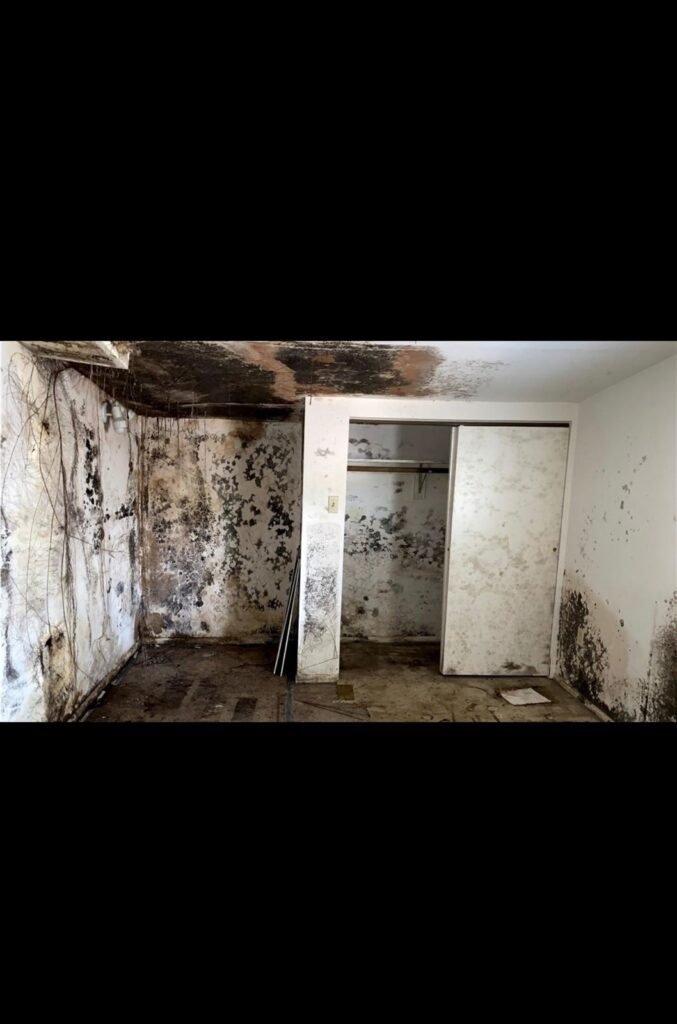
Toxic Mold in Indian Harbour Beach: What Homeowners in Brevard County Should Know
Living in Indian Harbour Beach has plenty of upsides—ocean air, coastal views, and a relaxed pace of life. But that same coastal environment also creates ideal conditions for toxic mold to develop inside homes. High humidity, salt-laden air, frequent storms, and constant AC use can quietly turn small moisture issues into serious indoor air problems.
“Toxic mold” is a phrase that causes a lot of anxiety—and a lot of confusion. This guide clears things up. You’ll learn what toxic mold really means, why it’s more common in coastal homes, how to spot the warning signs early, and what actually works to fix the problem for good.
⸻
What Is Toxic Mold (Really)?
“Toxic mold” isn’t a scientific category—it’s a common term used to describe molds that produce mycotoxins, which can affect indoor air quality and human health when exposure is prolonged.
Important points homeowners should understand:
• Not all mold is toxic
• Not all toxic mold is black
• Color alone does not determine danger
• The amount, location, and duration of exposure matter most
In Indian Harbour Beach homes, mold often grows out of sight, which increases the chance of longer exposure before anyone realizes there’s a problem.
⸻
Why Toxic Mold Is Common in Indian Harbour Beach Homes
Coastal conditions raise mold risk significantly.
Local factors include:
• High humidity year-round
• Salt air that traps moisture on surfaces
• Wind-driven rain during storms
• Condensation from constant AC use
• Crawl spaces and attics exposed to moisture
• Seasonal or vacant homes with limited airflow
Toxic mold doesn’t usually appear overnight. It develops gradually as moisture problems go unnoticed or untreated.
⸻
Common Places Toxic Mold Hides
Toxic mold is often hidden, not sitting in plain sight.
HVAC Systems
HVAC systems are one of the most serious mold sources in coastal homes.
Why mold grows here:
• Condensation forms naturally on coils
• Drain pans can hold standing water
• Dust inside ducts feeds mold growth
• Systems run nearly year-round
Once mold grows inside the HVAC system, spores can circulate throughout the entire home.
⸻
Behind Drywall
Moisture from:
• Window leaks
• Roof intrusion
• Condensation on exterior walls
• Plumbing leaks
…can soak drywall from the back side, allowing mold to grow where you can’t see it.
⸻
Bathrooms
Bathrooms provide regular humidity spikes.
High-risk areas include:
• Shower grout and caulking
• Ceiling corners above showers
• Under sinks and vanities
• Exhaust fans that don’t vent outdoors
Poor ventilation allows moisture to linger long enough for mold to become established.
⸻
Attics
Attic mold is extremely common in Indian Harbour Beach homes.
Common causes:
• Roof leaks after storms
• Bathroom fans venting into the attic
• Poor ventilation trapping humid air
Mold often grows on roof decking and trusses long before ceiling stains appear.
⸻
Crawl Spaces
Coastal crawl spaces are prime mold territory.
Moisture sources include:
• Ground moisture
• Poor drainage
• Flooding after storms
• Missing or damaged vapor barriers
Air from crawl spaces rises into living areas, carrying mold spores with it.
⸻
Warning Signs of Toxic Mold Exposure
Toxic mold often reveals itself through symptoms, not visible growth.
Home-Related Clues
• Persistent musty or earthy odors
• Odors that worsen when AC runs
• Rooms that feel damp or clammy
• Recurring mold after cleaning
Health-Related Clues
• Sneezing or coughing indoors
• Sinus congestion or headaches
• Eye or skin irritation
• Fatigue or brain fog
• Worsening asthma or allergies
A key red flag: symptoms improve when you leave the house and return when you come back.
⸻
Why Coastal Homes Face Higher Health Risks
Indian Harbour Beach homes face repeated moisture exposure—even without major leaks.
Small, repeated issues like:
• Minor window seepage
• Condensation during humid days
• AC short-cycling
• Seasonal vacancies
…can create long-term mold exposure. Toxic mold risk increases not because of one big event, but because of ongoing moisture over time.
⸻
Why DIY Toxic Mold Cleanup Is Dangerous
DIY mold cleanup is one of the biggest mistakes homeowners make with suspected toxic mold.
Common DIY errors:
• Scrubbing mold without containment
• Using bleach on drywall or wood
• Disturbing mold and releasing spores
• Cleaning visible mold but ignoring hidden growth
• Failing to correct moisture sources
Bleach may remove surface discoloration, but it does not kill mold roots in porous materials. In some cases, it actually feeds regrowth.
DIY attempts often spread spores deeper into the home.
⸻
How Professionals Handle Toxic Mold Safely
Professional remediation focuses on safety, containment, and prevention—not just appearance.
Step 1: Inspection & Moisture Assessment
• Identify visible and hidden mold
• Locate moisture sources
• Determine how long the problem has existed
⸻
Step 2: Containment
• Plastic barriers isolate affected areas
• Negative air pressure prevents spores from spreading
⸻
Step 3: Air Filtration
• HEPA air scrubbers remove airborne spores
⸻
Step 4: Removal & Cleaning
• Removal of contaminated materials when necessary
• Cleaning and antimicrobial treatment of salvageable surfaces
⸻
Step 5: Moisture Correction
• Repair leaks
• Improve ventilation
• Control humidity
• Fix HVAC drainage or airflow issues
Without moisture correction, toxic mold will return.
⸻
Mold Testing: When It’s Helpful
Testing isn’t always required, but it can be useful when:
• Mold is suspected but not visible
• Health symptoms are present
• Multiple areas may be affected
• Documentation is needed for insurance or resale
• There’s uncertainty about indoor air quality
Testing works best when paired with a thorough inspection.
⸻
Insurance and Toxic Mold in Florida Homes
Insurance coverage depends on what caused the mold, not whether it’s toxic.
Coverage may apply if mold resulted from:
• A sudden pipe burst
• Appliance failure
• Storm-related water intrusion
Coverage is often denied when mold results from:
• Long-term humidity
• Ongoing leaks
• Poor maintenance
Most policies include strict mold limits, so early documentation and action matter.
⸻
Preventing Toxic Mold in Indian Harbour Beach Homes
Prevention is about consistent moisture control, not occasional fixes.
Smart Prevention Steps
• Keep indoor humidity below 50%
• Use dehumidifiers during humid months
• Run bathroom exhaust fans during and after showers
• Maintain HVAC drain lines and filters
• Inspect attics and crawl spaces annually
• Don’t turn AC completely off when away
• Address musty odors early
Coastal homes require ongoing attention to moisture.
⸻
When to Call a Professional
You should seek professional help if:
• Mold keeps returning
• Musty odors persist
• HVAC systems may be involved
• Mold covers more than a small area
• Health symptoms worsen indoors
• There’s a history of water or storm damage
Early professional involvement prevents widespread contamination and higher costs.
⸻
Why Ignoring Toxic Mold Is Risky
Unchecked toxic mold can lead to:
• Ongoing health issues
• HVAC contamination
• Structural damage
• Expensive remediation
• Reduced property value
Toxic mold doesn’t stay contained—it spreads through air and moisture pathways.
⸻
Final Thoughts for Indian Harbour Beach Homeowners
Toxic mold in Indian Harbour Beach homes isn’t rare—but it doesn’t have to become overwhelming. The real danger isn’t the label “toxic”; it’s long-term exposure combined with uncontrolled moisture.
If your home smells musty, feels overly humid, or causes unexplained health symptoms, trust those signs. Early inspection and proper remediation are far easier—and far less expensive—than waiting until mold