
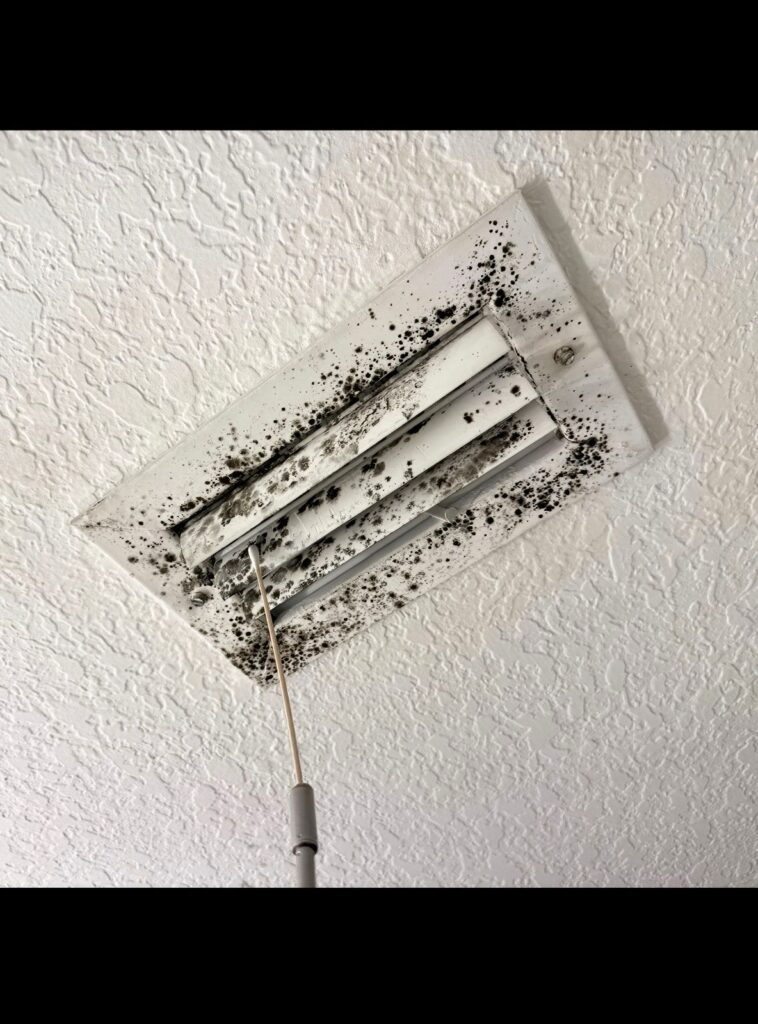
Mold in HVAC Systems in Palm Bay: What Homeowners in Brevard County Should KnowYour HVAC system is designed to keep your home comfortable and your indoor air clean. In Palm Bay, however, that same system can quietly become one of the most common sources of mold growth in the entire house. Because air conditioning runs almost year-round in Brevard County, moisture inside HVAC components is constant—and where moisture lingers, mold follows.Many homeowners don’t realize there’s a problem until musty odors, allergy symptoms, or recurring mold issues start showing up throughout the home. Understanding how mold develops inside HVAC systems, why Palm Bay homes are especially vulnerable, and how to prevent it can protect both your health and your indoor air quality.⸻Why HVAC Mold Is So Common in Palm Bay HomesPalm Bay’s climate creates ideal conditions for HVAC-related mold: • High humidity most of the year • Heavy reliance on air conditioning • Condensation forming on cooling components • Frequent afternoon rainstorms • Warm temperatures that slow drying • Homes sealed tightly for energy efficiencyHVAC systems naturally produce moisture as they cool the air. In a humid environment like Palm Bay, that moisture doesn’t always drain or evaporate as it should—allowing mold to establish itself inside the system.⸻How Mold Develops Inside HVAC SystemsMold growth inside HVAC systems usually starts with condensation.As warm, humid air passes over cold evaporator coils: • Moisture forms • Water collects in drain pans • Drain lines may clog or drain slowly • Dust and debris collect inside componentsDust acts as food for mold. Combine that with constant moisture and darkness, and mold can begin growing quietly inside the system—often without any visible signs at first.⸻Common Places Mold Is Found in HVAC SystemsMold rarely stays in just one location. In Palm Bay homes, it often spreads through multiple HVAC components.Air Handler and Evaporator Coils • Constant condensation • Dust accumulation • Poor airflow • Drainage problemsThis is one of the most common mold growth areas and often the source of system-wide contamination.⸻Condensate Drain Pan and Drain Line • Standing water • Slime and algae buildup • Frequent clogs • Overflows during heavy humidityEven small amounts of standing water can support ongoing mold growth.⸻Air Ducts • Moist air passing through • Dust lining duct interiors • Insulated ductwork trapping moistureOnce mold enters the duct system, spores can travel to every room in the home.⸻Supply and Return Vents • Dark buildup around vent edges • Musty odors when AC turns onVent contamination often indicates a deeper problem inside the system.⸻Warning Signs of Mold in HVAC SystemsHVAC mold often affects homeowners before it’s visible.Odor Clues • Musty or sour smells when the AC starts • Odors that get stronger after the system runs • Smells coming from vents rather than specific rooms⸻Health Clues • Increased allergies indoors • Sinus congestion or coughing • Headaches or throat irritation • Asthma symptoms worsening at home • Symptoms improving when leaving the house⸻Comfort Clues • Stale or heavy indoor air • Excess indoor humidity • Dusty smell even after cleaningIf multiple rooms are affected, the HVAC system is often the common link.⸻Why HVAC Mold Is a Bigger Problem Than Surface MoldMold in HVAC systems is more serious because: • The system circulates spores throughout the home • Exposure happens continuously • Mold can reach areas you never see • Indoor air quality is directly affectedA small amount of mold inside an air handler can impact the entire living space.⸻DIY HVAC Mold Cleaning: Why It Usually FailsMany homeowners try wiping vents or spraying cleaners, but HVAC mold rarely stays that simple.Common DIY mistakes include: • Cleaning vents but ignoring ducts • Using bleach inside HVAC components • Disturbing mold without containment • Running the system during cleanup • Ignoring moisture and drainage issuesThese actions often spread spores further and allow mold to return quickly.⸻HVAC Mold Inspections: What Professionals Look ForA professional HVAC mold inspection focuses on moisture, airflow, and contamination, not just visible growth.Inspectors typically evaluate: • Air handler and coil condition • Drain pan and drain line function • Duct interiors • Humidity levels • Airflow balance • Signs of past water buildupHidden mold is often found during inspections even when vents look clean.⸻Mold Testing and HVAC SystemsTesting isn’t always required, but it can help when: • Mold is suspected but not visible • Health symptoms are present • Odors persist without explanation • Documentation is neededTesting can help determine whether HVAC mold is contributing to indoor air quality issues.⸻Mold Remediation for HVAC SystemsProper remediation addresses both mold and moisture.Typical HVAC mold remediation includes: 1. Containment to prevent spore spread 2. HEPA air filtration 3. Cleaning or removing contaminated components 4. Antimicrobial treatment 5. Correcting drainage, airflow, and humidity issuesIn some cases, damaged insulation or duct sections may need replacement.⸻How Long HVAC Mold Remediation TakesTimelines vary based on severity: • Minor contamination: 1–2 days • Moderate system involvement: several days • Extensive duct or system contamination: longer, especially if repairs are neededRushing remediation increases the chance of mold returning.⸻Preventing Mold in HVAC Systems in Palm BayPrevention focuses on moisture control and maintenance.Smart Prevention Steps • Change HVAC filters regularly • Keep condensate drain lines clear • Schedule routine HVAC maintenance • Maintain indoor humidity below 50% • Avoid turning AC completely off when away • Address musty odors immediately • Ensure proper airflow throughout the homeA well-maintained system is far less likely to develop mold.⸻Storms, Power Outages, and HVAC Mold RiskPower outages are a major mold trigger in Palm Bay.When AC shuts down: • Humidity rises quickly • Moisture settles inside ducts and air handlers • Mold-friendly conditions develop within hoursAfter power is restored: • Restart AC promptly • Check drain pans • Monitor for new odors • Watch humidity levels closely⸻Insurance and HVAC MoldInsurance coverage depends on what caused the moisture, not where the mold is.Mold may be covered if it resulted from: • Sudden pipe bursts • Appliance failures • Storm-related water intrusionMold caused by long-term humidity, poor maintenance, or drainage issues is often excluded. Documentation and quick action matter.⸻When to Call a Professional in Palm BayProfessional help is recommended if: • Musty odors persist when AC runs • Mold is visible in vents or air handlers • Allergy symptoms worsen indoors • Humidity stays high despite AC use • Mold returns after cleaning • There’s been water damage or power outagesEarly intervention prevents whole-home contamination.⸻Why Ignoring HVAC Mold Gets ExpensiveUntreated HVAC mold can lead to: • Poor indoor air quality • Worsening health symptoms • Contaminated ductwork • Costly remediation later • Reduced home valueBecause HVAC systems affect every room, mold here rarely stays isolated.⸻Final Thoughts for Palm Bay HomeownersMold in HVAC systems is one of the most common hidden problems in Palm Bay homes. The combination of humidity, constant AC use, and moisture buildup creates ideal conditions for mold to grow quietly inside the system that moves air throughout your home.The key is early awareness and consistent maintenance. When odors, humidity issues, or health symptoms appear, the HVAC system should always be part of the conversation. Addressing HVAC mold early protects indoor air quality, reduces health risks, and prevents small issues from becoming costly problems.
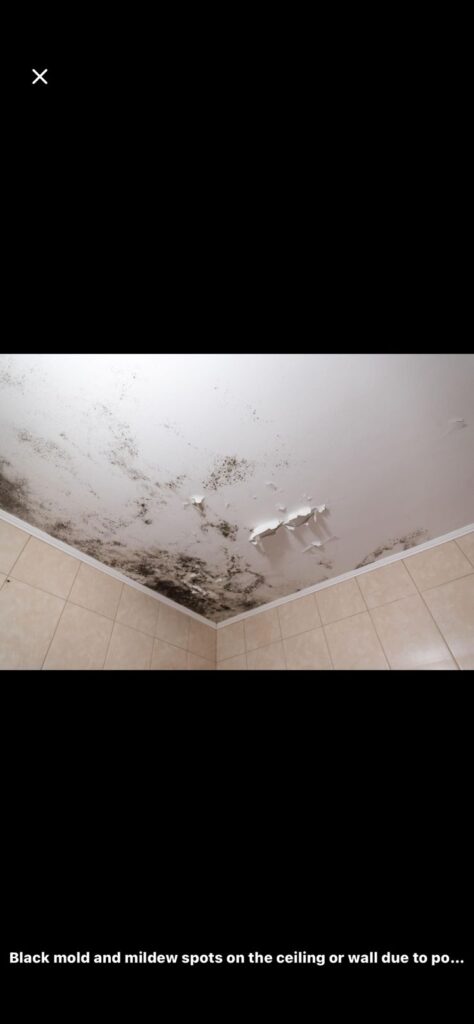
Mold in Bathrooms in Cocoa: What Homeowners in Brevard County Should KnowBathrooms are one of the most common mold problem areas in homes across Cocoa and Brevard County. Daily showers, steam, and limited airflow create ideal conditions for mold to grow—often faster than homeowners expect. What starts as a small patch on grout or a faint musty smell can quickly spread behind walls, under cabinets, or into ceilings if moisture isn’t controlled.Understanding why bathroom mold is so common, where it hides, and how to stop it early can prevent ongoing damage and health concerns.⸻Why Bathroom Mold Is So Common in Cocoa HomesCocoa’s climate makes bathrooms especially vulnerable: • High humidity most of the year • Daily steam from showers • Warm indoor temperatures • Poor or underused exhaust fans • Hidden plumbing behind walls • AC condensation nearbyBathrooms experience repeated moisture spikes, and without proper ventilation, that moisture lingers long enough for mold to take hold.⸻Common Places Mold Grows in BathroomsBathroom mold isn’t always obvious. It often starts in places that stay damp the longest.High-Risk Bathroom Areas • Shower grout and caulking • Tile corners and shower ceilings • Bathroom ceilings above showers • Under sinks and inside vanity cabinets • Around toilets and supply lines • Behind mirrors • Inside or around exhaust fan housingsBy the time mold is visible on the surface, there may already be hidden growth behind it.⸻Early Warning Signs Homeowners MissBathroom mold usually gives subtle signals first.Visual Clues • Darkening grout lines • Peeling or bubbling paint • Yellow or brown ceiling stains • Warped cabinet basesOdor & Air Clues • Musty smells after showering • Damp odors that don’t fade • Odors trapped even after cleaningHealth Clues • Sneezing or congestion after showers • Itchy eyes or throat irritation • Asthma or allergy symptoms worseningIf symptoms improve when you leave the home, mold could be contributing.⸻Bathroom Exhaust Fans: The Most Overlooked IssueOne of the biggest causes of bathroom mold in Cocoa homes is poor ventilation.Common problems include: • Exhaust fans not used consistently • Fans turned off too soon after showers • Fans too weak for the bathroom size • Fans venting into attics instead of outdoors • Dirty or failing fan motorsA bathroom fan should run during showers and for at least 20–30 minutes afterward to remove moisture effectively.⸻Showers, Grout, and Caulk: Mold’s Favorite TargetsGrout and caulk are porous, meaning they absorb moisture easily.What helps: • Resealing grout regularly • Replacing cracked or shrinking caulk • Drying shower walls after use • Using mold-resistant caulkWhat doesn’t: • Bleach on porous grout • Painting over mold stains • Ignoring recurring discolorationIf mold keeps returning, moisture is still present.⸻Under-Sink Leaks: Hidden Bathroom Mold SourcesSlow leaks under sinks are one of the most common hidden mold causes.Watch for: • Warped cabinet floors • Soft wood or bubbling laminate • Musty odors when opening cabinet doors • Stains around supply linesEven small drips can support mold growth inside cabinets and wall cavities.⸻Why DIY Bathroom Mold Cleaning Often FailsScrubbing visible mold doesn’t solve the underlying problem.Common DIY mistakes include: • Cleaning without fixing moisture sources • Using bleach on drywall or wood • Disturbing mold and spreading spores • Ignoring hidden growthIn many cases, DIY cleaning temporarily removes stains while mold continues growing out of sight.⸻When Bathroom Mold Becomes a Bigger ProblemBathroom mold shouldn’t be ignored when: • Mold keeps returning after cleaning • Growth spreads beyond grout or tile • Ceilings or walls show staining • Multiple bathrooms are affected • Musty odors persist • Health symptoms worsen indoorsThese signs often point to hidden moisture or ventilation problems.⸻Mold Inspections for Bathroom IssuesA professional inspection can help when: • Mold is recurring • Odors persist without visible growth • You suspect mold behind walls or ceilings • There’s a history of leaks or water damageInspections focus on moisture sources, not just surface mold.⸻Preventing Bathroom Mold in Cocoa HomesPrevention works when it’s consistent.Daily and Weekly Habits • Run exhaust fans properly • Wipe down shower walls • Hang towels to dry fully • Keep bathroom doors open when possibleMaintenance Steps • Fix leaks immediately • Reseal grout and replace caulk • Clean exhaust fan covers • Keep indoor humidity below 50%Long-Term Prevention • Upgrade weak exhaust fans • Ensure fans vent outdoors • Improve attic ventilation above bathroomsStopping moisture is the key—cleaning alone won’t prevent mold.⸻When to Call a ProfessionalProfessional help is recommended if: • Mold spreads beyond small areas • Odors persist after cleaning • Mold returns repeatedly • Ceilings or walls are affected • Health symptoms appear or worsenEarly intervention prevents more extensive damage and higher costs.⸻Final Thoughts for Cocoa HomeownersBathroom mold in Cocoa is common—but it’s also preventable. Moisture control, proper ventilation, and quick responses to leaks make the biggest difference. The danger comes from ignoring early signs or assuming surface cleaning fixes the problem.Bathrooms may be small spaces, but mold problems there can grow fast. Staying proactive protects your home, your indoor air quality, and your peace of mind.