
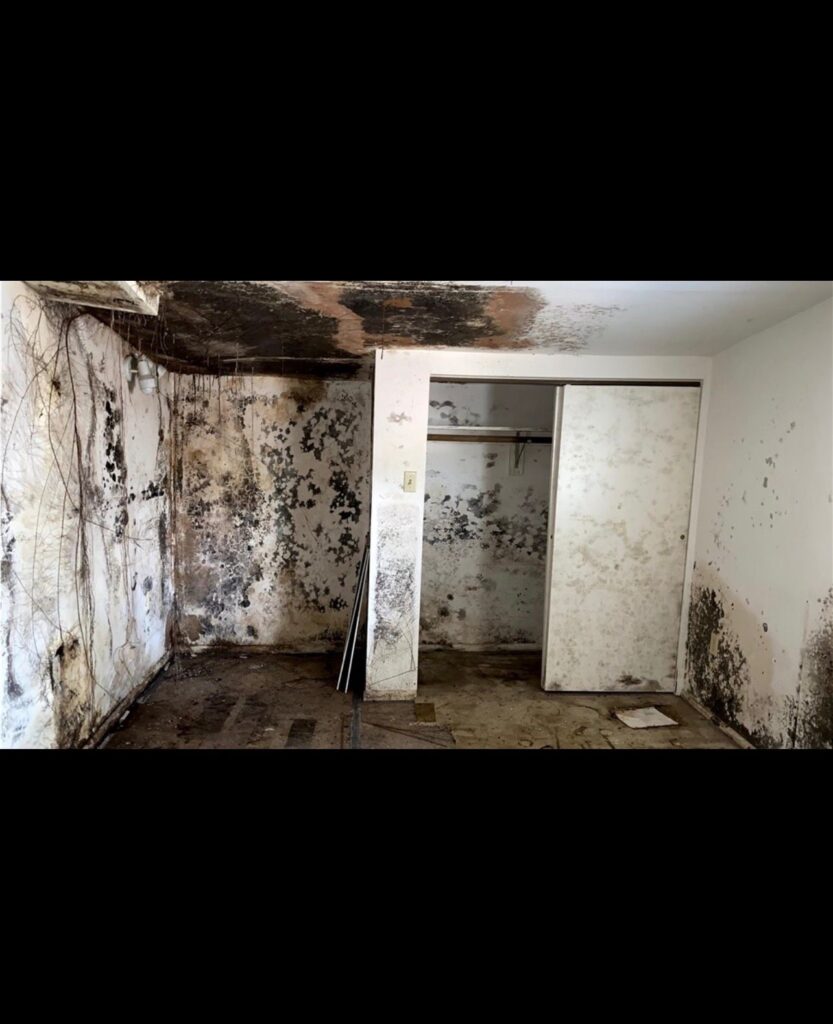
Mold FAQs in Satellite Beach: What Homeowners in Brevard County Should KnowMold questions come up constantly for homeowners in Satellite Beach. Coastal humidity, salt air, frequent storms, and year-round AC use create ideal conditions for mold growth—often without obvious leaks or flooding. This FAQ answers the most common questions Satellite Beach homeowners ask, with clear, practical explanations based on real conditions in Brevard County homes.⸻What Causes Mold in Satellite Beach Homes?Mold needs moisture, warmth, and a food source. Satellite Beach provides all three.Common causes include: • High indoor humidity • Wind-driven rain intrusion • Roof, window, or door leaks • AC condensation and drain issues • Poor bathroom ventilation • Damp attics and crawl spacesEven without visible water damage, humidity alone can trigger mold growth over time.⸻Is Mold Normal in Coastal Florida Homes?Mold spores are normal everywhere. Active mold growth is not.Mold problems are common in coastal homes, but they’re not unavoidable. Homes that control moisture, ventilate properly, and address leaks quickly are far less likely to develop serious mold issues.⸻How Fast Does Mold Grow?Mold can begin growing within 24–48 hours after moisture exposure.Typical timeline: • Day 1: Materials absorb moisture • Day 2–3: Mold colonies begin forming • Days 4–7: Odors or staining may appear • Weeks later: Hidden mold spreads behind surfacesThat’s why fast drying after storms or leaks is critical.⸻Where Does Mold Usually Hide?In Satellite Beach homes, mold is often hidden, not obvious.Common hiding spots: • Behind drywall • Inside HVAC systems and ductwork • Attics with poor ventilation • Crawl spaces • Under flooring • Inside wall cavities • Around windows and doorsBy the time mold is visible, there’s often more out of sight.⸻What Are the Early Warning Signs of Mold?Visual Signs • Ceiling or wall stains • Bubbling or peeling paint • Dark spots near vents or cornersOdor Signs • Persistent musty or earthy smells • Odors that worsen when AC runsHealth Signs • Sneezing or coughing indoors • Sinus congestion or headaches • Asthma or allergy symptoms worseningA major clue: symptoms improve when you leave the house.⸻Is Black Mold More Dangerous Than Other Mold?“Black mold” is a general term, not a diagnosis.Color alone doesn’t determine risk. Some molds can produce mycotoxins, but amount, location, and exposure time matter more than appearance. Other non-black molds can also cause health issues.⸻Can I Clean Mold Myself?Small surface mold on non-porous materials can sometimes be cleaned safely. DIY cleaning often fails when: • Mold is on drywall, wood, or insulation • Mold keeps returning • There’s a musty smell without visible mold • HVAC systems are involved • Moisture sources aren’t fixedScrubbing mold without containment can spread spores.⸻Does Bleach Kill Mold?Bleach only affects surface mold on non-porous materials.Why bleach often fails: • It doesn’t penetrate drywall or wood • It doesn’t remove mold roots • Added moisture can fuel regrowthThat’s why mold often disappears briefly, then returns.⸻When Is Mold Testing Necessary?Testing isn’t always required, but it’s helpful when: • Mold is suspected but not visible • Health symptoms are present • Mold keeps returning • You’re buying or selling a home • Insurance documentation is neededTesting helps evaluate spore levels and indoor air quality.⸻What Does a Mold Inspection Do?A professional inspection looks for cause, extent, and risk.It typically includes: • Visual inspection • Moisture detection • HVAC, attic, and crawl space checks • Identification of moisture sources • Recommendations for next stepsInspection is about understanding the problem—not tearing walls apart.⸻How Is Mold Properly Removed?Proper mold remediation focuses on containment and prevention, not just cleaning.Typical steps: • Containment to prevent spore spread • HEPA air filtration • Removal or treatment of contaminated materials • Antimicrobial cleaning • Moisture correctionWithout fixing moisture, mold will return.⸻Is Mold Covered by Homeowners Insurance?Sometimes.Mold may be covered if it results from a sudden, accidental water event, such as: • Burst pipes • Appliance failures • Storm-related intrusionMold from long-term humidity or maintenance issues is usually excluded. Coverage limits are common.⸻Do Dehumidifiers Help?Yes, when used correctly.Dehumidifiers: • Reduce moisture mold needs to grow • Help keep indoor humidity below 50% • Are especially useful during humid monthsThey work best alongside proper ventilation and leak repairs.⸻Can Mold Come Back After Remediation?Yes—if moisture issues aren’t fixed.Common reasons mold returns: • Hidden leaks • Poor ventilation • High indoor humidity • Incomplete remediation • HVAC moisture problemsPrevention is part of successful remediation.⸻Are Newer Homes Safer From Mold?Not necessarily.Newer homes can be more vulnerable if they’re tightly sealed and humidity isn’t controlled. Proper ventilation and consistent AC operation are critical.⸻How Often Should Homes Be Checked?There’s no set schedule, but inspections are smart: • After storms or water damage • When musty odors appear • Before buying or selling • If health symptoms develop • If the home has a history of leaksEarly detection saves money and stress.⸻What’s the Best Way to Prevent Mold?Mold prevention is moisture control.Key steps: • Keep humidity below 50% • Fix leaks immediately • Use bathroom exhaust fans properly • Maintain HVAC systems • Inspect attics and crawl spaces • Don’t ignore musty odorsDry homes don’t grow mold.⸻When Should I Call a Professional?Professional help is recommended if: • Mold keeps returning • Odors persist • Mold spreads beyond small areas • HVAC systems may be involved • Health symptoms worsen indoorsEarly action prevents larger problems.⸻Final Thoughts for Satellite Beach HomeownersMold questions are common in Satellite Beach because moisture is constant. Mold problems usually start quietly and worsen over time when humidity or leaks go unchecked. Understanding early signs, controlling moisture, and acting quickly can prevent mold from becoming a major issue.In coastal Florida homes, staying proactive makes all the difference.