
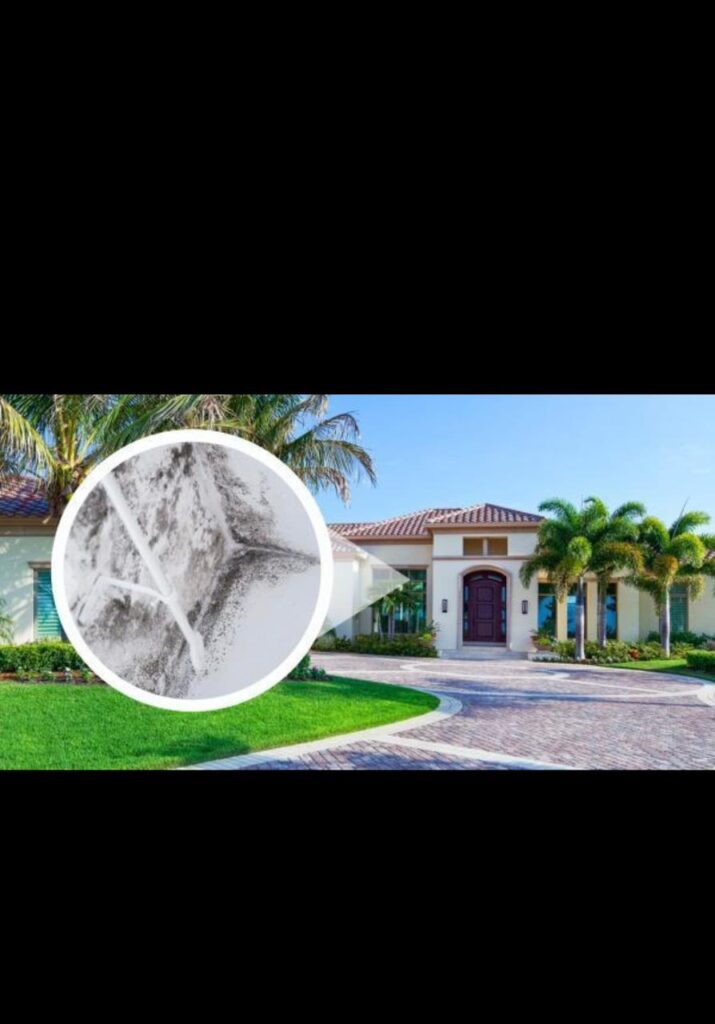
Hidden Mold Problems in West Melbourne: What Homeowners in Brevard County Should KnowHidden mold is one of the most common and most missed issues in homes across West Melbourne and Brevard County. Unlike visible mold on bathroom grout or ceilings, hidden mold grows quietly—behind walls, under floors, inside HVAC systems, and above ceilings—often for long periods before anyone realizes there’s a problem.By the time symptoms appear or damage becomes visible, mold is usually already established. Understanding where hidden mold forms, why it’s common in West Melbourne homes, and how to catch it early can prevent serious damage and long-term health concerns.⸻Why Hidden Mold Is Common in West Melbourne HomesWest Melbourne’s environment creates ideal conditions for mold to grow out of sight: • High humidity most of the year • Frequent rain and afternoon storms • Constant air conditioning use • Condensation inside walls and ducts • Tightly sealed homes with limited airflow • Attics and crawl spaces prone to moistureHidden mold doesn’t require flooding or obvious leaks. Ongoing humidity and small moisture issues are often enough.⸻What Makes Mold “Hidden”Hidden mold grows in areas that homeowners rarely inspect or can’t easily see.Common hidden locations include: • Behind drywall • Inside wall cavities • Under flooring and baseboards • In HVAC systems and ductwork • Attics • Crawl spaces • Inside cabinets and soffitsBecause these areas are enclosed and slow to dry, mold can grow for months without visible clues.⸻The Most Common Hidden Mold Locations in West Melbourne HomesBehind DrywallMoisture from: • Window and door leaks • Roof intrusion • Condensation on exterior walls • Plumbing leaks…can soak drywall from the back side, allowing mold to grow unseen.Clues: musty odors, bubbling paint, wall discoloration, or cool, damp-feeling walls.⸻HVAC Systems and DuctworkHVAC systems are one of the largest hidden mold sources.Why mold grows here: • Condensation forms naturally • Drain pans can hold standing water • Dust inside ducts feeds mold • Systems run most of the yearOnce mold grows in HVAC components, spores circulate throughout the home.Clues: musty smells when AC runs, allergy symptoms indoors, dark buildup around vents.⸻AtticsAttic mold often goes unnoticed until it spreads.Common attic moisture sources: • Roof leaks after storms • Bathroom fans venting into the attic • Poor ventilation trapping humid airMold typically grows on roof decking, trusses, and insulation.Clues: musty odors upstairs, ceiling stains, peeling paint near ceilings.⸻Crawl SpacesCrawl spaces are naturally damp and dark.Moisture sources include: • Ground moisture • Poor drainage • High groundwater • Missing or damaged vapor barriersAir from crawl spaces rises into the home, carrying moisture and spores.Clues: musty odors, damp floors, increased indoor humidity.⸻Under Flooring and BaseboardsWater from leaks, storms, or condensation can seep under: • Tile • Laminate • Carpet • BaseboardsOnce trapped, moisture allows mold to grow long after surfaces appear dry.Clues: warped flooring, popping tiles, baseboard staining, persistent odors.⸻Health Symptoms Linked to Hidden MoldHidden mold often reveals itself through health symptoms first.Common symptoms include: • Sneezing or coughing indoors • Sinus congestion or headaches • Eye or throat irritation • Fatigue or brain fog • Worsening asthma or allergiesA key indicator: symptoms improve when you leave the home and return when you come back.⸻Why Hidden Mold Is Missed for So LongHidden mold often goes undetected because: • There’s no visible growth • Odors are subtle at first • Symptoms are blamed on allergies • Moisture sources are small or intermittent • DIY cleaning masks early signsMold doesn’t stop growing just because it’s unseen.⸻Why DIY Cleaning Doesn’t Fix Hidden MoldCleaning visible mold does not address hidden growth.Common DIY mistakes include: • Scrubbing surface stains • Using bleach on drywall or wood • Painting over discoloration • Ignoring musty odors • Failing to locate moisture sourcesHidden mold continues growing and often spreads faster when disturbed.⸻How Professionals Find Hidden MoldProfessional inspections focus on moisture and airflow, not just visible mold.Common inspection methods include: • Moisture meters • Thermal imaging • HVAC system evaluation • Attic and crawl space inspections • Air or surface sampling when neededThe goal is identifying where moisture exists and why.⸻Mold Testing: When It’s HelpfulTesting can be useful when: • Mold is suspected but not visible • Odors persist without explanation • Health symptoms are present • Documentation is needed for insurance or resale • Multiple areas may be affectedTesting works best alongside a full inspection.⸻Hidden Mold RemediationEffective remediation addresses both mold and moisture.Typical steps include: 1. Containment to prevent spore spread 2. HEPA air filtration 3. Removal of contaminated materials 4. Antimicrobial treatment 5. Drying and moisture correction 6. Repairing leaks or ventilation issuesSkipping moisture correction almost guarantees mold will return.⸻Insurance and Hidden MoldInsurance coverage depends on cause and timing. • Mold from sudden water events may be covered • Mold from long-term humidity or leaks is often excluded • Coverage limits are commonEarly documentation improves claim outcomes.⸻Preventing Hidden Mold in West Melbourne HomesControl Humidity • Keep indoor humidity below 50% • Use dehumidifiers during humid months • Avoid turning AC off completelyMaintain the Home • Repair leaks immediately • Seal windows and doors • Insulate ductwork • Maintain HVAC systemsInspect High-Risk Areas • Check attics and crawl spaces annually • Address musty odors early • Inspect after storms or leaks⸻When to Call a ProfessionalProfessional help is recommended if: • Musty odors persist • Mold keeps returning • Health symptoms worsen indoors • HVAC systems may be involved • There’s a history of water damage • You’re buying or selling a homeEarly action prevents major remediation later.⸻Why Hidden Mold Should Never Be IgnoredUnchecked hidden mold can lead to: • Structural damage • Poor indoor air quality • Health problems • HVAC contamination • Reduced home valueHidden mold doesn’t stay hidden forever.⸻Final Thoughts for West Melbourne HomeownersHidden mold problems in West Melbourne are common—but they’re often preventable. Moisture control, early detection, and proper inspections are the key to stopping mold before it spreads.If your home smells musty, feels unusually humid, or causes unexplained health symptoms, trust those signs. In Florida homes, what you can’t see often matters most.