
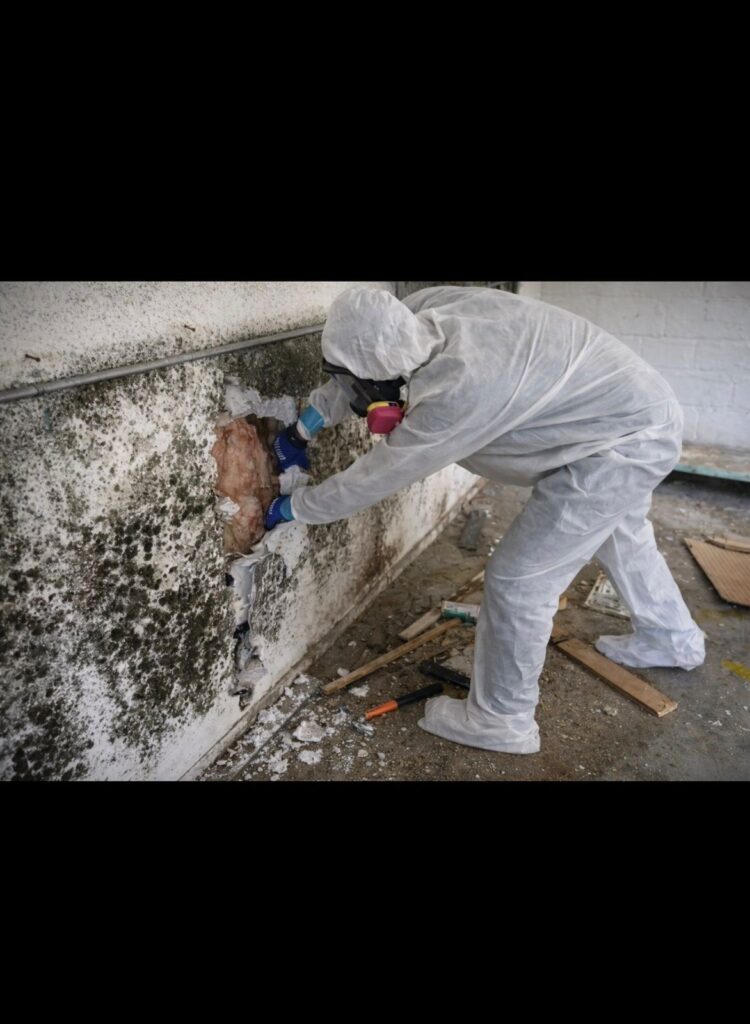
Mold Remediation in Cocoa Beach: What Homeowners in Brevard County Should Mold Remediation in Cocoa Beach: What Homeowners in Brevard County Should KnowMold remediation is more than just removing visible mold—it’s about fixing the conditions that allow mold to grow and preventing it from coming back. In Cocoa Beach, where humidity, salt air, and coastal storms are part of daily life, mold remediation is a common need for homeowners. Many homes experience mold not because of major flooding, but because moisture quietly builds up over time.Understanding how mold remediation works, when it’s necessary, and what makes Cocoa Beach homes especially vulnerable can help homeowners take the right steps before small problems become expensive ones.⸻Why Mold Remediation Is Common in Cocoa Beach HomesCocoa Beach’s coastal environment creates constant moisture pressure: • High humidity year-round • Salt air that holds moisture • Frequent storms and wind-driven rain • Heavy air conditioning use • Condensation in walls and HVAC systems • Seasonal or vacant homesMold spores are always present. When moisture lingers, mold grows—often without visible warning signs.⸻Mold Removal vs Mold RemediationThese terms are often used interchangeably, but they’re not the same.Mold Removal • Focuses on visible mold • Often limited to cleaning surfaces • Does not always address moisture sourcesMold Remediation • Identifies and fixes moisture problems • Uses containment and air filtration • Removes contaminated materials safely • Reduces spore spread • Prevents recurrenceIn coastal homes, remediation—not surface cleaning—is what actually solves the problem.⸻Common Areas That Require Mold Remediation in Cocoa BeachHVAC SystemsHVAC systems are one of the most common remediation areas.Why mold grows here: • Constant condensation • Standing water in drain pans • Dust buildup feeding mold • Year-round system operationMold inside HVAC systems affects the entire home’s air quality.⸻AtticsAttic mold often develops due to: • Roof leaks after storms • Bathroom fans venting into the attic • Poor ventilation trapping humid air • Condensation on roof deckingAttic mold is frequently hidden until stains or odors appear indoors.⸻Crawl SpacesCrawl spaces stay damp and dark, especially near the coast.Common issues include: • Ground moisture • Poor drainage • High groundwater levels • Missing or damaged vapor barriersAir from crawl spaces rises into living spaces, carrying moisture and spores.⸻Walls and CeilingsMold often grows: • Behind drywall • Inside wall cavities • Above ceilings • Under baseboardsHidden growth is often discovered during remediation, even when surface mold looks minor.⸻Warning Signs Mold Remediation May Be NeededHomeowners often delay remediation because mold isn’t obvious.Common warning signs include: • Persistent musty odors • Mold that keeps returning after cleaning • Bubbling or peeling paint • Ceiling or wall stains • High indoor humidity • Health symptoms that worsen indoorsIf symptoms improve when you leave the home, mold may be contributing.⸻Why DIY Mold Cleanup Usually FailsDIY cleanup often makes mold problems worse.Common mistakes include: • Scrubbing mold without containment • Using bleach on drywall or wood • Painting over stains • Ignoring hidden moisture sources • Running HVAC systems during cleanupDisturbing mold releases spores into the air, spreading contamination.⸻What Professional Mold Remediation InvolvesProper mold remediation follows a structured, step-by-step process.Step 1: Inspection and Moisture Detection • Identify moisture sources • Determine extent of contamination • Evaluate HVAC, attic, and crawl spaces⸻Step 2: Containment • Seal affected areas • Prevent spores from spreading • Protect clean parts of the home⸻Step 3: Air Filtration • HEPA filtration captures airborne spores • Improves indoor air quality during work⸻Step 4: Removal of Contaminated Materials • Mold-damaged drywall, insulation, or flooring may be removed • Porous materials that cannot be cleaned are discarded safely⸻Step 5: Cleaning and Antimicrobial Treatment • Clean remaining surfaces • Apply treatments to reduce remaining spores⸻Step 6: Moisture Correction • Repair leaks • Improve ventilation • Control humidityWithout moisture correction, remediation will not last.⸻How Long Mold Remediation TakesTimelines depend on severity: • Small, contained areas: 1–2 days • Multiple rooms or HVAC involvement: several days • Extensive hidden mold: longer, especially if repairs are neededRushing remediation increases the risk of mold returning.⸻Mold Remediation and Insurance in Cocoa BeachInsurance coverage depends on what caused the moisture, not mold itself.Mold may be covered if it resulted from: • Sudden plumbing failures • Appliance malfunctions • Storm-related water intrusionMold caused by long-term humidity, condensation, or maintenance issues is often excluded. Documentation and quick response matter.⸻Preventing Mold After RemediationEffective remediation includes prevention.Key Prevention Steps • Keep indoor humidity below 50% • Maintain HVAC systems and drain lines • Use bathroom exhaust fans properly • Fix leaks immediately • Inspect attics and crawl spaces regularly • Monitor vacant homes carefullyCoastal homes require consistent moisture management.⸻When to Schedule Mold RemediationProfessional remediation is recommended if: • Mold keeps returning • Mold spreads beyond small areas • HVAC systems are involved • Musty odors persist • Health symptoms worsen indoors • There’s been water or storm damageEarly action limits damage and cost.⸻Why Delaying Mold Remediation Is RiskyIgnoring mold can lead to: • Structural material damage • Poor indoor air quality • Health issues • HVAC contamination • Higher remediation costs • Reduced property valueMold rarely stops growing on its own in humid environments.⸻Final Thoughts for Cocoa Beach HomeownersMold remediation in Cocoa Beach is not about panic—it’s about addressing moisture before mold spreads further. Coastal conditions make mold growth more aggressive, and surface cleaning alone rarely works long-term.When remediation focuses on containment, proper removal, and moisture correction, homeowners can restore indoor air quality and protect their homes from recurring mold problems. In Brevard County’s coastal climate, proactive remediation is one of the best investments a homeowner can make.