
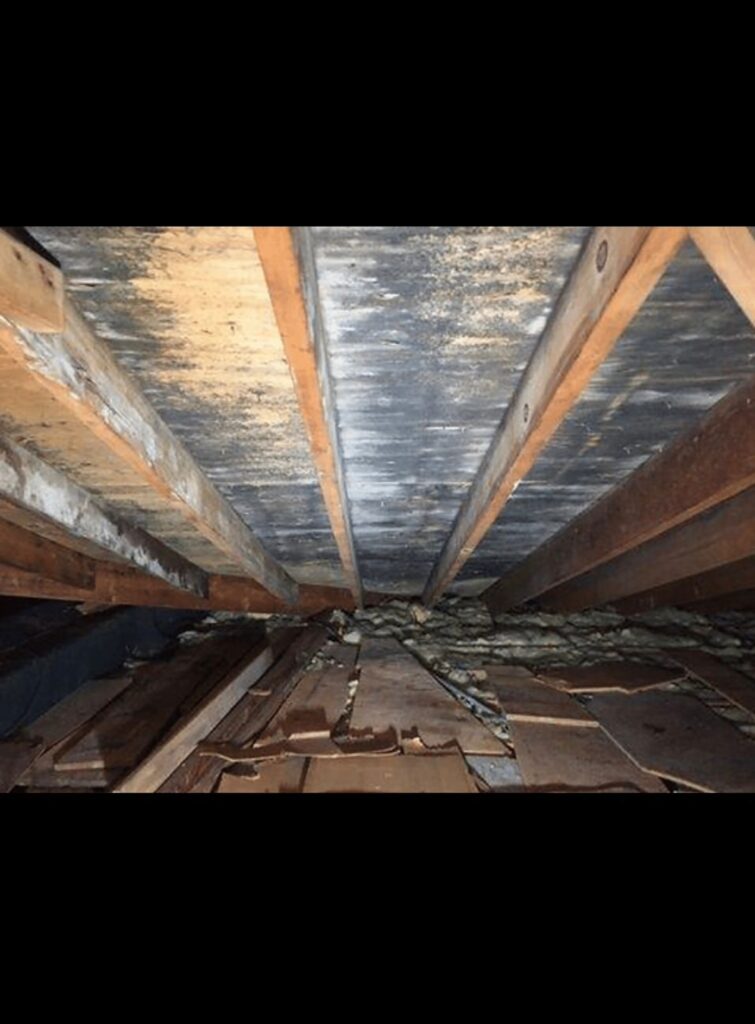
Black Mold in Merritt Island: What Homeowners in Brevard County Should KnowBlack mold is one of the most talked-about—and misunderstood—types of mold homeowners encounter in Merritt Island and throughout Brevard County. The term alone causes concern, but confusion often leads to delayed action or improper cleanup. In Florida’s humid, coastal environment, black mold can develop quietly after moisture problems and spread long before it’s noticed.Understanding what black mold really is, why it’s common in Merritt Island homes, and how to handle it properly helps homeowners protect their health and their property.⸻What Is “Black Mold”?“Black mold” is a general term commonly used to describe dark-colored mold growth, often associated with Stachybotrys chartarum. While this species can produce mycotoxins, not all black mold is toxic, and not all toxic molds are black.What matters most is: • The amount of mold • Where it’s growing • How long exposure has occurred • Whether moisture is still presentColor alone does not determine risk.⸻Why Black Mold Is Common in Merritt Island HomesMerritt Island’s location creates ideal conditions for mold growth: • High humidity year-round • Proximity to rivers, lagoons, and wetlands • Frequent rain and tropical storms • High groundwater levels • Constant air conditioning use • Homes with crawl spaces and atticsBlack mold typically develops in areas that stay damp for long periods—especially when moisture goes unnoticed.⸻Common Places Black Mold Is FoundBlack mold is rarely limited to visible surfaces.Frequent Locations in Merritt Island Homes • Bathrooms with poor ventilation • Behind drywall after leaks • Under sinks and cabinets • HVAC air handlers and ductwork • Attics with roof leaks or poor ventilation • Crawl spaces with ground moisture • Under flooring after water damageHidden growth is far more common than homeowners realize.⸻How Black Mold DevelopsBlack mold requires long-term moisture. It usually doesn’t appear after a single spill.Common triggers include: • Slow plumbing leaks • Roof leaks after storms • Condensation on walls or ducts • High indoor humidity • AC drain line failures • Flooding or storm surgeMold can begin growing within 24–48 hours, but black mold often indicates moisture has been present longer.⸻Warning Signs of Black MoldBlack mold often reveals itself indirectly.Visual Signs • Dark staining on walls or ceilings • Black or dark green patches on drywall or wood • Bubbling or peeling paintOdor Signs • Persistent musty or earthy smells • Odors that worsen when AC runsHealth Signs • Sneezing or coughing indoors • Sinus congestion or headaches • Eye or throat irritation • Worsening asthma or allergiesSymptoms that improve when leaving the home are a key red flag.⸻Health Concerns Linked to Black MoldHealth effects vary by individual and exposure level.Possible effects include: • Respiratory irritation • Allergic reactions • Increased asthma symptoms • Fatigue or brain fogChildren, seniors, and individuals with respiratory or immune conditions are more sensitive to mold exposure.⸻Why DIY Black Mold Cleanup Is RiskyBlack mold cleanup is not a typical DIY task.Common DIY mistakes include: • Scrubbing mold without containment • Using bleach on drywall or wood • Painting over mold stains • Disturbing mold and spreading spores • Ignoring hidden moisture sourcesDIY attempts often make contamination worse and allow mold to return quickly.⸻Black Mold and HVAC SystemsWhen black mold involves HVAC systems, the risk increases.Why HVAC mold is serious: • Systems circulate spores throughout the home • Mold grows on coils, drain pans, and ducts • Exposure becomes constantMusty odors when the AC runs often point to HVAC involvement.⸻Mold Inspection for Black Mold ConcernsA professional inspection helps determine: • Whether growth is active mold • Where moisture is coming from • How far contamination has spread • Whether HVAC, attic, or crawl spaces are involvedInspections focus on cause and extent, not just visible growth.⸻Mold Testing and Black MoldTesting may be recommended when: • Mold is suspected but not visible • Health symptoms are present • Mold keeps returning • Documentation is neededTesting helps identify mold types and evaluate indoor air quality.⸻Proper Black Mold RemediationEffective remediation addresses both mold and moisture.Typical steps include: 1. Containment to prevent spore spread 2. HEPA air filtration 3. Removal of contaminated materials 4. Antimicrobial treatment 5. Moisture correction and dryingSkipping moisture correction almost guarantees recurrence.⸻How Long Black Mold Remediation TakesTimelines depend on severity: • Small, contained areas: 1–2 days • Multiple rooms or hidden growth: several days • HVAC, attic, or crawl space involvement: longer, especially if repairs are requiredRushing remediation increases the chance of mold returning.⸻Insurance and Black Mold in Merritt IslandInsurance coverage depends on cause, not mold type.Black mold may be covered if caused by: • Sudden plumbing failures • Appliance malfunctions • Storm-related water intrusionMold caused by long-term humidity, slow leaks, or maintenance issues is often excluded. Documentation and quick response matter.⸻Preventing Black Mold in Merritt Island HomesPrevention focuses on moisture control.Key Prevention Steps • Keep indoor humidity below 50% • Maintain HVAC systems and drain lines • Use bathroom exhaust fans properly • Repair leaks immediately • Inspect attics and crawl spaces regularly • Address musty odors earlyDry homes don’t support black mold growth.⸻When to Call a ProfessionalProfessional help is recommended if: • Mold keeps returning • Mold covers more than a small area • Musty odors persist • HVAC systems may be involved • Health symptoms worsen indoors • There has been water or storm damageEarly action reduces cost and health risk.⸻Why Ignoring Black Mold Is CostlyUnchecked black mold can lead to: • Structural material damage • Poor indoor air quality • Ongoing health issues • HVAC contamination • Expensive remediation later • Reduced home valueBlack mold rarely resolves on its own in humid environments.⸻Final Thoughts for Merritt Island HomeownersBlack mold in Merritt Island homes is serious—but it’s also manageable when handled correctly. The biggest mistake homeowners make is focusing on color instead of moisture and source control.When moisture is addressed, mold is removed safely, and airflow and humidity are controlled, black mold problems can be resolved and prevented long-term. Early awareness and proper remediation protect both your home and your health.