
Toxic Mold in Titusville: What Homeowners in Brevard County Should Know
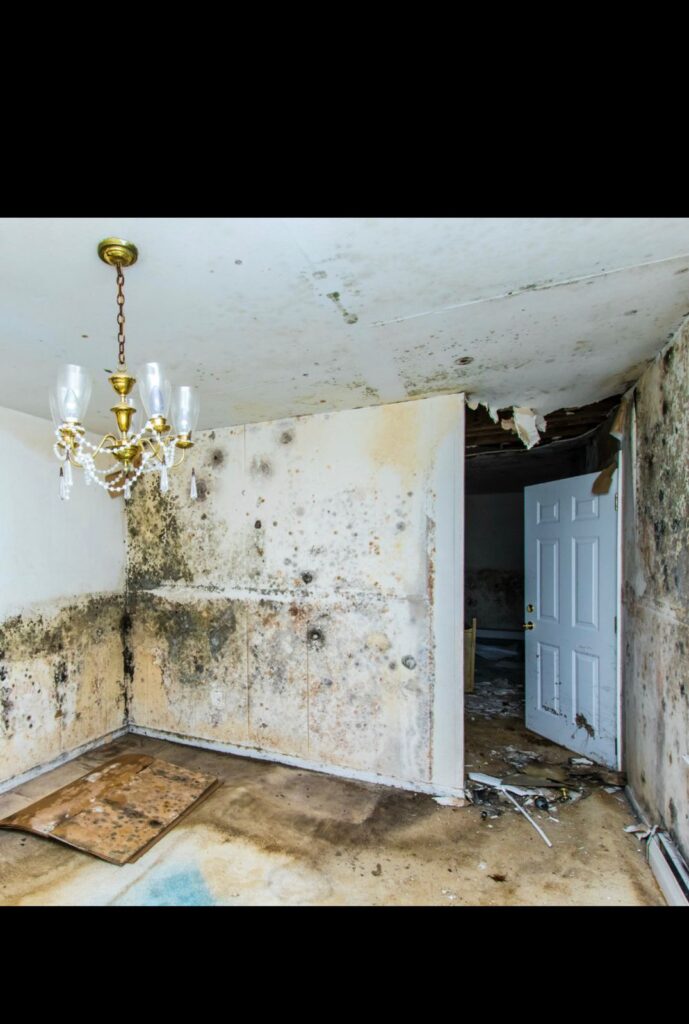
Toxic Mold in Titusville: What Homeowners in Brevard County Should KnowToxic mold is one of the most concerning issues homeowners face in Titusville and across Brevard County. The concern isn’t just property damage—it’s the potential impact on indoor air quality and health. In Florida’s humid climate, toxic mold can develop quietly after moisture problems and remain hidden long before it’s discovered.Understanding what toxic mold actually is, why it appears in Titusville homes, and how to respond properly helps homeowners avoid panic, misinformation, and costly mistakes.⸻What Is Toxic Mold?“Toxic mold” refers to molds that can produce mycotoxins under certain conditions. Mycotoxins are compounds that may cause irritation or health symptoms with prolonged exposure. The most commonly associated mold is Stachybotrys chartarum, but not all toxic molds are black, and not all black mold is toxic.What matters most: • Amount of mold present • Duration of exposure • Location of growth • Ongoing moisture conditionsColor alone does not determine toxicity.⸻Why Toxic Mold Is Common in Titusville HomesTitusville’s environment creates ideal mold conditions: • High humidity most of the year • Frequent rain and storms • Warm temperatures • Constant AC use creating condensation • Older homes mixed with newer sealed construction • Attics and crawl spaces prone to moistureToxic mold typically forms when moisture problems go unresolved for extended periods.⸻How Toxic Mold DevelopsToxic mold usually indicates long-term moisture, not a single event.Common triggers include: • Slow plumbing leaks • Roof leaks after storms • AC drain line clogs or overflows • Condensation inside walls or ducts • Flooding or storm-related water intrusionMold can begin growing within 24–48 hours, but toxic mold often suggests moisture has been present longer.⸻Where Toxic Mold Is Commonly FoundToxic mold is often hidden rather than visible.Frequent Locations in Titusville Homes • Behind drywall • Under sinks and cabinets • Inside HVAC air handlers and ductwork • Attics with roof leaks or poor ventilation • Crawl spaces with ground moisture • Under flooring after water damageVisible mold is often just the tip of the problem.⸻Warning Signs of Toxic MoldToxic mold often reveals itself through indirect signs.Visual Signs • Dark staining on walls or ceilings • Bubbling or peeling paint • Black or dark green patches on drywall or woodOdor Signs • Persistent musty or earthy smells • Odors that worsen when AC runsHealth Signs • Sneezing or coughing indoors • Sinus congestion or headaches • Eye or throat irritation • Fatigue or brain fog • Worsening asthma or allergiesSymptoms that improve when leaving the home are a major red flag.⸻Health Concerns Linked to Toxic MoldHealth effects vary depending on exposure and sensitivity.Possible effects include: • Respiratory irritation • Allergic reactions • Increased asthma symptoms • Headaches and fatigueChildren, seniors, and people with respiratory or immune conditions are more vulnerable to mold exposure.⸻Why DIY Toxic Mold Cleanup Is DangerousDIY cleanup often makes toxic mold problems worse.Common DIY mistakes include: • Scrubbing mold without containment • Using bleach on drywall or wood • Painting over mold stains • Disturbing mold and spreading spores • Ignoring hidden moisture sourcesImproper cleanup increases airborne exposure and allows mold to return.⸻Toxic Mold and HVAC SystemsWhen toxic mold involves HVAC systems, exposure becomes constant.Why HVAC mold is serious: • Systems circulate spores throughout the home • Mold grows on coils, drain pans, and ducts • Every room can be affectedMusty odors when the AC turns on often indicate HVAC involvement.⸻Mold Inspection for Toxic Mold ConcernsA professional inspection focuses on cause and extent, not just visible growth.Inspections help determine: • Whether mold may be producing toxins • Where moisture is coming from • How far mold has spread • Whether HVAC, attic, or crawl spaces are involvedInspection is the first step toward proper remediation.⸻Mold Testing and Toxic MoldTesting may be recommended when: • Mold is suspected but not visible • Health symptoms are present • Mold keeps returning • Documentation is neededTesting helps identify mold types and evaluate indoor air quality.⸻Proper Toxic Mold RemediationEffective remediation addresses both mold and moisture.Typical remediation steps include: 1. Containment to prevent spore spread 2. HEPA air filtration 3. Removal of contaminated materials 4. Antimicrobial treatment 5. Complete drying and moisture correctionSkipping moisture correction almost guarantees recurrence.⸻How Long Toxic Mold Remediation TakesTimelines depend on severity: • Small, contained areas: 1–2 days • Multiple rooms or hidden growth: several days • HVAC, attic, or crawl space involvement: longer, especially if repairs are neededRushing remediation increases risk of return.⸻Insurance and Toxic Mold in TitusvilleInsurance coverage depends on what caused the moisture, not the mold itself.Mold may be covered if caused by: • Sudden plumbing failures • Appliance malfunctions • Storm-related water intrusionMold from long-term humidity, slow leaks, or maintenance issues is often excluded. Documentation and quick action matter.⸻Preventing Toxic Mold in Titusville HomesPrevention focuses on moisture control.Key Prevention Steps • Keep indoor humidity below 50% • Maintain HVAC systems and drain lines • Use bathroom exhaust fans properly • Repair leaks immediately • Inspect attics and crawl spaces regularly • Address musty odors earlyDry homes don’t support toxic mold growth.⸻When to Call a ProfessionalProfessional help is recommended if: • Mold keeps returning • Mold spreads beyond small areas • Musty odors persist • HVAC systems may be involved • Health symptoms worsen indoors • There has been water or storm damageEarly action reduces health risks and costs.⸻Why Ignoring Toxic Mold Is RiskyUnchecked toxic mold can lead to: • Poor indoor air quality • Ongoing health symptoms • Structural material damage • HVAC contamination • Expensive remediation later • Reduced home valueToxic mold rarely resolves on its own in humid environments.⸻Final Thoughts for Titusville HomeownersToxic mold in Titusville homes is serious—but it doesn’t have to be overwhelming. The key is understanding that mold problems are driven by moisture, not just appearance. When moisture is controlled and mold is removed safely, long-term solutions are possible.Early detection, proper inspection, and professional remediation protect your home, your health, and your peace of mind in Brevard County’s challenging climate.