
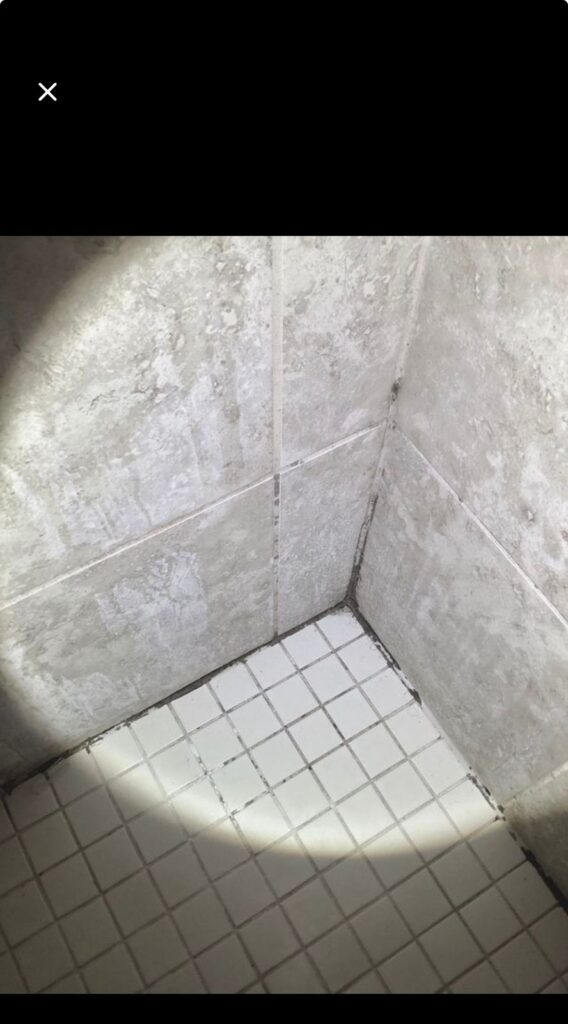
Mold in Bathrooms in Cape Canaveral: What Homeowners in Brevard County Should KnowBathrooms are one of the most common places for mold growth in homes across Cape Canaveral and Brevard County. Daily showers, steam, and limited airflow create perfect conditions for moisture to linger—especially in a coastal environment where humidity is already high. What begins as a small patch of discoloration on grout or a faint musty smell can quickly turn into a hidden mold problem behind walls or above ceilings if it isn’t addressed early.Understanding why bathroom mold is so common in Cape Canaveral homes, where it hides, and how to prevent it can help homeowners protect both their property and indoor air quality.⸻Why Bathroom Mold Is So Common in Cape CanaveralCape Canaveral’s coastal conditions make bathrooms especially vulnerable to mold: • High humidity year-round • Warm temperatures that slow drying • Frequent showers producing steam • Underused or ineffective exhaust fans • Salt air that holds moisture • Condensation from constant AC useBathrooms experience repeated moisture spikes every day. Without proper ventilation, that moisture settles into surfaces and materials where mold can thrive.⸻Common Places Mold Grows in BathroomsBathroom mold is often more widespread than it appears.High-Risk Bathroom Areas • Shower grout and caulking • Tile corners and shower ceilings • Bathroom ceilings above showers • Under sinks and inside vanity cabinets • Around toilets and supply lines • Behind mirrors • Inside or around exhaust fan housingsMold that’s visible on the surface often indicates moisture—and sometimes mold—behind it.⸻Early Warning Signs Homeowners MissBathroom mold usually shows subtle signs before becoming obvious.Visual Signs • Darkening grout lines • Peeling or bubbling paint • Yellow or brown ceiling stains • Warped cabinet basesOdor and Air Signs • Musty smells after showering • Damp odors that linger • Odors trapped even after cleaningHealth Signs • Sneezing or congestion after showers • Itchy eyes or throat irritation • Worsening asthma or allergy symptomsIf symptoms improve outside the home, indoor mold may be contributing.⸻Bathroom Exhaust Fans: The Biggest FactorPoor ventilation is one of the leading causes of bathroom mold.Common problems include: • Exhaust fans not used consistently • Fans turned off too quickly after showers • Fans that are too small for the bathroom • Fans venting into attics instead of outdoors • Dirty or failing fan motorsExhaust fans should run during showers and for at least 20–30 minutes afterward to remove moisture effectively.⸻Showers, Grout, and CaulkGrout and caulk are porous and hold moisture easily.Helpful prevention steps: • Reseal grout periodically • Replace cracked or shrinking caulk • Dry shower walls after use • Use mold-resistant caulkWhat doesn’t work long-term: • Bleach on porous grout • Painting over mold stains • Ignoring recurring discolorationIf mold keeps returning, moisture is still present.⸻Under-Sink Leaks and Hidden MoldSlow leaks under bathroom sinks are a major hidden mold source.Watch for: • Soft or warped cabinet floors • Bubbling laminate • Musty odors when opening cabinets • Stains around supply linesEven small drips can support mold growth inside cabinets and wall cavities.⸻Why DIY Bathroom Mold Cleaning Often FailsScrubbing visible mold rarely fixes the underlying problem.Common DIY mistakes include: • Cleaning without correcting moisture • Using bleach on drywall or wood • Disturbing mold and spreading spores • Ignoring hidden growthDIY cleaning may remove stains temporarily, but mold often returns—sometimes worse.⸻When Bathroom Mold Becomes a Bigger IssueBathroom mold should not be ignored when: • Mold keeps returning after cleaning • Growth spreads beyond grout or tile • Ceilings or walls show staining • Multiple bathrooms are affected • Musty odors persist • Health symptoms worsen indoorsThese signs often point to ventilation or hidden moisture problems.⸻Mold Inspections for Bathroom IssuesA professional inspection can help when: • Mold is recurring • Odors persist without visible growth • There’s concern about mold behind walls or ceilings • The home has a history of leaks or water damageInspections focus on moisture sources, not just surface mold.⸻Preventing Bathroom Mold in Cape Canaveral HomesPrevention depends on consistency.Daily and Weekly Habits • Use exhaust fans properly • Wipe down shower walls • Hang towels to dry fully • Leave bathroom doors open when possibleMaintenance Steps • Fix leaks immediately • Reseal grout and replace caulk • Clean exhaust fan covers • Keep indoor humidity below 50%Long-Term Prevention • Upgrade weak exhaust fans • Ensure fans vent outdoors • Improve attic ventilation above bathroomsStopping moisture is the key—cleaning alone won’t prevent mold.⸻When to Call a ProfessionalProfessional help is recommended if: • Mold spreads beyond small areas • Odors persist after cleaning • Mold keeps returning • Ceilings or walls are affected • Health symptoms appear or worsenEarly intervention prevents more extensive damage and higher costs.⸻Why Ignoring Bathroom Mold Is RiskyUnchecked bathroom mold can lead to: • Hidden wall and ceiling damage • Poor indoor air quality • Ongoing health symptoms • Costly repairs laterBathrooms may be small spaces, but mold problems there can grow quickly.⸻Final Thoughts for Cape Canaveral HomeownersBathroom mold in Cape Canaveral is common—but it’s also preventable. Moisture control, proper ventilation, and quick response to leaks make the biggest difference. The real risk comes from assuming surface cleaning is enough.By addressing humidity and airflow, homeowners can keep bathrooms dry, protect indoor air quality, and stop mold before it spreads beyond the bathroom walls.