
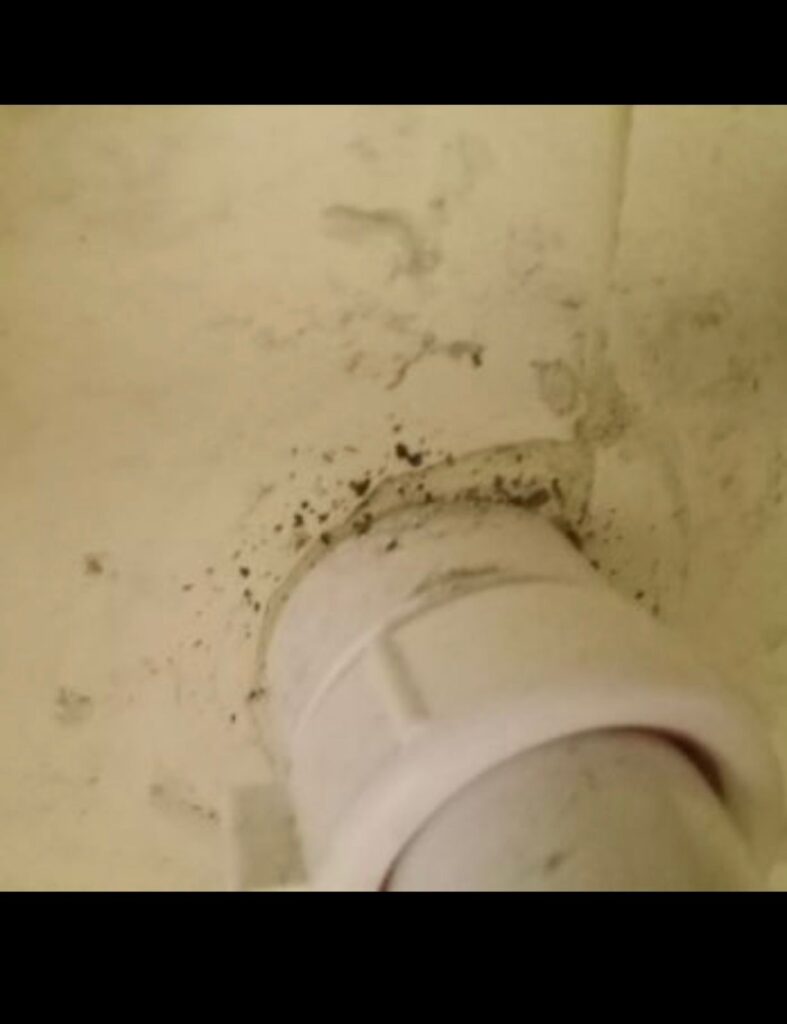
Mold FAQs in Merritt Island: What Homeowners in Brevard County Should KnowDealing with mold in your Merritt Island home can feel overwhelming — especially with our coastal humidity, frequent storms, and high moisture levels. But don’t worry! I’ve put together the most common questions homeowners in Brevard County ask about mold, with clear answers and practical tips so you can protect your home and your family.⸻🌴 1. What causes mold in homes on Merritt Island?Mold grows where there’s moisture + organic material. In Merritt Island’s subtropical climate, that often means: • Humidity levels above 60% • Leaks from roofs, windows, or plumbing • Poor ventilation in bathrooms, kitchens, and laundry rooms • Flooding or storm-related water intrusion • Condensation on cold surfaces like ductwork or windowsMold spores are everywhere — they just need moisture and food (wood, drywall, carpet, insulation) to start growing.⸻🧪 2. How can I tell if I have mold?Here are the top signs:Visible signs • Black, green, brown, or white fuzzy/speckled patches • Stains on ceilings or walls • Paint or wallpaper peelingSmell • Musty, earthy odor — especially in closets, basements, or crawl spacesHealth clues • Sneezing, coughing, itchy eyes, or worsening asthma when home • Symptoms improve when you’re away from the houseIf you see or smell mold, don’t ignore it — it’s usually a sign of excess moisture somewhere.⸻🧰 3. Do I need to test for mold?Most of the time, no — because if mold is visible or smells obvious, testing won’t change the outcome: you’re still going to address the moisture and remediation. Mold testing is usually only helpful if:✔ You can’t find the source✔ You need documentation for insurance or legal reasons✔ You suspect hidden mold but can’t see itTesting can be expensive and often confusing without a professional to interpret results.⸻🏡 4. Is all mold dangerous?Not all mold is toxic, but all mold should be taken seriously. • Some molds (like Stachybotrys, aka “black mold”) can produce mycotoxins that may affect health. • Other common indoor molds may be less harmful but can still trigger allergies and respiratory issues. • People with asthma, allergies, kids, and pets are more sensitive.The practical takeaway? Clean and remove mold issues as soon as possible — don’t wait to find out the species.⸻💧 5. Can I clean mold myself?Yes — but only in small, isolated areas (less than 10 sq ft) and with proper precautions:DIY cleaning tips • Wear gloves, goggles, and a mask • Use a solution like diluted detergent or a commercial mold cleaner • Don’t mix bleach with ammonia or other cleaners • Dry the area completely afterwardWhen NOT to DIY✔ Mold covers a large area✔ Mold returns after cleaning✔ The source of moisture is unknown✔ You see mold in HVAC ducts or behind wallsIn those cases, it’s usually safer and more effective to hire a professional mold remediation service.⸻🌦 6. Why is mold so common in Brevard County homes?Our location makes mold growth more likely: • Warm, humid climate year-round • Proximity to the Indian River and Atlantic Ocean • Frequent summer thunderstorms and hurricane season • Older homes with less vapor barrier protectionWithout good ventilation and moisture control, mold can develop quickly — often within 48–72 hours after water exposure.⸻🛠 7. How do professionals remove mold?Professional mold remediation typically involves:✔ Inspection • Identify affected areas and moisture sources • This includes attics, crawlspaces, HVAC, and behind walls✔ Containment • Sealing off the area to prevent spore spread✔ Removal • Removing affected materials (drywall, insulation, wood)✔ Drying • Using dehumidifiers and air movers✔ Cleaning & HEPA vacuuming • Cleaning surfaces and filtering airborne spores✔ Repairs • Fixing leaks or insulation to prevent recurrenceProfessionals also offer recommendations to prevent mold from returning.⸻🌀 8. Does mold grow in air ducts?Absolutely — especially in coastal, humid climates.Air ducts can trap moisture from: • AC condensation lines • Poor insulation • High indoor humidityMold in ductwork can spread spores throughout your home. If you suspect duct mold (odd smells, AC not cooling well), it’s worth a professional HVAC inspection and cleaning.⸻💦 9. How do I prevent mold in my Merritt Island home?Here are the most effective prevention strategies:🧹 Reduce Moisture • Use dehumidifiers in basements and closets • Keep indoor humidity below 50–55% • Fix leaks immediately🌬 Improve Ventilation • Exhaust fans in bathrooms and kitchens • Open windows on dry days❄ Maintain HVAC • Regular filter changes • Clean drip pans and drain lines🧱 Keep Surfaces Dry • Don’t leave wet clothes in laundry rooms • Wipe condensation off windows • Keep gutters clean and downspouts clear🏡 Seal the Exterior • Caulk around windows and doors • Repair roof and exterior leaks⸻📉 10. Does homeowner’s insurance cover mold damage?It depends:✔ Mold from a covered water damage event (like a burst pipe) may be covered✖ Mold from long-term moisture issues or poor maintenance generally is notAlways check your policy and document issues early. Some insurers offer optional mold coverage riders.⸻🧠 11. What health issues can mold cause?Not everyone reacts the same, but common effects include: • Nasal congestion and sneezing • Coughing and throat irritation • Eye irritation • Skin rashes • Asthma flare-ups • Fatigue or headaches in sensitive individualsIf you or someone in your home has unexplained symptoms that improve when away from the house, mold exposure could be a factor.⸻✔ 12. When should I call a pro?📌 Large mold areas📌 Hidden mold you can’t locate📌 Recurring mold after cleaning📌 Mold combined with structural damage📌 Mold in HVAC, crawlspaces, or behind wallsA pro can not only remove mold but also identify and fix the source of moisture so it doesn’t come back.⸻🔚 Final ThoughtsMold in Merritt Island homes is common but manageable — especially when you understand the causes and take action quickly. The keys are:✅ Control moisture✅ Catch problems early✅ Don’t ignore musty smells✅ Get help when mold is extensiveGot a specific mold situation or need recommendations for remediation pros in Brevard County? Just ask! I’m here to help.