
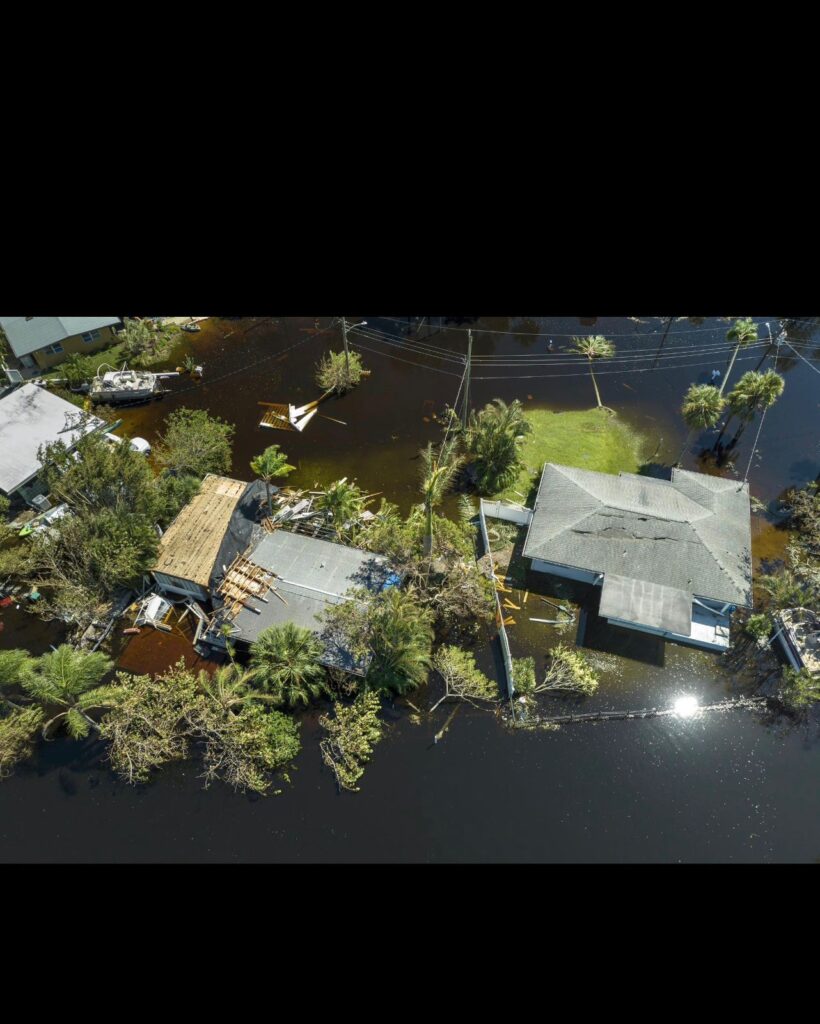
Mold After Hurricanes in Rockledge: What Homeowners in Brevard County Should KnowLiving in Rockledge means enjoying central Brevard County convenience — but it also means dealing with hurricane season every year. Even when a storm doesn’t make a direct hit, hurricanes and tropical systems bring heavy rain, flooding, wind-driven water intrusion, and extended power outages.What many homeowners don’t realize is that mold often becomes the real problem after the storm passes. It doesn’t always show up immediately. In fact, post-hurricane mold commonly develops days or weeks later, quietly spreading behind walls, under floors, and inside HVAC systems.This guide explains why hurricanes trigger mold growth, where mold hides in Rockledge homes, what warning signs to watch for, and how to protect your home after a storm.⸻Why Hurricanes Create Perfect Conditions for MoldMold needs only three things to grow: • Moisture • Warmth • Organic materialAfter a hurricane, Rockledge homes usually have all three.Hurricanes introduce moisture in multiple ways: • Roof damage from wind or debris • Wind-driven rain entering through windows and doors • Flooding from storm surge or overwhelmed drainage • Plumbing failures during pressure changes • AC shutdowns due to power lossEven homes that don’t appear flooded can still have hidden moisture, which is often more dangerous than visible water.Once materials stay wet for more than 24–48 hours, mold spores can begin growing.⸻Common Post-Hurricane Mold Scenarios in Rockledge HomesRoof LeaksMissing shingles or lifted flashing allow rain to soak insulation and ceilings. Mold often forms in attics first, then spreads downward.Flooded or Damp FlooringWater can seep under laminate, tile, and carpet padding. Mold grows underneath where it’s not visible until odors or warping appear.Saturated DrywallDrywall absorbs water like a sponge. Even if it looks dry on the surface, the inside may stay wet long enough for mold to colonize.HVAC MoisturePower outages stop AC systems, raising indoor humidity. When systems restart, condensation can form inside ducts and air handlers, creating mold reservoirs that spread spores throughout the home.Crawl Spaces and Slab EdgesGroundwater saturation after storms raises moisture levels under homes, feeding mold growth from below.⸻Why Mold After Hurricanes Is Often HiddenPost-hurricane mold is especially dangerous because it’s rarely obvious at first.Homeowners often focus on: • Fallen trees • Broken windows • Visible water damageMeanwhile, mold grows quietly in: • Wall cavities • Attics • Under cabinets • Behind baseboards • Inside ductworkBy the time mold becomes visible, it has often spread extensively, making remediation more complex and costly.⸻Warning Signs of Mold After a HurricaneAfter a storm, watch closely for these red flags: • Musty or earthy odors • Peeling or bubbling paint • Discoloration on ceilings or walls • Warped floors or baseboards • Increased allergy or asthma symptoms • Persistent humidity indoors • AC smells musty when runningIf your home smells “off” after a hurricane, trust your instincts — odors are often the first sign of hidden mold.⸻How Quickly Does Mold Grow After a Hurricane?Mold growth can begin within 24–48 hours after materials get wet. In Rockledge’s warm climate, mold growth can accelerate rapidly if: • Power is out • Dehumidification is delayed • Wet materials aren’t removed • Humidity stays above 60%Waiting even a few days to dry a home thoroughly can dramatically increase mold risk.⸻Should You Test for Mold After a Hurricane?Mold testing isn’t always necessary — but it can be useful in certain post-storm situations.Testing may help if: • You smell mold but can’t find it • Insurance documentation is required • You suspect mold inside walls or HVAC • Health symptoms appear after the stormTesting alone does not remove mold. Moisture control and proper remediation are always the priority.⸻DIY Cleanup vs. Professional Mold RemediationWhen DIY Cleanup May Be Enough • Small, visible mold areas (under 10 sq ft) • Non-porous surfaces only • Moisture source fully repaired • No recurring moldDIY steps should include: • Protective gear (mask, gloves, eye protection) • Proper containment • Complete drying of materialsWhen to Call a Professional • Flooding occurred • Drywall or insulation got wet • Mold keeps returning • HVAC systems were affected • Multiple rooms show signs of moisture • Health symptoms are presentAfter hurricanes, professional assessments are often the safer choice due to the amount of hidden moisture involved.⸻Why Mold Often Returns Months After the StormSome Rockledge homeowners think they’re in the clear — only to discover mold months later.This usually happens because: • Wet materials were not removed • Insulation stayed damp • Attics weren’t inspected • HVAC systems weren’t cleaned • Humidity remained elevated long-termMold may go dormant during cooler or drier periods, then reactivate when humidity rises again.⸻Preventing Mold After Hurricanes in RockledgeAct Fast • Dry the home immediately after the storm • Use fans, dehumidifiers, and AC as soon as power returns • Remove wet materials quicklyInspect Thoroughly • Check attics, closets, and behind furniture • Look under sinks and around baseboards • Inspect around windows and doorsControl Humidity • Keep indoor humidity below 55% • Run dehumidifiers for weeks after flooding • Monitor humidity with digital metersAddress Structural Issues • Repair roof damage promptly • Seal window and door gaps • Ensure proper drainage away from the homeMaintain HVAC Systems • Clean drain lines • Replace filters • Inspect air handlers and ducts after storms⸻Does Insurance Cover Mold After a Hurricane?Insurance coverage varies, but generally:✔ Mold may be covered if it results from a sudden, covered storm event and is addressed promptly✖ Mold is often excluded if damage is due to delayed cleanup, ongoing moisture, or poor maintenanceDocument everything: • Photos of water intrusion • Repair receipts • Drying equipment use • Professional inspectionsPrompt reporting greatly improves the chances of coverage.⸻Health Risks of Post-Hurricane MoldProlonged exposure to mold may cause: • Chronic coughing or congestion • Worsening asthma • Headaches and fatigue • Skin irritation • Respiratory infections in vulnerable individualsChildren, elderly residents, and those with existing respiratory conditions are especially at risk.⸻Final Thoughts for Rockledge HomeownersHurricanes don’t end when the winds die down — mold is often the long-term threat.Key takeaways: • Mold can grow quickly after storms • Hidden moisture is the biggest danger • Odors are an early warning sign • Fast drying and inspections matter • Professional help may be necessary after floodingIf your Rockledge home experienced a hurricane, tropical storm, or heavy rain event, staying proactive now can prevent serious mold problems later. The sooner moisture issues are addressed, the easier — and less expensive — mold prevention becomes.