
Hidden Mold Problems in Viera: What Homeowners in Brevard County Should Know
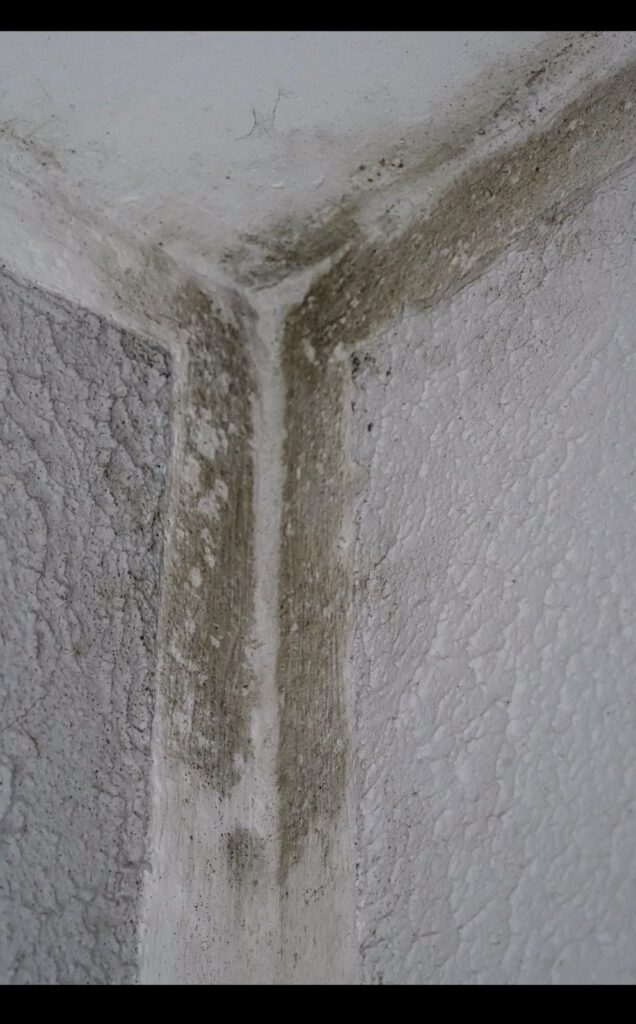
Hidden Mold Problems in Viera: What Homeowners in Brevard County Should KnowViera homes are often newer, well-planned, and beautifully built — which is exactly why hidden mold problems catch homeowners off guard. Many people assume mold is only an issue in older houses or after obvious flooding. In reality, some of the worst mold problems in Brevard County are hidden, growing quietly behind walls, under floors, or inside HVAC systems in homes that look perfectly fine on the surface.In Viera’s warm, humid climate, mold doesn’t need a dramatic water event to thrive. Subtle moisture, condensation, and trapped humidity are often enough.This guide explains where hidden mold hides in Viera homes, why it’s so common, how to recognize the warning signs, and what homeowners can do before minor moisture turns into a major remediation project.⸻Why Hidden Mold Is So Common in Viera HomesHidden mold isn’t about neglect — it’s about Florida conditions combined with modern construction.Several factors make Viera homes especially vulnerable: • High humidity year-round • Heavy reliance on air conditioning • Tightly sealed homes that trap moisture • Condensation inside walls and ductwork • Roof, plumbing, or AC issues that aren’t immediately visible • Storm-driven rain during hurricane seasonEven newer homes can develop mold if moisture becomes trapped and stays there for 48–72 hours.⸻The Biggest Myth About Mold: “I’d See It”One of the most common misconceptions homeowners have is that mold is obvious. In reality, visible mold is often the last stage of a much bigger problem.Hidden mold grows in places you don’t normally inspect, such as: • Inside wall cavities • Beneath flooring materials • Behind cabinets and vanities • Inside air handlers and ductwork • In attics and crawl spaces • Around windows and door framesBy the time mold shows up on a wall or ceiling, it’s often been growing unnoticed for weeks or months.⸻Common Places Hidden Mold Grows in Viera HomesBehind DrywallMoisture from small plumbing leaks, roof issues, or condensation can soak drywall from the inside. The surface may look normal while mold grows behind it.Under FlooringTile, laminate, and vinyl flooring can trap moisture underneath. Mold grows in the padding or subfloor, completely hidden from view.HVAC SystemsAir handlers, drip pans, and ductwork collect condensation. If drainage or insulation isn’t perfect, mold can grow and spread spores throughout the home every time the AC runs.AtticsWarm, humid attic air meets cooler roof decking, especially in homes with limited ventilation. Mold in attics is extremely common in Brevard County and often goes unnoticed for years.ClosetsClosets on exterior walls with little airflow trap humidity. Mold may grow on drywall, wood shelving, shoes, and clothing before homeowners realize anything is wrong.Cabinets and VanitiesSlow leaks under sinks or behind appliances create ideal hidden mold conditions, especially in kitchens and bathrooms.⸻Early Warning Signs of Hidden MoldHidden mold usually gives subtle clues long before it becomes visible. Pay attention to these signs: • Persistent musty or earthy odors • Smells that get stronger when the AC runs • Allergy or asthma symptoms indoors • Headaches or fatigue at home • Bubbling paint or peeling drywall • Warped baseboards or flooring • Condensation that never seems to dry • Rooms that feel damp or “heavy”If symptoms improve when you leave the house, indoor air quality — often impacted by hidden mold — may be the cause.⸻Why Viera’s Climate Makes Hidden Mold WorseFlorida’s climate accelerates mold growth faster than most homeowners expect.Key factors include: • Indoor humidity frequently above 60% • Long cooling seasons • Warm temperatures year-round • Afternoon storms and heavy rain • High groundwater levelsEven without a leak, condensation alone can feed mold growth. AC systems cool air quickly, causing moisture to form on ducts, vents, and walls — especially in poorly ventilated spaces.⸻Is Hidden Mold Dangerous?Not all mold produces toxins, but all indoor mold can impact health.Potential effects include: • Sneezing and nasal congestion • Chronic coughing or throat irritation • Asthma flare-ups • Eye irritation • Skin rashes • Headaches and fatigueChildren, elderly adults, pets, and anyone with respiratory conditions are more sensitive to long-term exposure.The biggest risk with hidden mold is extended exposure, since homeowners may not realize there’s a problem for a long time.⸻How Professionals Find Hidden MoldHidden mold requires more than a flashlight and guesswork.Professional inspections often include: • Moisture meters to detect damp materials • Thermal imaging to identify temperature differences caused by moisture • HVAC system inspections • Attic and crawl space evaluations • Targeted wall or ceiling checks near plumbing and exterior wallsThese tools help locate mold before walls are opened unnecessarily.⸻Mold Testing: Is It Necessary?Mold testing can be helpful, but it’s not always required.Testing may be useful when: • Mold is suspected but not visible • Documentation is needed for insurance • Health symptoms are unexplained • Buyers or sellers need confirmation during real estate transactionsTesting alone doesn’t fix the problem. Moisture control and proper remediation always come first.⸻DIY Cleaning vs. Professional RemediationHidden mold is rarely a good DIY project.DIY Might Be OK If: • Mold is small and visible • Mold is on non-porous surfaces • Moisture source is clearly identified and fixed • Mold hasn’t returned beforeProfessional Help Is Needed If: • Mold is behind walls or under floors • HVAC systems are involved • Mold keeps coming back • Multiple rooms are affected • Health symptoms are present • Water damage occurred in the pastHidden mold almost always returns if the underlying moisture issue isn’t properly corrected.⸻Why Mold Keeps Coming Back in Some Viera HomesRecurring mold usually means moisture is still present somewhere.Common causes include: • AC systems short-cycling • Poor attic ventilation • Leaky ductwork pulling humid air inside • Inadequate insulation • Undetected plumbing leaks • Improper drying after storms or repairsProfessional remediation focuses on both removal and prevention, not just surface cleaning.⸻Preventing Hidden Mold in Viera HomesControl Humidity • Keep indoor humidity between 45–55% • Use dehumidifiers in problem areas • Monitor humidity with digital hygrometersMaintain HVAC Systems • Replace filters regularly • Clean drain lines • Insulate ductwork • Schedule periodic inspectionsImprove Ventilation • Run bathroom and kitchen exhaust fans • Keep doors open for airflow when possible • Avoid blocking vents with furnitureInspect Regularly • Check under sinks and appliances • Inspect attic spaces yearly • Watch for stains or discoloration • Address leaks immediatelyBe Proactive After Storms • Dry affected areas quickly • Use fans and dehumidifiers • Inspect hidden spaces weeks after heavy rain⸻Insurance and Hidden MoldInsurance coverage depends on the cause.✔ Mold may be covered if caused by a sudden, documented event✖ Mold is usually excluded if caused by long-term humidity or maintenance issuesPrompt reporting and documentation are critical.⸻Final Thoughts for Viera HomeownersHidden mold is one of the most overlooked problems in Brevard County homes — especially in well-maintained neighborhoods like Viera.Key takeaways: • Mold doesn’t need visible water damage • Hidden moisture is the real enemy • Odors and health symptoms are early clues • Prevention focuses on moisture control • Professional inspections can catch problems earlyIf something feels “off” in your home — a smell, a symptom, or recurring moisture — trust that instinct. Catching hidden mold early can save thousands in repairs and protect your indoor air quality long-term.