
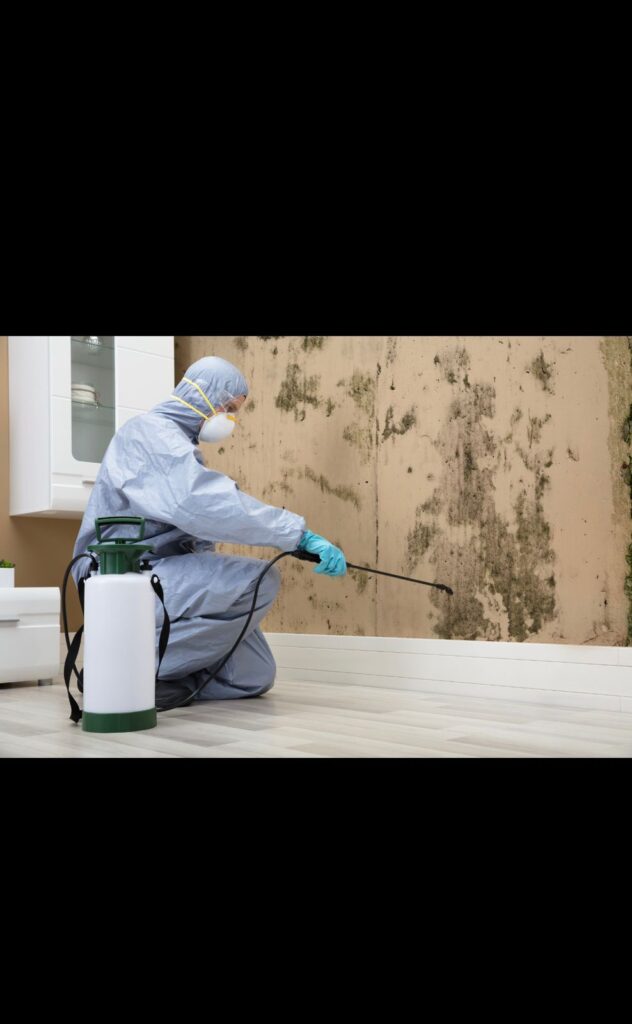
Mold Remediation in West Melbourne: What Homeowners in Brevard County Should KnowWest Melbourne homeowners enjoy a central Brevard County location, newer neighborhoods, and steady development — but mold remediation remains a common issue across both older and newer homes. Florida’s humidity, heavy rain, and constant air-conditioning use create the perfect environment for mold to grow, often long before you see it.Mold remediation is more than surface cleaning. It’s a structured process designed to remove mold safely, stop moisture at the source, and prevent regrowth. This guide explains how mold remediation works in West Melbourne, when it’s needed, what homeowners should expect, and how to avoid repeat problems.⸻Why Mold Is Common in West Melbourne HomesWest Melbourne may not sit directly on the ocean, but it still faces the same mold-driving conditions as the rest of Brevard County: • High humidity much of the year • Heavy rainfall and storm activity • Warm temperatures that accelerate mold growth • Condensation from frequent AC use • Slab foundations and enclosed attics • Newer construction that can trap moistureMold doesn’t require a flood. Small leaks, condensation, or elevated humidity can be enough if moisture remains for 24–48 hours.⸻Mold Remediation vs. Mold Removal: What’s the Difference?These terms are often used interchangeably, but they’re not the same.Mold Removal • Focuses on eliminating visible mold • Often involves cleaning or removing materials • Does not always address the underlying moisture issueMold Remediation • Identifies and fixes moisture sources • Contains affected areas to prevent spread • Removes contaminated materials safely • Cleans remaining surfaces with proper filtration • Implements steps to prevent mold from returningRemediation is the long-term solution, not just a temporary fix.⸻Common Mold Problems Found in West Melbourne HomesHVAC SystemsAir handlers, drip pans, and ductwork collect condensation. Mold here can spread spores throughout the home whenever the AC runs.BathroomsSteam and poor ventilation lead to mold on ceilings, walls, and inside wall cavities behind tubs and showers.AtticsWarm attic air meeting cooler roof decking causes condensation. Attic mold is one of the most overlooked problems in Brevard County.Under FlooringMoisture trapped beneath laminate, vinyl, or tile flooring allows mold to grow unseen in padding or subfloors.Kitchens and Laundry RoomsSlow plumbing leaks under sinks or behind appliances often cause hidden mold.⸻How Fast Mold Grows in West MelbourneIn Florida’s climate, mold growth can begin within 24–48 hours after materials become wet. Growth accelerates when: • Indoor humidity stays above 60% • Power outages stop AC systems • Wet materials aren’t dried quickly • Storm damage isn’t addressed promptlyThat’s why mold problems often appear days or weeks after heavy rain, not immediately.⸻When Mold Remediation Is NecessaryMold remediation is recommended when: • Mold covers more than 10 square feet • Mold is inside walls, ceilings, or HVAC systems • Mold keeps returning after cleaning • Multiple rooms are affected • Water damage or flooding occurred • Health symptoms are present • Strong mold odors persist without visible growthIn these situations, DIY cleaning usually doesn’t solve the problem.⸻What Professional Mold Remediation Typically InvolvesA proper mold remediation process usually includes:Inspection & Moisture Detection • Identifying affected areas • Locating moisture sources such as leaks or condensationContainment • Sealing off affected areas • Preventing mold spores from spreading to clean spacesRemoval of Contaminated Materials • Removing drywall, insulation, carpet, or wood when necessary • Porous materials often cannot be salvagedCleaning & HEPA Filtration • HEPA vacuuming of surfaces • Cleaning remaining materials • Air filtration to reduce airborne sporesDrying & Prevention • Dehumidifiers and air movers • Repairs to stop future moisture intrusion • Recommendations to prevent recurrenceThe goal is safe removal plus long-term prevention.⸻DIY Mold Cleaning vs. Professional RemediationDIY May Be Appropriate If: • Mold area is smaller than 10 square feet • Mold is on non-porous surfaces • Moisture source is known and fixed • Mold has not returned beforeProfessional Remediation Is Needed If: • Mold is hidden behind walls or under floors • HVAC systems are affected • Mold spreads quickly or returns • Health issues are present • Storm or plumbing damage occurredHidden mold almost always comes back if moisture isn’t properly addressed.⸻Health Concerns Linked to Mold ExposureIndoor mold may contribute to: • Sneezing and nasal congestion • Coughing or throat irritation • Asthma flare-ups • Headaches and fatigue • Eye or skin irritationChildren, elderly adults, pets, and those with respiratory conditions are especially sensitive to prolonged exposure.⸻Mold Remediation After Storms in West MelbourneHeavy rain and tropical systems often cause hidden moisture problems, even without visible flooding.Post-storm remediation may be needed if: • Water entered walls or attics • Roof damage occurred • Power outages raised indoor humidity • Musty odors appeared weeks laterEarly remediation prevents mold from spreading and reduces long-term repair costs.⸻Insurance and Mold RemediationCoverage depends on the cause of mold.✔ Mold may be covered if caused by a sudden, documented event✖ Mold is often excluded if caused by long-term humidity or maintenance issuesPrompt documentation improves the chances of coverage: • Photos of damage • Repair records • Drying efforts • Inspection reports⸻Why Mold Often Returns After RemediationIf mold comes back, moisture is usually still present.Common causes include: • High indoor humidity • Poor attic ventilation • Leaky ductwork • AC systems short-cycling • Undetected plumbing leaks • Inadequate drying after water damageEffective remediation always includes moisture control planning.⸻Preventing Mold in West Melbourne HomesControl Humidity • Keep indoor humidity between 45–55% • Use dehumidifiers as needed • Monitor levels with digital hygrometersMaintain HVAC Systems • Replace filters regularly • Clean drain lines • Insulate ductwork • Schedule routine inspectionsImprove Ventilation • Use bathroom and kitchen exhaust fans • Allow airflow in closets • Avoid blocking ventsInspect Regularly • Check under sinks and appliances • Inspect attics annually • Address leaks immediately⸻Final Thoughts for West Melbourne HomeownersMold remediation isn’t just about cleaning mold — it’s about fixing the conditions that allow mold to grow.Key takeaways: • Mold grows fast in Florida’s climate • Hidden moisture is the real problem • DIY cleaning has limits • Professional remediation focuses on prevention • Early action saves money and protects healthIf you suspect mold in your West Melbourne home, addressing it early — before it spreads or returns — can make a major difference in both cost and indoor air quality.