
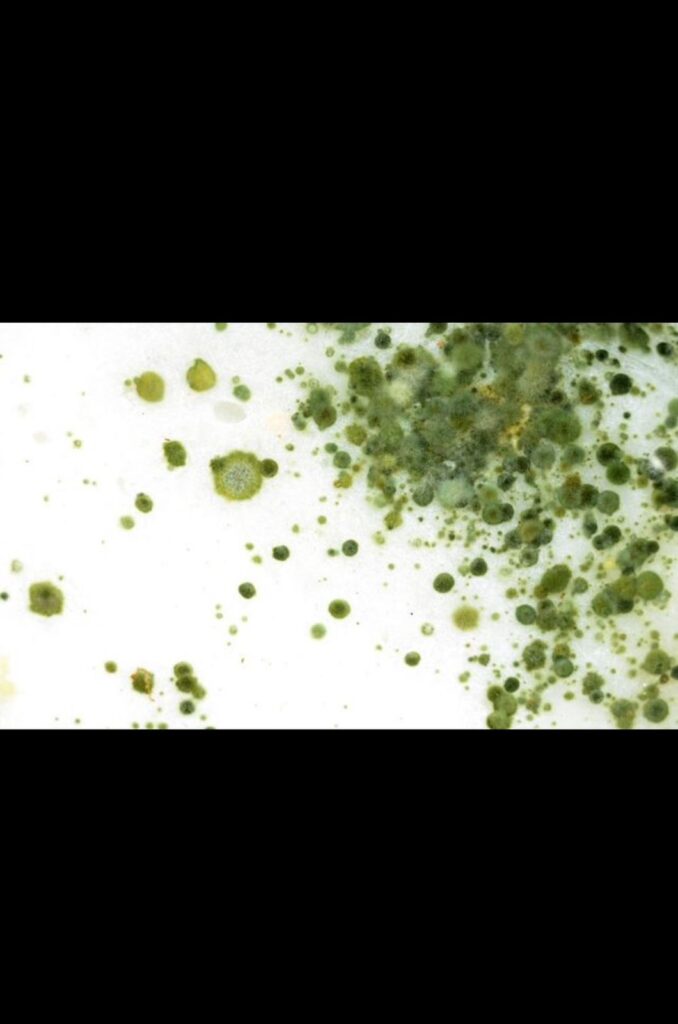
Mold Health Effects in Cocoa: What Homeowners in Brevard County Should KnowMold isn’t just a property issue — it’s a health issue, especially in humid Florida communities like Cocoa. Many homeowners focus on stains or odors and miss the bigger picture: how mold affects the people living in the home. In Brevard County’s warm, moisture-heavy climate, mold can grow quietly for weeks or months, exposing families long before it’s ever seen.This guide breaks down how mold impacts health, who’s most at risk, what symptoms to watch for, and why early action matters for Cocoa homeowners.⸻Why Mold Exposure Is Common in Cocoa HomesCocoa’s environment creates ideal conditions for indoor mold: • High humidity much of the year (often above 60%) • Heavy rainfall and tropical systems • Hurricanes and wind-driven rain • Constant air-conditioning use causing condensation • Slab foundations and enclosed attics • Older homes mixed with newer, tightly sealed constructionMold doesn’t require a flood. Persistent humidity, condensation, or a small hidden leak can be enough if moisture lingers for 24–48 hours.⸻How Mold Affects the Human BodyMold releases spores, fragments, and sometimes mycotoxins into the air. When inhaled or touched, these can irritate or inflame the body — especially with repeated exposure.Health effects depend on: • Amount of mold present • Length of exposure • Whether mold is hidden and widespread • Individual sensitivity and existing conditionsFor many people, symptoms build gradually, which makes mold exposure easy to overlook.⸻Common Health Symptoms Linked to Mold ExposureRespiratory Symptoms • Sneezing and nasal congestion • Coughing or throat irritation • Shortness of breath • Wheezing • Chest tightnessAllergy-Like Reactions • Itchy or watery eyes • Runny nose • Skin rashes • Sinus pressureAsthma-Related Issues • Increased asthma attacks • More frequent inhaler use • Nighttime breathing problems • Symptoms worsening indoorsGeneral & Neurological-Type Symptoms • Headaches • Fatigue • Brain fog or difficulty concentrating • Dizziness • Nausea in sensitive individualsMany homeowners notice that symptoms improve when they leave the house — a major red flag for indoor air quality problems.⸻Who Is Most Vulnerable to Mold in Cocoa Homes?While mold can affect anyone, certain groups are more sensitive: • Children (developing immune and respiratory systems) • Elderly adults • People with asthma or allergies • Individuals with weakened immune systems • Pets (often show symptoms earlier than humans)For these groups, even moderate mold exposure can lead to more severe or persistent symptoms.⸻Hidden Mold = Prolonged ExposureOne of the biggest health risks comes from hidden mold, because exposure continues unnoticed.Common hidden locations in Cocoa homes include: • Inside wall cavities • Under flooring • Behind cabinets and vanities • Inside HVAC systems and ductwork • Attics with condensation issues • Closets on exterior wallsHidden mold often causes chronic, unexplained symptoms rather than sudden reactions.⸻Mold vs. “Toxic Mold”: What Matters for HealthHomeowners often worry specifically about “toxic mold.” While some molds can produce mycotoxins, all indoor mold can impact health under the right conditions.Key facts: • Color does not determine danger • Not all black mold is toxic • Some non-black molds can still cause symptoms • Moisture and exposure time matter more than mold typeFrom a health perspective, any ongoing mold exposure should be addressed.⸻Why Mold Symptoms Are Often MisdiagnosedMold-related symptoms frequently mimic: • Seasonal allergies • Sinus infections • Common colds • Stress or fatigue • Asthma triggersBecause symptoms can come and go, many people don’t connect them to their home. If multiple household members feel worse indoors, mold should be considered as a possible factor.⸻Can Mold Make You Seriously Sick?For most healthy adults, mold exposure causes irritation rather than severe illness. However, long-term exposure can worsen conditions like asthma, chronic sinus issues, or respiratory infections.More serious effects may occur when: • Exposure lasts months or years • Mold is widespread or hidden • Individuals are medically vulnerable • HVAC systems distribute spores throughout the homeThis is why early detection and moisture control are so important.⸻Mold Health Symptoms in PetsPets often show signs before humans do, including: • Sneezing or coughing • Lethargy • Excessive scratching • Respiratory distress • Changes in behaviorIf pets seem unwell at home but improve elsewhere, indoor mold could be contributing.⸻Mold Inspections & Health ConcernsWhen health symptoms are present, inspections focus on finding moisture and hidden mold, not just visible spots.A proper inspection may include: • Moisture readings in walls and ceilings • HVAC and air handler inspection • Attic and crawl space checks • Identification of condensation patterns • Recommendations to reduce exposureTesting may help document exposure, but fixing moisture is always the priority.⸻DIY Cleaning and Health RisksCleaning small, surface mold may help temporarily — but improper DIY efforts can increase exposure.Risks include: • Releasing spores into the air • Cross-contaminating other rooms • Inadequate removal from porous materials • Mold returning due to unresolved moistureIf health symptoms are present, professional evaluation is often safer.⸻Improving Indoor Air Quality in Cocoa HomesControl Humidity • Keep indoor humidity 45–55% • Use dehumidifiers in problem areas • Monitor with digital hygrometersMaintain HVAC Systems • Replace filters regularly • Clean drain lines • Insulate ductwork • Schedule routine inspectionsImprove Ventilation • Run bathroom and kitchen exhaust fans • Allow airflow in closets • Avoid blocking ventsAddress Moisture Quickly • Fix leaks immediately • Dry wet materials within 24–48 hours • Inspect hidden spaces after storms⸻Insurance and Health-Related Mold ConcernsInsurance typically focuses on property damage, not health symptoms.✔ Mold may be covered if caused by a sudden, documented event✖ Mold is often excluded if caused by long-term humidity or maintenance issuesHealth documentation can still support decision-making, even if coverage is limited.⸻When to Take Mold Health Concerns SeriouslyConsider professional help if: • Symptoms persist or worsen indoors • Multiple household members are affected • Mold odors are present without visible growth • HVAC systems smell musty • DIY cleaning hasn’t helped • You’ve had past leaks, flooding, or storms⸻Final Thoughts for Cocoa HomeownersMold health effects are often subtle, cumulative, and overlooked — especially in humid areas like Cocoa.Key takeaways: • Mold affects more than just walls and ceilings • Hidden mold leads to prolonged exposure • Symptoms often mimic common illnesses • Children, elderly adults, pets, and asthmatics are most vulnerable • Moisture control is the foundation of preventionIf you suspect mold may be affecting your health or your family’s well-being, addressing the issue early can protect both your home and your quality of life.