
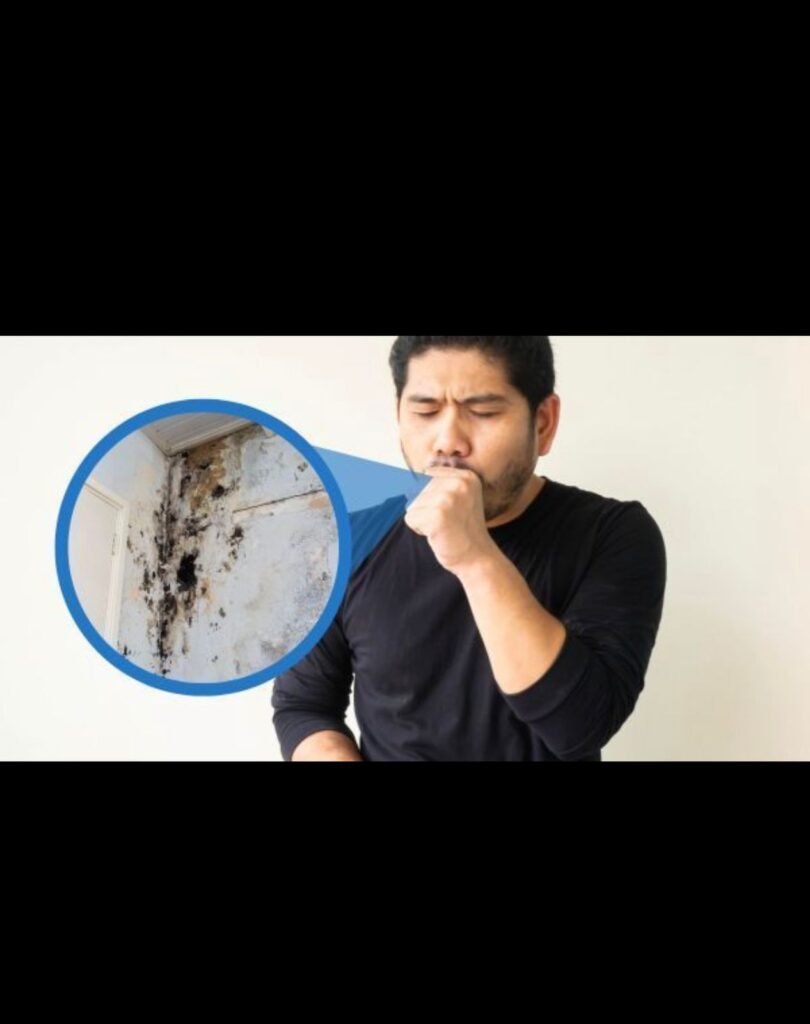
Mold After Water Damage in Merritt Island: What Homeowners in Brevard County Should KnowWater damage is stressful on its own — but in Merritt Island, the bigger problem often shows up after the water is gone. Mold growth following water damage is one of the most common (and costly) issues homeowners face in Brevard County. Because of our humidity, warm temperatures, and coastal moisture, mold can begin growing fast, often before everything looks “dry.”This guide explains why mold follows water damage, where it hides in Merritt Island homes, how quickly it develops, warning signs to watch for, and what homeowners should do to prevent small water problems from turning into major mold remediation projects.⸻Why Water Damage Leads to Mold So Quickly in Merritt IslandMold needs three things to grow: • Moisture • Warmth • Organic materials (drywall, wood, insulation, carpet)After water damage, Merritt Island homes usually have all three.Local factors that speed mold growth include: • High humidity year-round • Proximity to the Indian River and surrounding waterways • Heavy rain and tropical storms • Hurricanes and wind-driven rain • Constant AC use creating condensation • Slab foundations and enclosed wall cavitiesEven minor water damage can create mold if materials stay damp for more than 24–48 hours.⸻Common Causes of Water Damage in Merritt Island HomesMany homeowners think water damage means flooding — but mold often starts from much smaller events.Common local causes include: • Roof leaks after storms • Plumbing leaks under sinks or behind walls • AC drain line backups or overflows • Water heater failures • Appliance leaks (washers, dishwashers, refrigerators) • Window or door leaks from wind-driven rain • Flooding from heavy rainfall or poor drainageIf water enters a space you can’t easily see, mold risk increases dramatically.⸻How Fast Mold Grows After Water DamageIn Merritt Island’s climate: • Mold can begin growing in 24–48 hours • Growth accelerates if power is out • High humidity speeds spread • Hidden moisture allows mold to grow unnoticedThat’s why mold problems often appear days or even weeks after the original water event — once odors, stains, or health symptoms start showing up.⸻Where Mold Hides After Water DamageBehind DrywallDrywall absorbs water like a sponge. Even if the surface dries, moisture can stay trapped inside wall cavities, allowing mold to grow unseen.Under FlooringWater can seep beneath tile, laminate, or carpet padding. Mold grows underneath where it’s not visible until floors warp or odors develop.HVAC SystemsIf water damage affects AC systems or humidity spikes after outages, mold can grow inside air handlers, drip pans, and ductwork — spreading spores throughout the home.AtticsRoof leaks often soak insulation and roof decking. Attic mold is extremely common after storms and often missed during cleanup.Cabinets and VanitiesSlow plumbing leaks under sinks or behind appliances create perfect hidden mold conditions.ClosetsClosets near affected areas trap moisture and have poor airflow, allowing mold to spread quietly.⸻Warning Signs of Mold After Water DamageMold doesn’t always show itself immediately. Watch for: • Musty or earthy odors • Peeling or bubbling paint • Discoloration on ceilings or walls • Warped baseboards or flooring • Mold smells when the AC turns on • Increased allergy or asthma symptoms • Rooms that feel damp or heavyIf your home smells “off” after water damage, that’s often the first sign of hidden mold.⸻Why Mold Often Appears Weeks LaterMany Merritt Island homeowners believe the danger has passed once water is removed. Unfortunately, mold often appears later because: • Materials were not dried thoroughly • Insulation stayed damp • Walls were closed too quickly • Dehumidification stopped too soon • Attics or HVAC systems weren’t inspected • Humidity stayed elevated long-termMold can remain hidden until conditions allow it to become visible or noticeable.⸻DIY Drying vs. Professional Water Damage ResponseDIY May Be Enough If: • Water damage was very small • All affected materials were dried within 24–48 hours • No drywall, insulation, or flooring was soaked • No musty odors developed afterwardProfessional Help Is Recommended If: • Drywall or insulation got wet • Flooding or roof leaks occurred • Water affected multiple rooms • Power outages delayed drying • Musty smells appear days later • Mold keeps returningProfessional drying focuses on hidden moisture, not just visible water.⸻Mold Testing After Water Damage: Is It Necessary?Mold testing isn’t always required, but it can be useful when: • Mold is suspected but not visible • Odors persist after drying • Insurance documentation is needed • Health symptoms appear • Buyers or sellers need confirmationTesting alone doesn’t fix mold — moisture control and remediation do.⸻Health Risks of Post-Water Damage MoldProlonged exposure to mold may contribute to: • Sneezing and congestion • Coughing or throat irritation • Asthma flare-ups • Headaches and fatigue • Eye or skin irritationChildren, elderly adults, pets, and people with respiratory conditions are especially sensitive — and hidden mold increases exposure time.⸻Insurance and Mold After Water Damage in FloridaCoverage depends on the cause and timing.✔ Mold may be covered if caused by a sudden, documented water event (burst pipe, storm damage)✖ Mold is usually not covered if caused by delayed drying, long-term leaks, or maintenance issuesDocument everything: • Photos of water damage • Drying equipment use • Repair timelines • Inspection reportsPrompt action improves the chances of coverage.⸻Preventing Mold After Water Damage in Merritt IslandAct Fast • Begin drying immediately • Use fans, AC, and dehumidifiers • Don’t assume surfaces are dry insideControl Humidity • Keep indoor humidity below 55% • Run dehumidifiers for weeks after damage • Monitor with digital hygrometersInspect Hidden Areas • Check attics after roof leaks • Inspect behind baseboards • Look under cabinets and flooring • Pay attention to closets near damageAddress Repairs Properly • Replace water-damaged drywall and insulation • Don’t seal walls until fully dry • Fix leaks completely, not temporarily⸻Why Mold Keeps Coming Back After Water DamageRecurring mold usually means moisture is still present somewhere.Common reasons include: • Incomplete drying • Wet insulation left in place • Hidden leaks • Poor ventilation • High indoor humidity • HVAC condensation issuesMold removal without moisture correction is only a temporary fix.⸻Final Thoughts for Merritt Island HomeownersWater damage doesn’t end when the water disappears — that’s often when mold begins.Key takeaways: • Mold can grow within 24–48 hours • Hidden moisture is the biggest threat • Odors are early warning signs • Delayed drying leads to bigger problems • Early action saves money and protects healthIf your Merritt Island home has experienced water damage — even minor — staying proactive with drying, inspections, and humidity control can prevent mold from becoming the long-term problem that lingers long after the water is gone.