
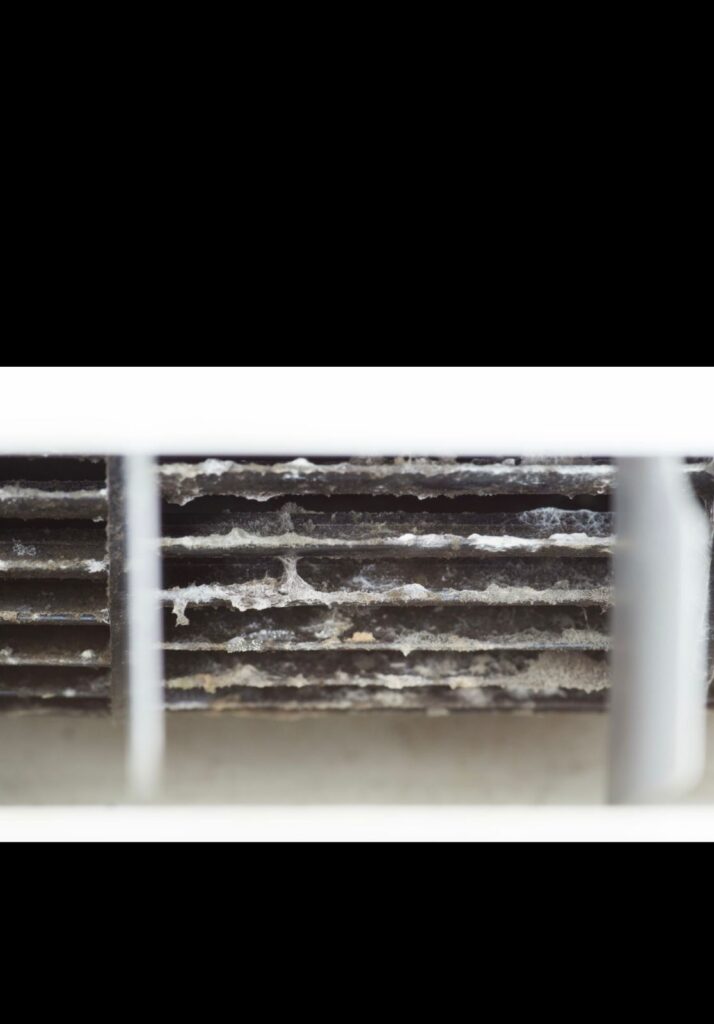
tMold in HVAC Systems in Titusville: What Homeowners in Brevard County Should KnowWhen homeowners in Titusville deal with mold, they often check bathrooms, walls, or closets — but one of the most common and overlooked mold sources is the HVAC system. Because your air conditioner runs almost year-round in Brevard County, it constantly handles moisture. If that moisture isn’t managed perfectly, mold can begin growing inside the system that circulates air throughout your entire home.This guide explains why HVAC mold is so common in Titusville, where it hides, how it affects indoor air quality and health, warning signs to watch for, and what homeowners can do to prevent it.⸻Why HVAC Mold Is Common in Titusville HomesTitusville’s climate creates ideal conditions for HVAC-related mold: • High humidity most of the year • Constant AC operation • Condensation forming on cold components • Warm outdoor air meeting cool indoor surfaces • Power outages during storms that raise indoor humidity • Older HVAC systems mixed with newer, high-efficiency unitsYour HVAC system naturally produces moisture. Mold problems start when that moisture doesn’t drain, dry, or ventilate properly.⸻How Mold Develops Inside HVAC SystemsAir conditioners remove humidity from the air. That moisture collects inside the system — and if anything goes wrong, mold can grow quickly.Common triggers include: • Clogged or slow AC drain lines • Standing water in drip pans • Poor airflow or dirty filters • Insufficient insulation on ductwork • Short-cycling systems that don’t dehumidify well • Extended power outages after stormsMold can begin growing within 24–48 hours if moisture remains inside the system.⸻Common Places Mold Grows in HVAC SystemsAir HandlerThe air handler is ground zero for HVAC mold. Condensation forms here constantly, making it a prime mold location if drainage is poor.Drip PanStanding water in drip pans creates a perfect breeding ground for mold and bacteria.Evaporator CoilDirt buildup on coils traps moisture and organic debris, feeding mold growth.DuctworkMold can grow inside ducts if condensation forms or humid air is pulled in through leaks — then spread spores throughout the home.Supply VentsDark buildup or musty odors around vents often indicate mold deeper inside the system.⸻Warning Signs of Mold in Your HVAC SystemHVAC mold often reveals itself through air quality changes, not visible growth.Watch for: • Musty or earthy smells when AC turns on • Odors stronger after the system cycles • Allergy or asthma symptoms indoors • Headaches or fatigue at home • Visible buildup around vents • Excess condensation near air handler • Mold returning after cleaning roomsIf symptoms improve when you leave the house, HVAC-related mold may be contributing.⸻Health Effects of HVAC Mold ExposureBecause HVAC systems distribute air throughout the home, mold inside them can cause widespread exposure.Possible effects include: • Sneezing and nasal congestion • Coughing or throat irritation • Asthma flare-ups • Eye irritation • Headaches and fatigue • Worsening symptoms in children, elderly adults, and petsHVAC mold often causes ongoing, low-level exposure, which is why symptoms can feel chronic or unexplained.⸻HVAC Mold vs. Dust: How to Tell the DifferenceNot all dark buildup around vents is mold — but some signs point toward a problem.Likely mold: • Musty odors • Slimy or fuzzy growth • Black, green, or brown staining • Recurring buildup after cleaningLikely dust: • Dry, gray buildup • No odor • Easily wipes away • Doesn’t return quicklyIf odors are present, mold should be considered.⸻Can You Clean HVAC Mold Yourself?Light surface dust around vents can be cleaned — but HVAC mold is rarely a safe DIY job.DIY cleaning may be risky because: • Mold spores can be spread through ducts • Improper cleaning damages components • Moisture issues remain unresolved • Mold quickly returnsProfessional HVAC mold remediation focuses on cleaning, moisture correction, and prevention, not just wiping surfaces.⸻What Professional HVAC Mold Remediation InvolvesA proper approach typically includes: • Inspection of air handler, coils, and ducts • Moisture source identification • Drain line and drip pan cleaning • HEPA vacuuming where appropriate • Antimicrobial treatments (when needed) • Duct sealing or insulation improvements • Humidity control recommendationsThe goal is to stop mold at the source, not just remove visible buildup.⸻Mold Testing for HVAC Systems: Is It Necessary?Testing can be useful when: • Odors persist without visible mold • Health symptoms are unexplained • Documentation is needed for insurance • Mold keeps returning after cleaningTesting alone does not fix HVAC mold — moisture control does.⸻HVAC Mold After Storms and Power OutagesAfter storms in Titusville: • Power outages stop AC systems • Indoor humidity spikes • Condensation builds inside units • Mold may develop unnoticedMold odors often appear days or weeks later, once systems resume normal operation.Post-storm HVAC inspections can prevent long-term problems.⸻Preventing Mold in HVAC SystemsControl Indoor Humidity • Keep indoor humidity 45–55% • Use dehumidifiers when needed • Monitor with digital hygrometersMaintain Your HVAC System • Replace filters regularly • Clean drain lines routinely • Keep drip pans draining properly • Schedule professional maintenanceImprove Insulation & Airflow • Insulate ductwork in attics and garages • Seal duct leaks • Avoid blocking ventsAct Quickly After Water Events • Resume AC and dehumidification as soon as power returns • Inspect air handlers after storms • Address condensation immediately⸻Insurance and HVAC MoldInsurance coverage depends on cause: • ✔ Mold may be covered if tied to a sudden, documented event • ✖ Mold is usually excluded if caused by long-term humidity or lack of maintenanceDocumentation helps if coverage applies.⸻Final Thoughts for Titusville HomeownersHVAC mold is one of the most impactful indoor air quality issues in Brevard County homes — because it spreads through the air you breathe every day.Key takeaways: • HVAC systems naturally create moisture • Mold can grow quickly if drainage fails • Odors are early warning signs • DIY cleaning has serious limits • Prevention focuses on moisture and maintenanceIf your Titusville home smells musty when the AC runs or indoor air quality feels off, your HVAC system may be the hidden source. Addressing it early protects your health, your comfort, and your home long-term.