
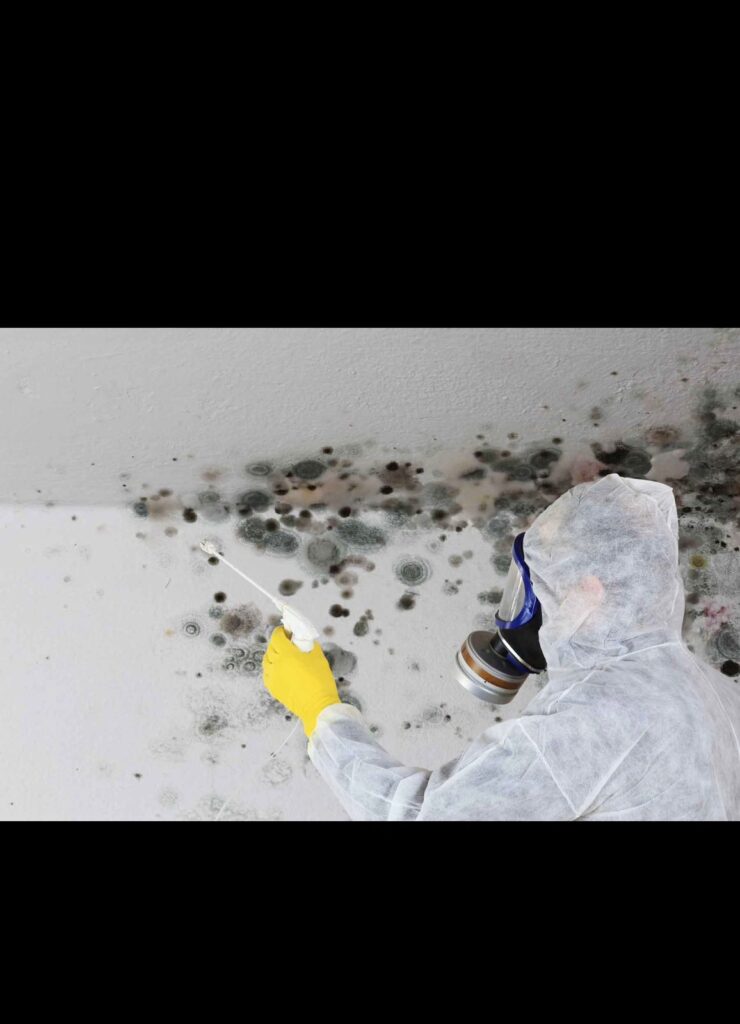
Mold Remediation in West Melbourne: What Homeowners in Brevard County Should Know
Mold doesn’t just mar your walls — it can compromise your home’s structure and your family’s health. In West Melbourne and throughout Brevard County, the warm, humid climate makes mold growth a common challenge for homeowners. This guide breaks down everything you need to know about spotting, addressing, and preventing mold effectively.
⸻
🌴 Why Mold Is So Common in West Melbourne Homes
The weather here plays a big role:
• High humidity year-round — Brevard County humidity levels often stay above 60%, which makes indoor spaces ideal for mold.
• Storms and heavy rain events — Frequent rain and occasional tropical storms can introduce moisture into attics, crawl spaces, and basements.
• Plumbing and roof leaks — Even small leaks become mold hotspots over time.
• Poor ventilation in bathrooms, kitchens, and laundry areas traps moisture inside.
Key idea: Moisture is mold’s fuel — wherever moisture sits, mold eventually follows.
⸻
🧠 Recognizing Mold Early: What to Look For
Mold doesn’t always announce itself with dramatic scenes. Here’s how to spot it:
Visual Clues
• Dark spots or patches on walls, ceilings, or floors
• Staining behind furniture, under sinks, or near vents
• Discoloration on drywall and baseboards
Scent Clues
• Musty, damp odors — especially in closets, basements, or storage areas
Symptoms in People
• Sneezing, coughing, irritated eyes, or respiratory flare-ups when at home
Tip: Just because you can’t see mold doesn’t mean it isn’t lurking. Mold thrives in hidden spaces like behind drywall or under carpet padding.
⸻
🆚 Mold vs. Mildew — Quick Breakdown
Feature Mildew Mold
Appearance Light gray/white, powdery Darker, fuzzy or slimy
Penetration Surface level Grows into materials
Risk Level Lower Higher, especially long-term
Common Locations Showers, window sills Walls, flooring, HVAC
Bottom line: If growth is deep, spreading, or returning after cleaning — treat it as mold and address it thoroughly.
⸻
🛠️ When DIY Isn’t Enough
You might be able to clean a small patch of mold on a non-porous surface (like tile) with cleaners — but that’s the surface only.
The problem with DIY:
• Incomplete removal of spores
• Disturbing mold without containment, spreading spores
• Not identifying the moisture source
• Risk of exposure to harmful molds
For widespread growth, behind walls, or in HVAC systems, professional remediation is safer and more effective.
⸻
🧩 What Professional Mold Remediation Involves
A reputable mold remediation service will typically follow a structured approach:
- Comprehensive Inspection
Technicians use moisture meters and sometimes infrared cameras to find all affected areas — even hidden ones.
- Controlled Containment
They isolate affected spaces to prevent spores from spreading during the cleanup.
- Air Filtration
High-efficiency particulate air (HEPA) systems capture airborne spores.
- Safe Removal & Cleaning
Affected materials may be removed or cleaned with EPA-approved products that kill mold at the root.
- Drying & Moisture Control
Industrial dehumidifiers and drying techniques reduce humidity — essential for preventing return growth.
- Repairs & Prevention
Fixing leaks, improving ventilation, and repairing damaged materials help stop mold from coming back.
⸻
🧪 Is Mold Testing Necessary?
Not always.
If you see mold or smell a strong musty odor, professionals often recommend moving straight to remediation — especially if it’s widespread.
Testing can be useful when:
• You want documentation for insurance or real estate transactions
• You’ve had flooding or water damage but no visible mold
• You need to identify specific mold types for health reasons
Note: Mold testing without professional interpretation can be misleading — testing alone doesn’t fix the problem.
⸻
💰 Mold Remediation Costs in Brevard County
Costs vary based on:
• Size of the mold-affected area
• Type of surface (drywall vs. concrete vs. wood)
• Extent of hidden growth
• Moisture source complexity
Small surface cleanup might be a few hundred dollars, while extensive remediation (walls, HVAC, structural materials) can reach several thousand. Always ask for multiple estimates and a written scope of work.
⸻
🛡️ Mold & Homeowner Insurance Tips
Standard homeowners insurance policies vary in mold coverage:
✔️ Most policies cover mold from sudden, accidental events (like burst pipes)
❌ Usually don’t cover mold from neglect or long-term humidity issues
Helpful steps:
• Document mold with before/after photos
• Get written inspection and remediation reports
• Store all invoices
• Contact your insurance agent early if you plan to file
⸻
🏡 Preventing Mold — What Actually Works
Controlling moisture is your best defense:
⭐ Practical Prevention Tips
✔ Keep indoor humidity between 30–50%
✔ Use exhaust fans in kitchens, bathrooms, and laundry rooms
✔ Fix leaks immediately
✔ Ensure gutters and downspouts divert water away from the house
✔ Improve airflow in closets and crawl spaces
✔ Use dehumidifiers in damp areas
A hygrometer (humidity meter) is inexpensive and helps you monitor conditions before mold gets a foothold.
⸻
🏁 Final Thoughts
In West Melbourne and across Brevard County, humidity and moisture are part of life — but they don’t have to mean ongoing mold problems. Early detection, effective moisture control, and professional help when needed keep your home healthy and mold-free.
Would you like a ready-to-use mold prevention checklist tailored for Florida homes or tips for choosing a reputable remediation contractor? I can help with that!