
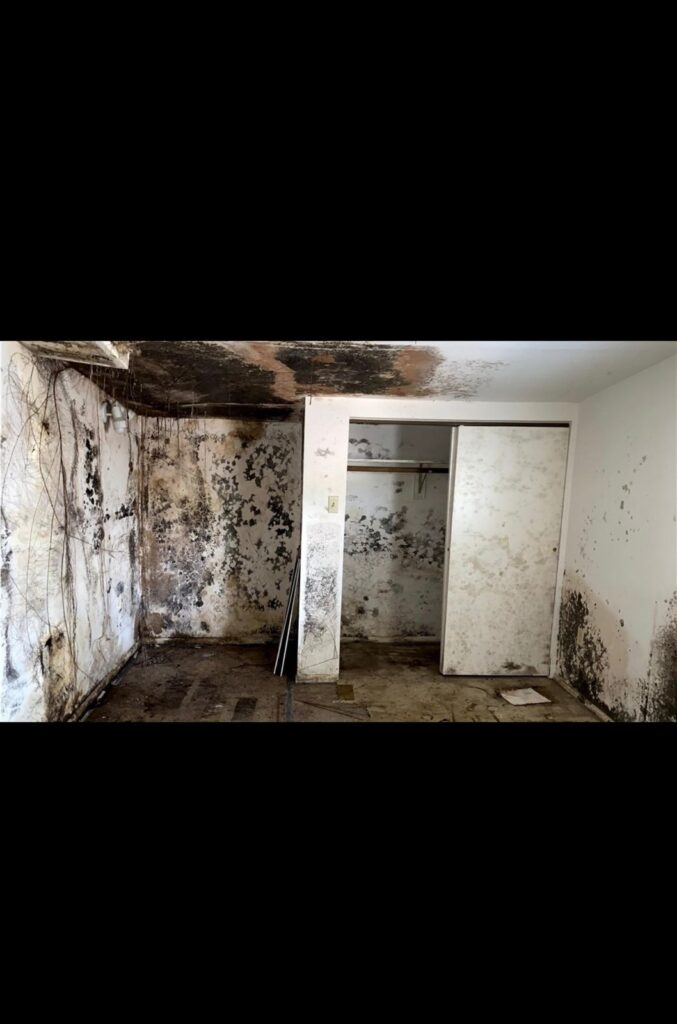
hToxic Mold in Palm Bay: What Homeowners in Brevard County Should KnowToxic mold is one of the most alarming issues a homeowner can face — and in Palm Bay and throughout Brevard County, it’s more common than many people realize. Between high humidity, frequent storms, aging homes, and hidden moisture problems, toxic mold can develop quietly and cause serious damage before anyone notices.The good news? Toxic mold problems are fixable when handled correctly. This guide explains what toxic mold really is, why Palm Bay homes are vulnerable, how to recognize warning signs, and what homeowners should do to protect their property and health.⸻What Is “Toxic Mold”?“Toxic mold” isn’t a single species — it’s a general term used for molds that produce mycotoxins, which can negatively affect indoor air quality and human health when exposure is prolonged.The most well-known toxic mold is Stachybotrys chartarum, often called black mold, but other mold types may also produce harmful byproducts under the right conditions.What toxic molds typically need to grow: • Persistent moisture • Organic materials (drywall, wood, insulation, carpet backing) • Poor ventilation • Time — toxic mold often develops slowly and unnoticedIt’s important to understand that any mold growth indoors is a problem, whether labeled “toxic” or not. The danger comes from ongoing exposure and continued moisture, not just the color or name.⸻Why Toxic Mold Is Common in Palm Bay HomesPalm Bay’s climate and housing characteristics create ideal conditions for mold growth.Environmental Factors • High year-round humidity • Frequent rain and storm activity • Warm temperatures that accelerate mold growth • Occasional flooding and water intrusionCommon Moisture Sources in Brevard County Homes • Roof leaks after storms • AC condensation and clogged drain lines • Plumbing leaks behind walls or under slabs • Poorly ventilated bathrooms and laundry rooms • Water intrusion around windows and doors • Older homes with aging materialsMany Palm Bay homes sit on slab foundations, which can trap moisture beneath flooring and inside walls — a perfect environment for toxic mold to grow undetected.⸻Where Toxic Mold Often HidesToxic mold rarely starts in obvious places. It thrives in dark, damp, hidden areas, including: • Behind drywall and baseboards • Under sinks and vanities • Inside AC closets • Behind washing machines and refrigerators • In attics with roof leaks • Inside wall cavities near plumbing lines • HVAC systems and ductwork • Under carpet padding and laminate flooringIf you smell mold but can’t see it, there’s a strong chance it’s hidden.⸻Warning Signs of Toxic Mold in Your HomeVisual Signs • Black, dark green, or brown staining • Slimy or fuzzy patches • Discoloration that keeps returning after cleaning • Warped drywall, peeling paint, or bubbling wallsOdors • Persistent musty or earthy smells • Odors that worsen when the AC runs • Smells strongest in closed rooms or closetsHealth SymptomsHealth effects vary from person to person, but common complaints include: • Headaches • Chronic sinus congestion • Coughing or wheezing • Eye, nose, or throat irritation • Fatigue or brain fog • Worsening asthma or allergiesChildren, seniors, and people with respiratory issues or weakened immune systems may be more affected.⸻How Dangerous Is Toxic Mold?Toxic mold should be taken seriously — but panic is not helpful.Potential risks from long-term exposure: • Ongoing respiratory irritation • Increased asthma symptoms • Sinus infections • Reduced indoor air quality • Stress-related symptoms due to chronic exposureThe largest risk comes from: • Long-term moisture problems • Large or hidden mold colonies • Continued exposure without remediationShort-term exposure to a small area is far less concerning than months or years of unnoticed growth.⸻Can Toxic Mold Be Removed Without Professionals?In most cases, no — not safely or effectively.DIY Cleaning Is Only Reasonable When: • The affected area is very small • Mold is on non-porous surfaces (tile, glass) • Moisture source has already been corrected • Proper protective equipment is usedDIY Becomes Risky When: • Mold is inside walls or ceilings • Growth keeps returning • HVAC systems are involved • The smell is strong but mold isn’t visible • The affected area is larger than a few square feetScrubbing toxic mold without containment often spreads spores and worsens indoor air quality.⸻What Professional Toxic Mold Remediation InvolvesProper remediation is a process, not just cleaning.1. Inspection & Moisture IdentificationProfessionals locate all visible and hidden mold and identify the moisture source fueling growth.2. ContainmentAffected areas are sealed to prevent spores from spreading during removal.3. Air FiltrationHEPA air scrubbers capture airborne mold spores throughout the remediation process.4. Mold RemovalContaminated materials like drywall, insulation, and carpet may be removed. Salvageable surfaces are treated with professional antimicrobial solutions.5. Drying & DehumidificationIndustrial equipment lowers moisture to safe levels to prevent regrowth.6. Prevention MeasuresRepairs, ventilation improvements, and moisture corrections help stop mold from returning.⸻Is Mold Testing Necessary?Not always.Testing may be useful when: • Mold is suspected but not visible • Documentation is needed for insurance or real estate • Health concerns require confirmation • Multiple mold types may be presentHowever, visible mold does not require testing before remediation. Presence and moisture matter more than lab labels.⸻Cost of Toxic Mold Remediation in Palm BayCosts vary depending on: • Size of the affected area • Location of mold (walls, attic, HVAC) • Amount of material removal required • Moisture source complexityTypical ranges: • Small isolated areas: several hundred dollars • Moderate remediation: low thousands • Extensive hidden or HVAC mold: several thousand dollarsAlways request a written scope of work and clear explanation of what’s included.⸻Will Homeowners Insurance Cover Toxic Mold?Insurance coverage depends on the cause.✔ Often covered if mold results from a sudden, accidental event (burst pipe, storm damage)❌ Usually denied if caused by long-term leaks, neglect, or humidityHelpful steps: • Document mold and water damage immediately • Take photos before cleanup • Save inspection and remediation reports • Contact your insurer early⸻How to Prevent Toxic Mold in Palm Bay HomesPrevention comes down to moisture control.Practical Prevention Steps • Keep indoor humidity between 30–50% • Use bathroom and kitchen exhaust fans • Fix leaks immediately • Maintain AC systems and drain lines • Use dehumidifiers in problem areas • Inspect attics and under sinks after storms • Improve airflow in closets and storage areasA basic humidity monitor can alert you before mold becomes a serious issue.⸻Final ThoughtsToxic mold in Palm Bay homes is a real concern — but it’s manageable when caught early and handled correctly. Ignoring mold or relying on surface-level cleaning almost always leads to bigger problems later.Understanding the warning signs, controlling moisture, and using professional remediation when needed can protect your home, your investment, and your health in Brevard County’s challenging climate.If you’d like, I can also prepare: • A Palm Bay–specific toxic mold prevention checklist • A home inspection mold warning guide • A real estate mold disclosure overview for Brevard County