
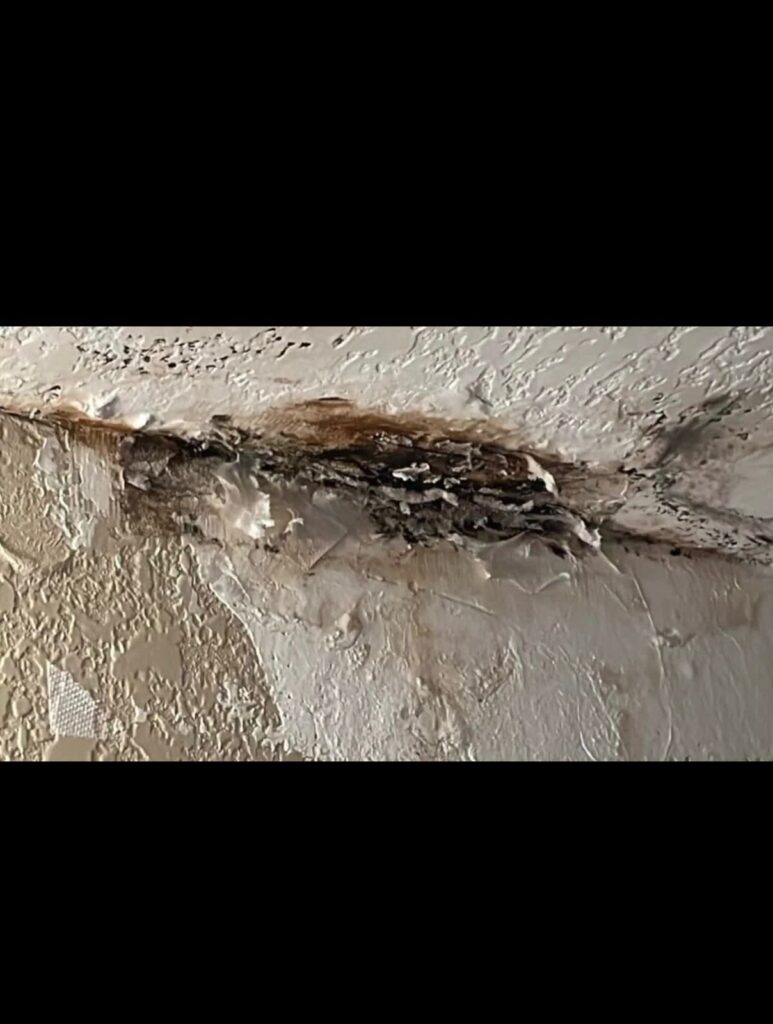
Mold in Rental Properties in Indian Harbour Beach: What Homeowners in Brevard County Should KnowMold is a frequent and serious issue in rental properties across Indian Harbour Beach and Brevard County. Coastal humidity, salt air, frequent tenant turnover, and delayed maintenance create conditions where mold can develop quickly and spread unnoticed. For property owners and landlords, mold is not just a maintenance concern — it can affect tenant health, property value, and legal responsibility.This guide explains why mold is common in rental properties, where it usually forms, how it affects tenants and owners, and what landlords should know to reduce risk and liability.⸻Why Rental Properties Are High-Risk for MoldRental homes face unique challenges compared to owner-occupied properties.Key risk factors include: • Coastal humidity year-round • Tenants unfamiliar with Florida moisture control • Inconsistent use of exhaust fans and AC systems • Delayed reporting of leaks or water damage • High turnover between tenants • Older coastal construction • Salt air accelerating wear on materialsMold often begins during vacancy periods or shortly after move-in when humidity control is inconsistent.⸻Common Mold Sources in Indian Harbour Beach RentalsMoisture and Water Intrusion • Roof leaks after coastal storms • Wind-driven rain entering around windows and doors • Plumbing leaks under sinks or behind walls • AC condensation and clogged drain lines • Flooding or standing water after heavy rainVentilation and Usage Issues • Bathrooms without functioning exhaust fans • Kitchens lacking proper ventilation • AC systems turned off during humid weather • Closed-off rooms with poor airflow • Furniture blocking exterior wallsEven short periods of unmanaged moisture can lead to mold growth in Brevard County rentals.⸻Where Mold Commonly Grows in Rental UnitsMold is often discovered only after tenant complaints.Frequent locations include: • Bathrooms and shower areas • Under sinks and inside cabinets • Behind drywall near plumbing • Around windows and sliding glass doors • Inside AC closets and air handlers • HVAC ductwork • Closets and storage areas • Under flooring and carpet paddingBy the time mold becomes visible, hidden growth may already be extensive.⸻Health Concerns for TenantsMold exposure can impact tenant health, especially in coastal rentals with limited ventilation.Possible effects include: • Persistent coughing or wheezing • Nasal congestion or sinus irritation • Eye or throat irritation • Headaches • Worsening asthma or allergies • Fatigue or discomfort indoorsHealth complaints are often the first indication of a mold issue in rental properties.⸻Landlord Responsibilities in Mold SituationsProperty owners are responsible for providing a habitable living environment.Key responsibilities include: • Addressing water leaks promptly • Maintaining plumbing and HVAC systems • Ensuring proper ventilation • Responding quickly to mold complaints • Correcting moisture sources, not just cleaning mold • Documenting inspections and repairsIgnoring mold complaints or delaying repairs increases liability risk.⸻Mold vs. Tenant BehaviorWhile tenant habits can contribute to moisture, mold is rarely caused by behavior alone.Tenant-related factors may include: • Not using exhaust fans • Turning off AC for extended periods • Overcrowding small units • Blocking airflowHowever, underlying building conditions such as leaks, poor ventilation, or HVAC issues usually play a larger role.⸻Why DIY Mold Cleanup Is Risky in RentalsDIY cleanup often creates bigger problems.Risks include: • Incomplete mold removal • Spreading spores into other units • Health exposure for tenants • Failure to address hidden moisture • Repeat complaints and remediation costs • Legal disputes over habitabilitySurface cleaning does not resolve mold growing inside walls, ceilings, or HVAC systems.⸻What Professional Mold Remediation IncludesProfessional remediation focuses on protecting both property and occupants.A proper process may include: • Inspection of visible and hidden areas • Moisture source identification • Containment to prevent cross-contamination • HEPA air filtration • Removal of contaminated materials • Cleaning and treatment of salvageable surfaces • Drying and dehumidification • Preventive recommendationsThis approach reduces recurrence and tenant exposure.⸻Mold Testing in Rental PropertiesTesting is not always required.Testing may be helpful when: • Mold is suspected but not visible • Documentation is needed for legal or insurance purposes • Health complaints are involved • Disputes arise between tenants and ownersVisible mold typically justifies remediation without testing.⸻Insurance and Mold in RentalsCoverage depends on the cause of the mold.✔ Often covered if caused by sudden, accidental water damage❌ Often denied if caused by neglect or long-term moisture issuesMaintaining records improves insurance outcomes.⸻Preventing Mold in Rental PropertiesPrevention reduces costs and tenant issues.Effective strategies include: • Regular property inspections • Prompt repair of leaks • Maintaining HVAC systems • Ensuring exhaust fans function properly • Keeping indoor humidity between 30–50% • Using dehumidifiers in coastal units • Educating tenants on moisture control • Inspecting units during vacancy periods • Monitoring AC drain lines and condensate pansProactive maintenance is far less expensive than remediation.⸻During Tenant TurnoverVacancy periods are high-risk for mold.Best practices include: • Keeping AC running at humidity-safe settings • Inspecting for leaks or water damage • Checking under sinks and behind appliances • Monitoring humidity levels • Addressing odors immediatelyMany mold issues begin during unoccupied periods.⸻Why Early Action MattersDelays can lead to: • Structural damage • Widespread contamination • Health complaints • Legal disputes • Higher remediation costs • Longer vacancy periodsEarly detection protects both property and tenants.⸻Final ThoughtsMold in rental properties is a common challenge for owners in Indian Harbour Beach and across Brevard County. Coastal moisture, tenant usage patterns, and delayed maintenance make rentals especially vulnerable.Consistent inspections, moisture control, prompt repairs, and professional remediation when needed help landlords protect their investment, maintain tenant health, and reduce long-term risk.