
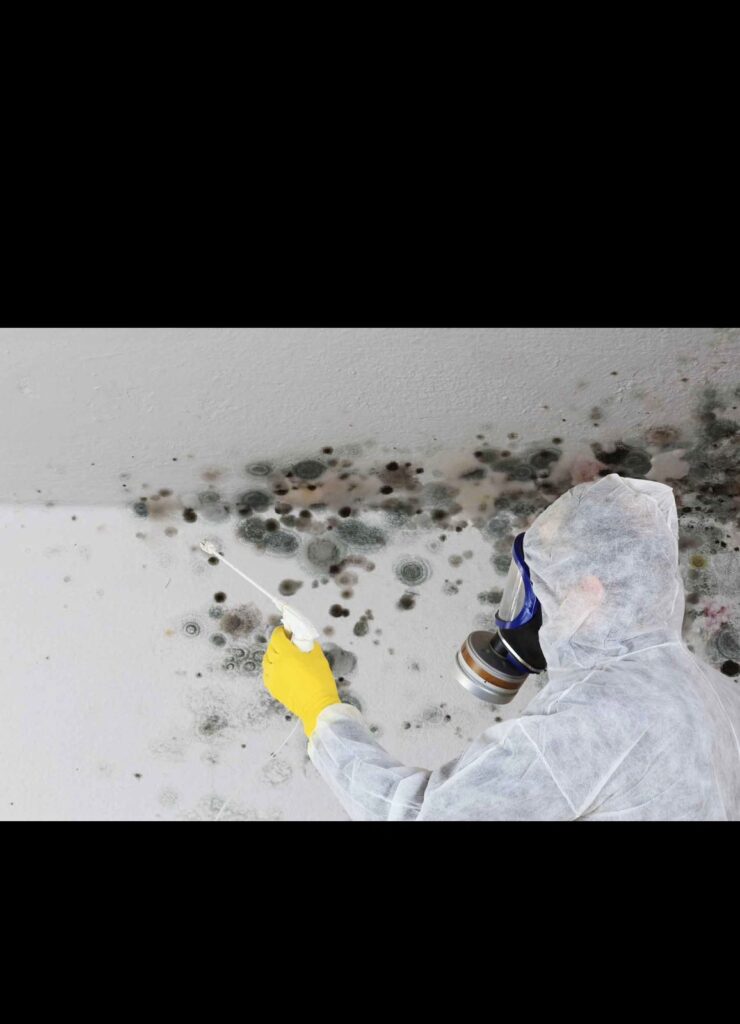
Mold After Hurricanes in Cocoa: What Homeowners in Brevard County Should KnowHurricanes are one of the biggest triggers for mold growth in Cocoa and throughout Brevard County. Heavy rain, flooding, storm surge, roof damage, and power outages create ideal conditions for mold to grow quickly — often before homeowners realize the extent of the damage.Understanding how mold develops after hurricanes, where it hides, and what steps matter most can help Cocoa homeowners reduce damage, health risks, and repair costs.⸻Why Hurricanes Cause Mold So QuicklyMold can begin growing within 24–48 hours after water intrusion. Hurricanes introduce moisture in multiple ways at once, overwhelming homes and drying systems.Common hurricane-related moisture sources include: • Flooding and standing water • Roof damage allowing rain intrusion • Wind-driven rain through windows and doors • Saturated walls and insulation • AC shutdowns during power outages • High outdoor humidity after the stormWhen warm temperatures combine with trapped moisture, mold growth accelerates rapidly.⸻Common Post-Hurricane Mold Scenarios in CocoaFlood and Standing WaterFloodwater soaks flooring, drywall, insulation, and structural wood. Even when water recedes, moisture remains inside materials.Roof and Exterior DamageMissing shingles, flashing damage, and cracked seals allow rain to enter attics and walls long after the storm passes.Power OutagesWithout AC or dehumidification, indoor humidity spikes, allowing mold to grow even without visible flooding.Delayed DryingLimited access to equipment, contractors, or supplies delays proper drying, increasing mold risk.⸻Where Mold Grows After HurricanesPost-hurricane mold is often hidden.Common locations include: • Behind drywall and baseboards • Under carpet and flooring • Inside wall cavities • Attics and roof decking • Crawl spaces • Inside HVAC systems and ductwork • Under cabinets and vanities • Around windows and sliding doorsVisible mold usually represents only part of the total growth.⸻Warning Signs of Mold After a HurricaneVisual Signs • Dark staining on walls or ceilings • Bubbling or peeling paint • Warped drywall or flooring • Baseboards separating from wallsOdors • Musty or earthy smells • Odors stronger when AC runs • Smells trapped in closed roomsIndoor Air Quality Changes • Damp or stale indoor air • Increased allergy or respiratory symptoms • Discomfort when spending time indoors⸻Health Risks of Post-Hurricane MoldMold exposure after hurricanes is common due to widespread moisture.Possible effects include: • Coughing or wheezing • Nasal congestion • Sinus irritation • Headaches • Eye or throat irritation • Worsening asthma or allergiesChildren, seniors, and individuals with respiratory conditions are especially vulnerable.⸻Why Drying Alone Is Often Not EnoughSurface drying does not remove moisture trapped inside building materials.Problems occur when: • Drywall remains wet internally • Insulation stays saturated • Flooring traps moisture underneath • Wall cavities are not addressed • Humidity remains elevatedHidden moisture allows mold to grow long after visible water damage appears resolved.⸻Mold vs. Storm CleanupStorm cleanup and mold remediation are different processes.Storm cleanup focuses on: • Removing debris • Pumping out water • Drying surfacesMold remediation focuses on: • Identifying hidden moisture • Containing mold spores • Removing contaminated materials • Protecting indoor air quality • Preventing regrowthHomes that only receive basic drying after hurricanes are at higher risk for mold problems.⸻DIY Mold Cleanup After Hurricanes: RisksDIY cleanup often worsens contamination.Common mistakes include: • Scrubbing mold without containment • Using bleach on porous materials • Running fans that spread spores • Ignoring hidden moisture • Painting over stains • Disposing of materials before documentationImproper cleanup increases health risks and insurance complications.⸻Mold Testing After HurricanesTesting is not always required.Testing may be helpful when: • Mold is suspected but not visible • Odors persist after drying • Health symptoms appear • Documentation is needed for insurance or claims • Disputes arise over damage causeVisible mold usually justifies remediation without testing.⸻Insurance and Mold After HurricanesCoverage depends on the source of water.✔ Mold may be covered if caused by sudden storm damage covered under the policy❌ Mold from flooding is usually excluded without flood insurance❌ Mold caused by delayed action or neglect is often deniedImportant steps: • Document damage immediately • Take photos before cleanup • Notify insurance promptly • Keep inspection and remediation reports • Avoid delaysProper documentation improves claim outcomes.⸻Preventing Mold After a HurricaneThe first 48 hours are critical.Immediate actions include: • Removing standing water quickly • Drying affected areas thoroughly • Using dehumidifiers and air movement • Monitoring indoor humidity • Inspecting attics, walls, and crawl spaces • Addressing roof and window damage immediatelyLong-term prevention includes: • Keeping indoor humidity between 30–50% • Maintaining HVAC systems • Sealing exterior openings • Inspecting after future storms⸻Why Early Action MattersDelays allow mold to spread.Consequences of inaction include: • Larger mold colonies • Structural material damage • HVAC contamination • Higher remediation costs • Increased health complaints • Insurance claim disputesEarly intervention significantly reduces long-term impact.⸻Final ThoughtsMold after hurricanes is a common issue for homeowners in Cocoa and across Brevard County. Storm-related moisture, power outages, and delayed drying create perfect conditions for mold growth — often out of sight.Quick action, proper drying, moisture control, and professional evaluation when needed help prevent hurricane damage from turning into long-term mold problems. Acting early protects your home, indoor air quality, and overall recovery after the storm.