
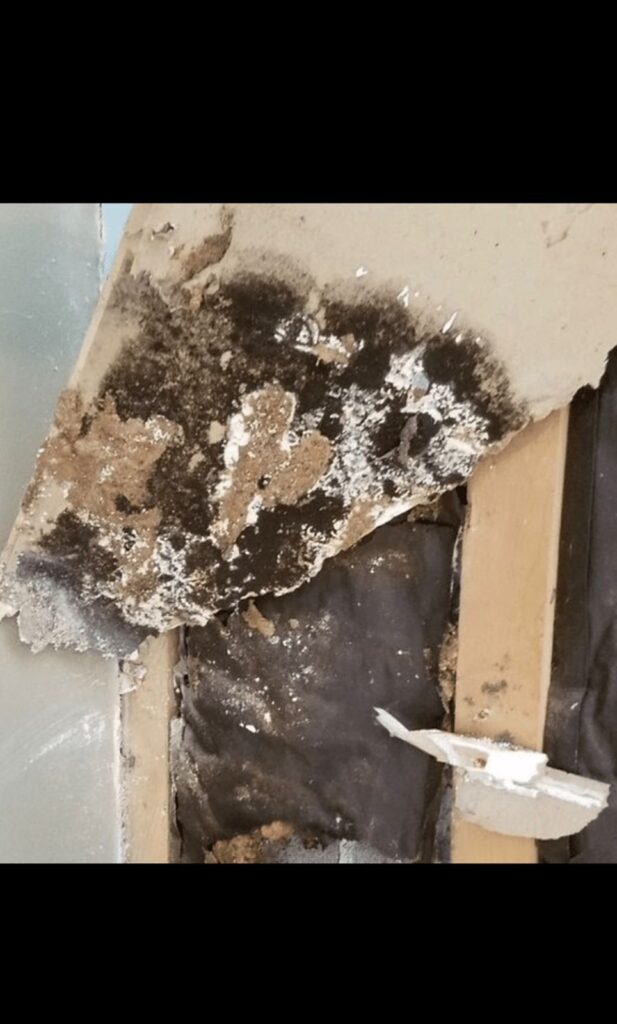
Black Mold in Satellite Beach: What Homeowners in Brevard County Should KnowBlack mold is a serious concern for homeowners in Satellite Beach and throughout Brevard County. Coastal humidity, salt air, frequent storms, and year-round air conditioning create ideal conditions for mold growth, especially when moisture problems go unnoticed. Black mold often develops quietly and spreads behind walls, under flooring, and inside HVAC systems before it becomes visible.This guide explains what black mold is, why it’s common in Satellite Beach homes, how to recognize warning signs, and what homeowners should know about proper response and prevention.⸻What Is Black Mold?The term “black mold” commonly refers to Stachybotrys chartarum, a mold species that grows on wet, cellulose-based materials such as drywall, wood, insulation, and paper backing. Not all dark-colored mold is toxic, but any mold growing indoors is a problem that should be addressed.Black mold requires: • Ongoing moisture • Limited airflow • Organic building materials • TimeWhen these conditions exist, mold can begin growing within 24–48 hours.⸻Why Black Mold Is Common in Satellite Beach HomesSatellite Beach homes face constant moisture exposure from the coastal environment.Common contributing factors include: • High year-round humidity • Salt air accelerating material deterioration • Wind-driven rain during storms • Roof and window seal failures • AC condensation and drain line issues • Plumbing leaks inside walls • Elevated crawl space and slab moistureEven small moisture problems can support black mold growth if not corrected quickly.⸻Where Black Mold Typically GrowsBlack mold is often hidden when it first develops.Common locations include: • Behind drywall and baseboards • Under sinks and inside cabinets • Behind bathroom tile • Inside HVAC systems and ductwork • Attics with roof or ventilation issues • Closets on exterior walls • Under flooring and carpet padding • Around windows and sliding doorsVisible mold usually indicates more growth behind surfaces.⸻Signs of Black Mold in the HomeVisual Indicators • Black or dark green staining • Fuzzy or slimy growth • Bubbling or peeling paint • Warped drywall or baseboards • Mold that returns after cleaningOdors • Strong musty or earthy smells • Odors stronger when AC runs • Smells trapped in closed rooms or closetsHealth Symptoms • Coughing or wheezing indoors • Nasal congestion or sinus irritation • Headaches • Eye or throat irritation • Worsening asthma or allergiesSymptoms that improve when leaving the home often suggest indoor mold exposure.⸻Health Concerns Associated With Black MoldBlack mold can impact indoor air quality and occupant health, especially with prolonged exposure.Possible effects include: • Respiratory irritation • Chronic sinus issues • Allergy-like symptoms • Headaches and fatigue • Increased asthma symptomsChildren, seniors, and individuals with respiratory or immune conditions are more vulnerable.⸻Why DIY Black Mold Cleanup Is RiskyDIY cleanup often worsens black mold problems.Common mistakes include: • Scrubbing mold without containment • Using bleach on porous materials • Ignoring hidden moisture • Spreading spores through HVAC systems • Painting over affected areasDisturbing black mold without proper controls increases airborne spores and health risks.⸻What Proper Black Mold Remediation InvolvesEffective remediation addresses both mold and moisture.A professional process typically includes: • Inspection and moisture detection • Identifying the moisture source • Containment of affected areas • HEPA air filtration • Removal of contaminated materials • Cleaning and treating salvageable surfaces • Drying and dehumidification • Correcting ventilation or leak issuesWithout moisture correction, black mold almost always returns.⸻Mold Testing and Black MoldTesting is not always required.Testing may be helpful when: • Mold is suspected but not visible • Documentation is needed for insurance or real estate • Health symptoms are unexplained • Mold is suspected in HVAC systems or wallsVisible black mold usually justifies remediation without testing.⸻Insurance and Black MoldCoverage depends on the cause of moisture.✔ Often covered when mold results from a sudden, accidental water event❌ Often denied when caused by long-term leaks or humidityPrompt documentation and quick response improve claim outcomes.⸻Preventing Black Mold in Satellite Beach HomesPrevention focuses on moisture control.Effective strategies include: • Keeping indoor humidity between 30–50% • Maintaining AC systems and drain lines • Using exhaust fans properly • Fixing leaks immediately • Sealing windows and exterior openings • Using dehumidifiers in coastal homes • Inspecting after storms • Monitoring indoor humidity regularlyCoastal homes require consistent moisture management.⸻Why Early Action MattersDelaying response can lead to: • Structural material damage • HVAC contamination • Widespread indoor air quality issues • Higher remediation costs • Ongoing health complaintsEarly intervention limits damage and expense.⸻Final ThoughtsBlack mold is a common but serious issue for homeowners in Satellite Beach and across Brevard County. Coastal humidity and moisture intrusion make homes especially vulnerable, but early detection and proper remediation keep problems from escalating.Addressing moisture quickly, avoiding risky DIY cleanup, and correcting underlying conditions are the most effective ways to protect your home and indoor air quality.