
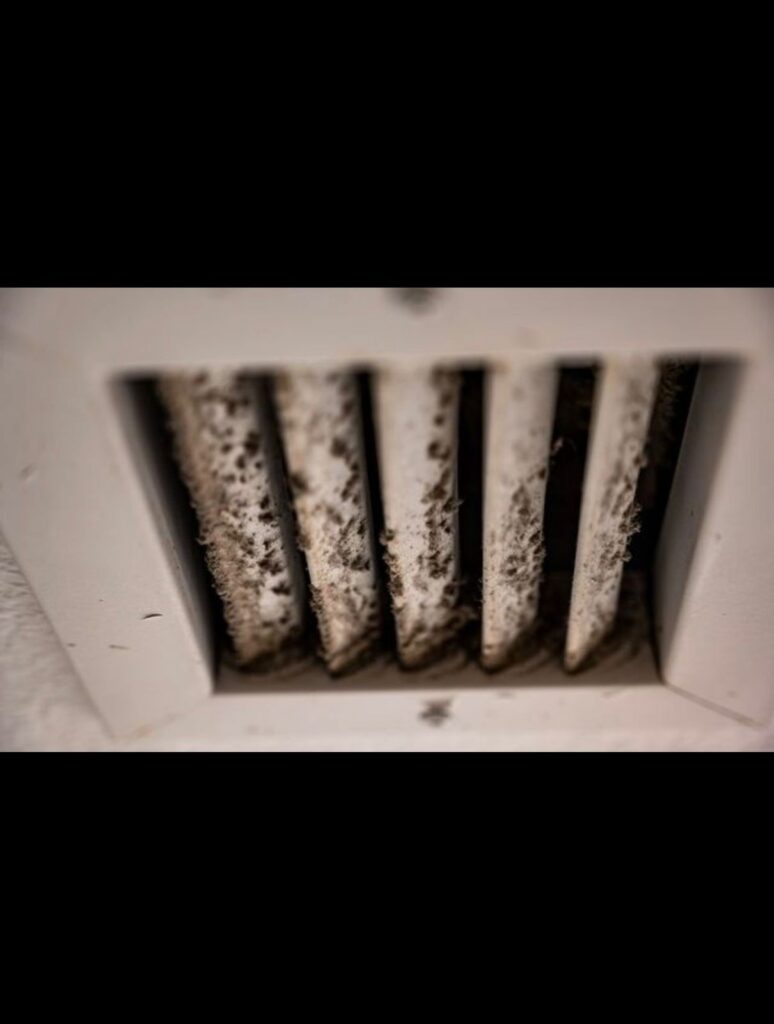
Mold Prevention in West Melbourne: What Homeowners in Brevard County Should KnowMold prevention is essential for homeowners in West Melbourne and throughout Brevard County. Florida’s warm climate, high humidity, and frequent rain create ideal conditions for mold growth year-round. While mold removal is common, prevention is far less costly and far more effective when done correctly.This guide explains why mold prevention matters in West Melbourne homes, where problems typically begin, and what steps actually reduce mold risk long term.⸻Why Mold Prevention Is Critical in West MelbourneMold does not require flooding or major leaks to develop. In many West Melbourne homes, mold grows simply because moisture stays too high for too long.Contributing factors include: • High year-round humidity • Frequent rain and storm activity • AC systems running most of the year • Condensation buildup • Poor ventilation • Aging plumbing and roofing componentsMold can begin growing within 24–48 hours when moisture is present.⸻How Mold Starts in HomesMold needs: • Moisture • Organic materials (drywall, wood, insulation, dust) • Warm temperatures • TimeIn West Melbourne homes, moisture often builds up slowly and unnoticed.Common triggers include: • Small plumbing leaks • Roof leaks after storms • AC condensation issues • High indoor humidity • Poor airflow in certain rooms • Moisture trapped behind furniture or inside closetsPreventing mold means controlling moisture before growth begins.⸻Areas Most Vulnerable to Mold GrowthBathrooms • Steam from showers • Inadequate exhaust fans • Moisture on ceilings and walls • Leaking fixtures behind wallsKitchens and Laundry Rooms • Appliance leaks • Poor ventilation • Daily moisture from cooking and washingHVAC Systems • Condensation on coils and drain pans • Clogged drain lines • Dirty filters • Duct leaks pulling humid air insideClosets and Storage Areas • Limited airflow • Exterior walls • Furniture blocking circulationAttics and Crawl Spaces • Roof leaks • Poor ventilation • Moisture intrusion after storms⸻Indoor Humidity ControlHumidity control is the foundation of mold prevention.Recommended indoor humidity: • 30–50% ideal • Above 60% increases mold riskIn West Melbourne, outdoor humidity is often higher than indoor targets, so homes must actively remove moisture.Effective strategies include: • Properly sized AC systems • Running AC consistently during humid months • Using whole-home or portable dehumidifiers • Monitoring humidity with a digital hygrometer⸻Ventilation: A Key Prevention StepPoor ventilation allows moisture to linger.Prevention best practices: • Run bathroom exhaust fans during showers and at least 20 minutes afterward • Use kitchen range hoods when cooking • Ensure dryer vents exhaust outdoors • Keep interior doors open when possible to improve airflowAttic ventilation is also important. Trapped heat and moisture in attics often lead to mold growth above ceilings.⸻Preventing Mold Through HVAC MaintenanceAir conditioning systems play a major role in moisture control.Key prevention steps: • Change filters regularly • Keep evaporator coils clean • Ensure drain lines are clear • Seal duct leaks • Avoid oversized systems that short-cycle • Schedule routine maintenanceA properly functioning HVAC system removes moisture as efficiently as it cools the home.⸻Moisture Prevention After StormsStorms increase mold risk even without flooding.After heavy rain: • Inspect ceilings and walls for staining • Check around windows and doors • Look under sinks and behind appliances • Monitor indoor humidity levels • Dry any damp areas immediatelyEarly response prevents hidden moisture from becoming a mold note.⸻Furniture Placement and AirflowInterior layout affects mold risk.Helpful practices include: • Keeping furniture slightly away from exterior walls • Allowing airflow behind couches and beds • Avoiding storage of cardboard in damp areas • Reducing clutter in closetsRestricted airflow allows condensation to build unnoticed.⸻Common Mold Prevention MistakesMany homeowners unknowingly increase mold risk by: • Turning off AC for long periods • Closing vents in unused rooms • Using bleach on moisture-prone surfaces • Painting over stains without fixing moisture • Ignoring humidity readingsPrevention fails when moisture control is inconsistent.⸻When Prevention Is No Longer EnoughProfessional evaluation may be needed when: • Mold odors persist • Stains return after cleaning • Humidity remains high despite efforts • Health symptoms appear indoors • Water damage was not properly dried • Mold becomes visibleAt this point, remediation may be necessary to reset conditions.⸻Long-Term Benefits of Mold PreventionEffective prevention provides: • Healthier indoor air • Fewer allergy and respiratory symptoms • Lower repair and remediation costs • Longer lifespan of building materials • Improved comfort and energy efficiency • Reduced stress during storm seasonPrevention is always less expensive than removal.⸻Final ThoughtsMold prevention in West Melbourne requires consistent moisture control, proper ventilation, and regular home maintenance. In Brevard County’s humid climate, waiting for visible mold often means the problem is already advanced.Staying ahead of moisture, monitoring humidity, and responding quickly to water issues help keep West Melbourne homes mold-free and protect both property and indoor air quality.