
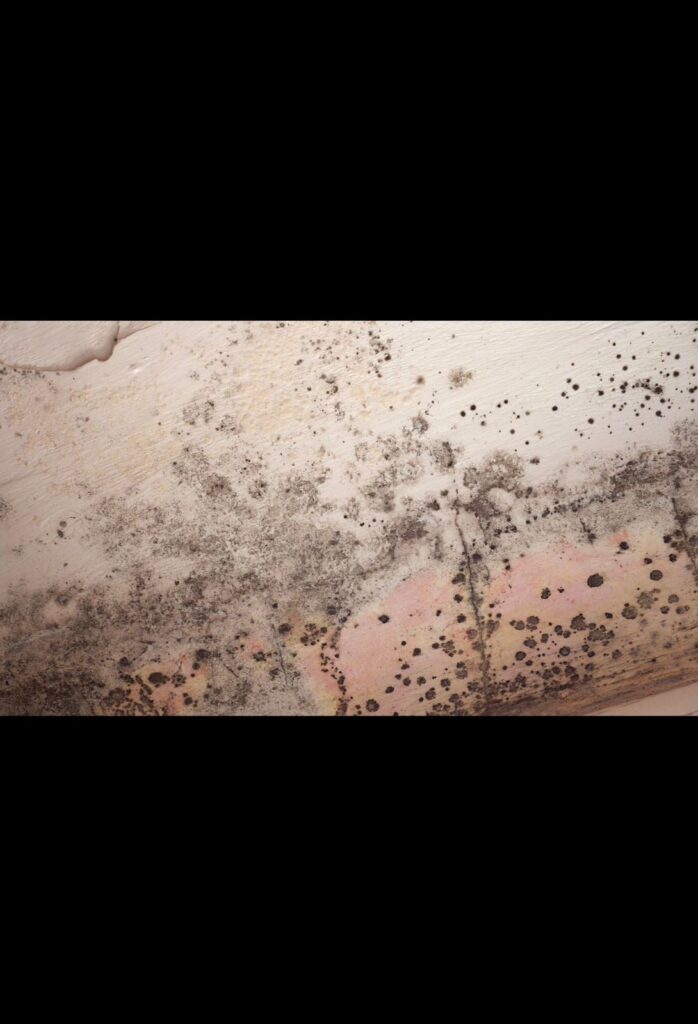
Mold After Water Damage in Melbourne: What Homeowners in Brevard County Should KnowWater damage is one of the leading causes of mold problems in Melbourne and throughout Brevard County. Whether the source is heavy rain, plumbing failures, appliance leaks, or storm-related flooding, moisture that is not dried properly creates ideal conditions for mold growth—often within days.This guide explains why mold develops after water damage, where it hides, how it affects homes and health, and what Melbourne homeowners should do to reduce long-term damage.⸻Why Water Damage Leads to Mold So QuicklyMold can begin growing within 24–48 hours after water intrusion in Florida’s warm, humid climate.Mold needs: • Moisture • Organic material (drywall, wood, insulation, dust) • Warm temperatures • TimeEven when surfaces feel dry, moisture can remain trapped inside walls, floors, and insulation, allowing mold to grow unseen.⸻Common Causes of Water Damage in Melbourne HomesWater damage does not always come from major storms.Storm-Related Sources • Heavy rain and tropical systems • Wind-driven rain entering around windows and doors • Roof damage or missing shingles • Flooding in low-lying areasInterior and Plumbing Sources • Burst or leaking pipes • Slow leaks behind walls • Water heater failures • Washing machine hose leaks • Dishwasher and refrigerator line failures • Toilet overflowsHVAC-Related Sources • Clogged AC drain lines • Overflowing drain pans • Condensation on ductwork • Improperly installed air handlersSmall leaks often cause the biggest mold problems because they go unnoticed.⸻Where Mold Grows After Water DamagePost-water-damage mold is often hidden.Common locations include: • Behind drywall and baseboards • Under carpet and carpet padding • Beneath laminate and wood flooring • Inside wall cavities near plumbing • Under kitchen and bathroom cabinets • Attics after roof leaks • HVAC systems and ductwork • Around windows and sliding doorsVisible mold usually represents only part of the total growth.⸻Warning Signs Mold May Be DevelopingVisual Indicators • Dark staining on walls or ceilings • Bubbling or peeling paint • Warped drywall or flooring • Baseboards pulling away from wallsOdors • Persistent musty or earthy smells • Odors stronger when AC runs • Smells concentrated in closed rooms or closetsIndoor Air Quality Changes • Damp or stale indoor air • Increased dust or irritation • Discomfort when spending time indoorsHealth Symptoms • Coughing or wheezing • Nasal congestion • Headaches • Eye or throat irritation • Worsening allergies or asthma⸻Why Drying Alone Is Often Not EnoughSurface drying does not remove moisture trapped inside building materials.Problems occur when: • Drywall remains damp internally • Insulation stays wet • Flooring traps moisture underneath • Wall cavities are not dried • Indoor humidity remains elevatedHidden moisture allows mold to grow long after visible water damage appears resolved.⸻Water Damage Cleanup vs. Mold RemediationThese are not the same process.Water damage cleanup focuses on: • Removing standing water • Drying exposed surfacesMold remediation focuses on: • Removing contaminated materials • Containing mold spores • Cleaning affected areas • Protecting indoor air quality • Preventing regrowthHomes that only receive basic drying after water damage are at higher risk for mold problems.⸻Risks of DIY Mold Cleanup After Water DamageImproper cleanup often makes the problem worse.Common mistakes include: • Scrubbing mold without containment • Using bleach on porous materials • Running fans that spread spores • Ignoring hidden moisture • Painting over stains • Disposing of materials before documentationThese actions increase health risks and insurance complications.⸻Mold Testing After Water DamageTesting is not always required.Testing may be helpful when: • Mold is suspected but not visible • Odors persist after drying • Health symptoms appear • Documentation is needed for insurance or real estate • Mold is suspected inside walls or HVAC systemsVisible mold generally justifies remediation without testing.⸻Health Risks of Mold After Water DamageProlonged exposure may lead to: • Respiratory irritation • Chronic sinus issues • Allergy-like symptoms • Headaches • Fatigue • Worsening asthmaChildren, seniors, and individuals with respiratory conditions are more vulnerable.⸻Insurance and Mold After Water DamageCoverage depends on the cause.✔ Often covered if caused by a sudden, accidental event❌ Often denied if caused by long-term leaks or neglectImportant steps: • Document damage immediately • Take photos before cleanup • Notify insurance promptly • Keep inspection and remediation reportsPrompt action improves claim outcomes.⸻Preventing Mold After Water DamageThe first 48 hours are critical.Immediate actions: • Stop the water source • Remove standing water quickly • Dry affected areas thoroughly • Use dehumidifiers and air movement • Monitor indoor humidity • Inspect hidden areasLong-term prevention: • Keep indoor humidity between 30–50% • Maintain plumbing and AC systems • Inspect roofs and seals regularly • Respond quickly to future water intrusion⸻Why Early Action MattersDelays allow mold to spread.Consequences include: • Larger mold colonies • Structural material damage • HVAC contamination • Higher remediation costs • Increased health complaintsEarly intervention reduces damage and expense.⸻Final ThoughtsMold after water damage is a common issue for homeowners in Melbourne and across Brevard County. Florida’s humidity and warm temperatures allow mold to grow quickly when moisture is not fully addressed.Prompt drying, moisture control, and proper remediation prevent water damage from turning into long-term mold problems and protect both the home and indoor air quality.