
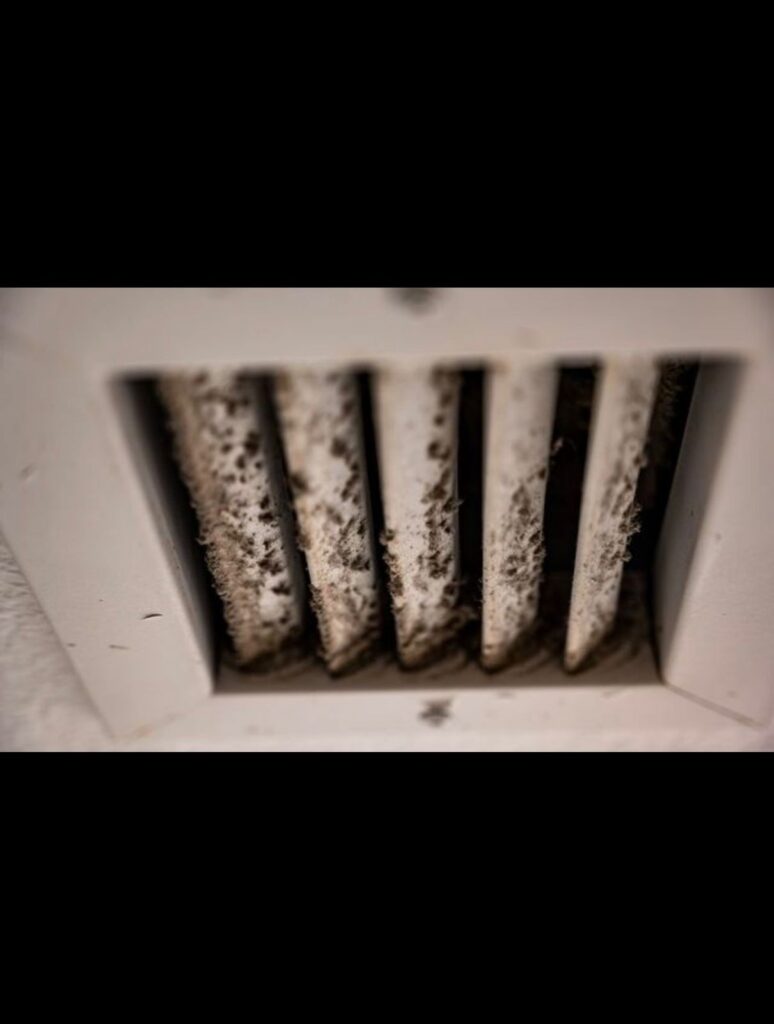
Mold in HVAC Systems in Palm Bay: What Homeowners in Brevard County Should KnowMold in HVAC systems is a serious and often hidden problem for homeowners in Palm Bay and throughout Brevard County. Because air conditioning systems run most of the year in Florida, they constantly manage moisture. When that moisture is not controlled properly, mold can grow inside the system and spread spores throughout the home.This guide explains why HVAC mold is common in Palm Bay, where it forms, how it affects indoor air quality and health, and what homeowners should know about prevention and remediation.⸻Why HVAC Mold Is Common in Palm Bay HomesPalm Bay’s climate creates ideal conditions for HVAC-related mold growth.Key contributing factors include: • High year-round humidity • Long cooling seasons • Frequent rain and storms • AC systems running almost constantly • Condensation inside HVAC components • Aging or poorly maintained systemsAir conditioning systems naturally produce moisture. When drainage, airflow, or maintenance is inadequate, mold can begin growing quickly.⸻How Mold Develops Inside HVAC SystemsMold grows when moisture remains inside HVAC components long enough for spores to settle.Common causes include: • Clogged or slow-draining condensate lines • Overflowing or cracked drain pans • Dirty evaporator coils • Oversized AC systems that cool quickly but remove little humidity • Poor airflow or blocked returns • Leaking ductwork pulling humid air into the system • AC systems turned off for long periods during humid weatherOnce mold establishes itself, the HVAC system distributes spores throughout the home.⸻Where Mold Is Typically Found in HVAC SystemsMold rarely affects only one component.Common problem areas include: • Evaporator coils • Drain pans and drain lines • Air handlers and blower compartments • Supply and return ductwork • Insulation inside ducts • AC closets with limited ventilation • Around vents and registersMold inside duct insulation is especially difficult to remove and often requires material replacement.⸻Signs Mold May Be Present in Your HVAC SystemOdors • Musty or earthy smells when the AC runs • Odors strongest near vents or air handler closets • Smells that disappear when the system is offVisible Indicators • Dark staining on vents or registers • Mold growth inside air handler cabinets • Excessive condensation around vents • Rust or corrosion inside HVAC componentsIndoor Air Quality Changes • Increased dust or irritation • Stale or damp indoor air • Allergy or respiratory symptoms indoorsSymptoms that improve when leaving the home often point to HVAC-related mold exposure.⸻Health Effects of HVAC MoldBecause HVAC systems circulate air continuously, mold exposure can be widespread.Possible health effects include: • Coughing or wheezing • Nasal congestion or sinus irritation • Eye or throat irritation • Headaches • Worsening asthma or allergies • Fatigue or discomfort indoorsChildren, seniors, and individuals with respiratory conditions are more sensitive to these effects.⸻Why Air Duct Cleaning Alone Is Not EnoughAir duct cleaning does not address the root cause of HVAC mold.Limitations include: • Moisture sources remain unresolved • Evaporator coils and drain pans are untreated • Mold inside insulation is not removed • Humidity problems continue • Mold often returns quicklyEffective solutions must correct both mold growth and moisture conditions.⸻Mold Testing and HVAC SystemsTesting is not always required.Testing may be helpful when: • Mold is suspected but not visible • Odors persist without a clear source • Health symptoms are present • Documentation is needed for insurance or real estateVisible mold inside HVAC components generally justifies remediation without testing.⸻Risks of DIY HVAC Mold CleanupDIY attempts often worsen contamination.Common risks include: • Spreading spores through ductwork • Damaging sensitive HVAC components • Incomplete mold removal • Ignoring hidden moisture issues • Personal exposure without proper protectionHVAC systems require specialized handling to avoid further damage and contamination.⸻What Professional HVAC Mold Remediation InvolvesProper remediation addresses the entire system.A professional process may include: • Full HVAC inspection • Moisture and airflow assessment • Containment to prevent spore spread • Cleaning or replacement of contaminated components • Coil and drain system treatment • Duct remediation or insulation replacement • System drying and humidity correction • Preventive recommendationsCorrecting moisture is essential to prevent recurrence.⸻Preventing Mold in HVAC SystemsPrevention focuses on moisture control and maintenance.Effective strategies include: • Keeping indoor humidity between 30–50% • Regular HVAC maintenance • Keeping condensate drain lines clear • Replacing filters regularly • Sealing duct leaks • Ensuring proper system sizing • Avoiding prolonged AC shutdowns during humid months • Using dehumidifiers in problem areasA properly maintained system removes moisture as efficiently as it cools the home.⸻After Storms and Power OutagesStorms increase HVAC mold risk.After outages: • Inspect air handlers for standing water • Check drain pans and lines • Monitor indoor humidity closely • Use dehumidifiers immediately • Address water intrusion without delayDelayed response often leads to mold development inside HVAC systems.⸻Insurance and HVAC MoldCoverage depends on the cause.✔ Often covered when caused by a sudden, accidental water event❌ Often denied when caused by maintenance issues or long-term moisturePrompt documentation improves claim outcomes.⸻Final ThoughtsMold in HVAC systems is a hidden but significant issue for homeowners in Palm Bay and across Brevard County. Because HVAC systems distribute air throughout the home, mold growth inside them affects every room.Routine maintenance, humidity control, and early attention to odors or moisture problems help prevent HVAC mold from becoming a widespread indoor air quality issue.