
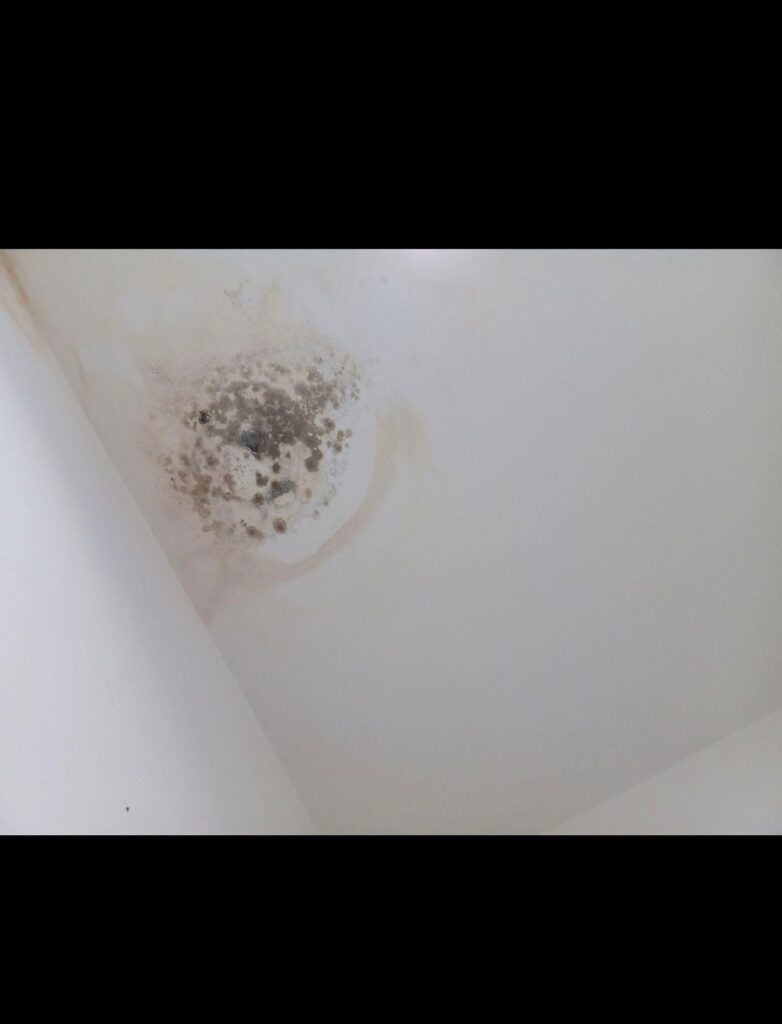
Mold in Bathrooms in Cocoa: What Homeowners in Brevard County Should KnowBathrooms are one of the most common places for mold growth in homes across Cocoa and Brevard County. Daily moisture, steam, poor ventilation, and hidden plumbing leaks create ideal conditions for mold to grow quickly and repeatedly. Many homeowners clean what they see but miss the underlying causes, allowing mold to return.This guide explains why bathroom mold is so common in Cocoa homes, where it develops, how it affects health and property, and what actually prevents it long term.⸻Why Bathrooms Are Mold Hotspots in CocoaBathrooms combine constant moisture with limited airflow.Key contributing factors include: • Steam from daily showers and baths • High indoor humidity • Inadequate or unused exhaust fans • Warm temperatures year-round • Plumbing lines inside walls • Tile, grout, and caulk that trap moistureIn Cocoa’s humid climate, moisture that lingers for even a short time can support mold growth.⸻How Mold Starts in BathroomsBathroom mold often begins before it’s visible.Common triggers include: • Steam not vented outdoors • Condensation on ceilings and walls • Wet towels and bath mats left in closed spaces • Leaking shower valves or pipes behind walls • Cracked grout or failing caulk • Poorly sealed tubs and shower pans • Exhaust fans that are undersized or nonfunctionalOnce moisture penetrates drywall or framing, mold can grow behind walls while surfaces appear normal.⸻Most Common Places Mold Grows in BathroomsShower and Tub Areas • Grout lines and caulking • Shower ceilings • Behind tile and shower walls • Around shower doors and framesBathroom Ceilings • Especially above showers • Areas with peeling paint or staining • Bathrooms without proper ventilationUnder Sinks and Vanities • Slow plumbing leaks • Condensation on pipes • Poor airflow inside cabinetsAround Toilets • Leaky seals • Moisture around the base • Hidden water damage beneath flooringFloors and Baseboards • Under tile or vinyl flooring • Around tubs and toilets • Along baseboards near moisture sources⸻Signs of Bathroom Mold ProblemsVisual Indicators • Black, green, or brown spots on grout or ceilings • Staining that returns after cleaning • Bubbling or peeling paint • Cracked or deteriorating caulk • Warped baseboards or vanity panelsOdors • Musty or damp smells • Odors stronger after showers • Smells trapped in closed bathroomsMoisture Clues • Condensation lingering long after showers • Fogged mirrors that take time to clear • Walls or ceilings that feel damp⸻Mold vs. Mildew in BathroomsFeature Mildew MoldAppearance Light gray or white Black, green, brownDepth Surface level Penetrates materialsOdor Mild Strong, mustyReturn Rate Slow Often returns quicklyRisk Lower Higher if untreatedIf growth keeps returning or spreads beyond surface areas, it should be treated as mold.⸻Health Effects of Bathroom MoldBathroom mold can impact indoor air quality, especially in smaller homes.Possible effects include: • Sneezing or coughing • Nasal congestion • Eye or throat irritation • Headaches • Worsening asthma or allergiesChildren, seniors, and people with respiratory conditions are more sensitive to repeated exposure.⸻Why Bathroom Mold Keeps Coming BackRecurring bathroom mold usually means moisture is still present.Common causes include: • Exhaust fans venting into attics instead of outdoors • Fans not run long enough after showers • High overall indoor humidity • Leaks inside walls • Cracked grout or failing shower pans • Poor airflow in windowless bathroomsCleaning alone does not stop mold if moisture remains.⸻Can Bathroom Mold Be Removed DIY?DIY cleaning may work only in limited situations.DIY may be reasonable when: • Mold covers a small area • Growth is on non-porous surfaces • Moisture source is fixed • Proper protective equipment is usedDIY becomes risky when: • Mold is on ceilings or drywall • Growth keeps returning • Walls feel soft or damp • Odors persist • Mold is behind tile or under flooringScrubbing without containment can spread spores.⸻What Professional Bathroom Mold Remediation InvolvesProper remediation addresses mold and moisture.A professional process includes: • Identifying moisture sources • Inspecting behind walls and fixtures • Containing affected areas • HEPA air filtration • Removing contaminated materials if needed • Treating salvageable surfaces • Drying and dehumidifying • Correcting ventilation or plumbing issuesThis approach prevents regrowth and protects indoor air quality.⸻Preventing Bathroom Mold in Cocoa HomesPrevention focuses on moisture control and ventilation.Effective strategies include: • Running exhaust fans during showers and at least 20 minutes afterward • Ensuring fans vent outdoors • Keeping bathroom doors open after use • Wiping down shower walls • Fixing plumbing leaks immediately • Replacing failing caulk and grout • Using mold-resistant paint on ceilings • Keeping indoor humidity between 30–50% • Maintaining AC systems properlySmall habits make a significant difference over time.⸻After Plumbing Leaks or Water DamageBathrooms are high-risk areas after leaks.After any water event: • Dry the area immediately • Inspect under sinks and behind fixtures • Monitor for odors or staining • Address damage promptlyDelays increase the chance of hidden mold growth.⸻Final ThoughtsMold in bathrooms is one of the most common and preventable problems for homeowners in Cocoa and across Brevard County. Persistent moisture, poor ventilation, and hidden leaks are usually the root causes, not cleaning habits.Addressing moisture early, improving ventilation, and responding quickly to warning signs prevent small bathroom mold issues from turning into larger home-wide problems.