
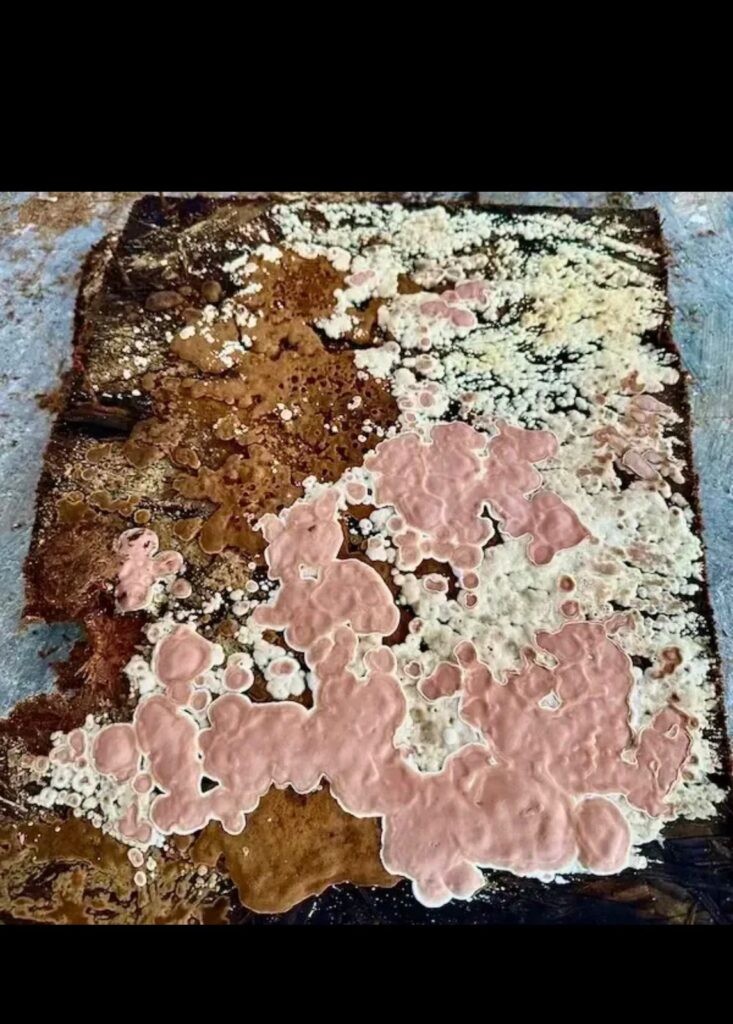
DIY Mold Risks in Cocoa Beach: What Homeowners in Brevard County Should KnowDIY mold cleanup is one of the most common mistakes homeowners make in Cocoa Beach and across Brevard County. What starts as a small visible patch often turns into a much larger problem when mold is disturbed without proper containment, moisture control, or safety measures. In a coastal environment like Cocoa Beach, mold issues are rarely just surface-level.This guide explains why DIY mold removal is risky, how it often makes problems worse, and when professional help is the safer option.⸻Why Homeowners Attempt DIY Mold CleanupMany homeowners try to handle mold themselves because: • The mold looks minor or surface-level • Online advice makes cleanup seem easy • Household cleaners promise quick results • Professional remediation feels expensive • Mold odors come and go with humidityIn Cocoa Beach homes, mold is usually tied to hidden moisture, not just visible staining.⸻How DIY Mold Cleanup Makes Mold SpreadMold reproduces through microscopic spores. When mold is scrubbed or disturbed without containment, those spores become airborne and spread throughout the home.Common DIY mistakes include: • Scrubbing mold without sealing off the area • Running fans that spread spores • Using shop vacuums instead of HEPA filtration • Cleaning without fixing moisture sources • Painting over mold-stained surfacesWhat starts in one bathroom or closet can quickly become a whole-home issue.⸻Why Bleach and Household Cleaners FailBleach is one of the most misunderstood mold “solutions.”Problems with bleach include: • It does not penetrate porous materials • Mold roots remain alive beneath the surface • Added moisture feeds future growth • Mold often returns darker and strongerDrywall, wood, grout, insulation, and carpet absorb moisture, making bleach ineffective and risky.⸻Hidden Mold DIY Cleanup MissesDIY efforts focus on what you can see, but mold often grows out of sight.Hidden mold commonly exists: • Behind drywall and baseboards • Under tile, laminate, and carpet • Inside wall cavities near plumbing • Inside HVAC systems and ductwork • In attics and crawl spaces • Under cabinets and vanitiesCleaning visible mold does nothing to stop hidden growth.⸻Health Risks of DIY Mold RemovalDisturbing mold increases airborne exposure.Possible health effects include: • Coughing or wheezing • Nasal congestion or sinus irritation • Eye or throat irritation • Headaches • Worsening asthma or allergies • Fatigue or discomfort indoorsChildren, seniors, and people with respiratory conditions are especially vulnerable.⸻Cross-Contamination Throughout the HomeImproper cleanup spreads mold to clean areas.Common causes of cross-contamination: • Walking through contaminated areas • Reusing cleaning tools in other rooms • Running HVAC systems during cleanup • Opening windows without containment • Removing moldy materials without sealing themOnce spores spread, mold can establish in multiple locations.⸻Structural Damage From Improper CleanupSurface cleaning does not stop material deterioration.Ongoing mold growth can lead to: • Crumbling drywall • Rotting wood framing • Warped flooring • Damaged insulation • HVAC contamination • Rising repair costsBy the time structural damage is visible, remediation is far more extensive.⸻Insurance Risks of DIY Mold CleanupDIY cleanup can complicate insurance claims.Potential issues include: • Loss of evidence and documentation • Difficulty proving damage extent • Claims denied for improper mitigation • Disputes over cause and timeline • Reduced coverage eligibilityInsurance companies expect prompt, proper mitigation after water damage.⸻When DIY Mold Cleanup Might Be AcceptableDIY cleanup may be reasonable only when: • Mold covers a very small area • Growth is on non-porous surfaces • The moisture source is fully resolved • No odors or health symptoms are present • Proper protective equipment is usedEven then, the area should be monitored closely.⸻When DIY Mold Cleanup Is Not SafeProfessional evaluation is strongly recommended when: • Mold keeps returning • Mold is on drywall or ceilings • Odors persist • Water damage occurred • HVAC systems are involved • Mold is hidden or widespread • Health symptoms appearIn these situations, DIY efforts usually increase long-term costs.⸻What Professional Mold Remediation Does DifferentlyProfessional remediation focuses on containment, moisture correction, and prevention.A proper process includes: • Identifying and correcting moisture sources • Isolating affected areas • HEPA air filtration • Safe removal of contaminated materials • Cleaning and treating salvageable surfaces • Drying and dehumidification • Prevention recommendationsThis approach protects indoor air quality and limits spread.⸻Why Mold Keeps Returning After DIY CleanupRecurring mold usually means: • Moisture was never corrected • Mold roots were not removed • Spores spread to new areas • Indoor humidity remains high • HVAC systems were contaminatedWithout moisture control, mold always returns.⸻Preventing DIY Mold MistakesReducing mold risk reduces the need for risky cleanup.Effective strategies include: • Fixing leaks immediately • Keeping indoor humidity between 30–50% • Using bathroom and kitchen exhaust fans • Maintaining HVAC systems and drain lines • Inspecting after coastal storms • Addressing odors earlyEarly professional evaluation often saves money.⸻Final ThoughtsDIY mold removal may seem harmless, but in Cocoa Beach and throughout Brevard County, it often causes more damage than it prevents. Mold is not just a cleaning problem—it’s a moisture and air quality issue.Addressing mold correctly from the start protects your home, your health, and your long-term investment in Florida’s coastal environment.