
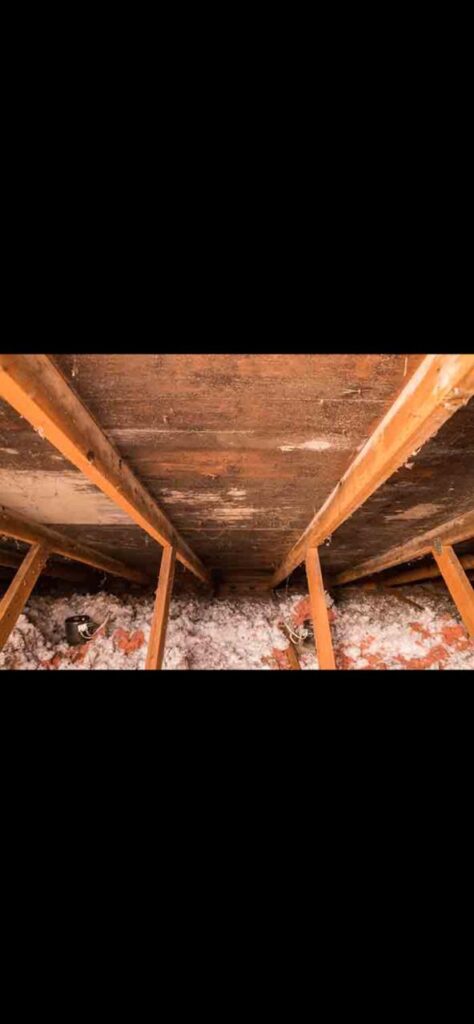
Mold in Attics in Viera: What Homeowners in Brevard County Should KnowAttics are one of the most common—and most overlooked—places for mold growth in Viera homes. Because attics are out of sight, mold can grow quietly for months or even years before homeowners realize there’s a problem. By the time it’s discovered, the damage can be widespread.If you live in Viera or anywhere in Brevard County, understanding why attic mold forms, how to spot it early, and what to do about it can save you thousands of dollars and protect your indoor air quality.⸻🌴 Why Attic Mold Is So Common in Viera HomesViera’s location in central Brevard County brings high humidity, frequent rain, and long cooling seasons. These conditions create the perfect environment for attic moisture problems.Unlike living spaces, attics aren’t climate-controlled. When warm, moist air meets cooler surfaces—like roof decking or trusses—condensation forms, and mold follows.Common reasons attic mold develops in Viera: • Florida’s consistently high outdoor humidity • Poor attic ventilation (undersized or blocked vents) • Bathroom or kitchen exhaust fans venting into the attic • AC duct leaks releasing cold air into hot attic spaces • Roof leaks from storms or aging shingles • Insufficient or compressed attic insulationEven newer homes in Viera can develop attic mold if ventilation or duct sealing wasn’t done properly.⸻🔍 Where Mold Typically Grows in AtticsAttic mold isn’t always obvious. It often spreads across large surface areas rather than forming small, isolated patches.Most common attic mold locations: • Roof decking (underside of plywood or OSB) • Wooden trusses and rafters • Around attic vents or penetrations • Near bathroom fan exhaust points • On insulation facing or paper backing • Around AC air handler platformsIn many Viera homes, mold appears as dark staining or speckling rather than thick growth, which leads homeowners to mistake it for “dirt” or “normal aging.”⸻👃 Signs You May Have Mold in Your AtticBecause most people don’t check their attic often, mold is usually discovered indirectly.Warning signs include: • Musty or stale odors inside the home • Allergy symptoms that worsen indoors • Ceiling stains or discoloration • Excessive humidity despite running AC • Rusting HVAC components • Dark patches visible during attic inspectionIf your home smells “earthy” or damp—especially after rain or during summer—your attic may be the source.⸻⚠️ Health & Structural Risks of Attic MoldAttic mold doesn’t stay in the attic. Spores can move freely through air leaks, ductwork, and ceiling penetrations.Potential health concerns • Nasal congestion and sinus irritation • Coughing, sneezing, itchy eyes • Asthma flare-ups • Headaches or fatigue • Increased sensitivity for children and seniorsStructural risks • Rotting roof decking over time • Weakened wooden trusses • Reduced insulation effectiveness • Higher energy bills • Lower home resale valueIn Brevard County’s competitive housing market, attic mold can derail inspections and delay sales.⸻🧪 Mold vs. Staining: Why Testing MattersNot all dark attic stains are mold—but many are.The only way to confirm what you’re dealing with is professional mold testing. Testing helps determine: • Whether the substance is active mold • The type of mold present • Spore levels inside the home • Whether remediation is necessarySkipping this step can lead to unnecessary cleaning—or worse, ignoring a serious issue.⸻🛠️ Why DIY Attic Mold Cleanup Is RiskyAttic mold remediation is very different from cleaning bathroom mold.Common DIY mistakes include: • Spraying bleach on wood (ineffective and damaging) • Dry brushing moldy surfaces (spreads spores) • Walking on contaminated insulation • Ignoring the moisture source • Failing to contain spores during cleanupAttics require controlled removal methods, proper protective equipment, and moisture correction. Without that, mold usually comes back—and sometimes spreads further.⸻🧰 What Professional Attic Mold Remediation InvolvesA proper attic mold remediation process typically includes: 1. Full attic inspection 2. Moisture source identification 3. Containment to prevent spore spread 4. HEPA air filtration 5. Safe mold removal or treatment 6. Cleaning affected surfaces 7. Ventilation and insulation recommendations 8. Post-remediation verificationIn many Viera homes, fixing ventilation or duct leaks is just as important as removing the mold itself.⸻💨 The Role of Ventilation in Preventing Attic MoldPoor ventilation is one of the top causes of attic mold in Brevard County.Key ventilation components • Soffit vents (intake) • Ridge or roof vents (exhaust) • Proper airflow balanceWhen intake and exhaust are unbalanced, moisture gets trapped. Even a brand-new roof can develop mold if airflow isn’t right.Bathroom fans should always vent outside—not into the attic.⸻🌡️ How AC Systems Contribute to Attic MoldFlorida homes rely heavily on air conditioning. When AC ducts leak or sweat in the attic: • Cold air meets hot attic air • Condensation forms on ducts and wood • Moisture feeds mold growthThis is especially common in Viera’s summer months when attic temperatures soar.⸻🧱 Insulation Problems That Lead to MoldCompressed or missing insulation allows warm, moist air to rise into the attic. Over time, this creates condensation on roof decking.Signs insulation may be contributing to mold: • Uneven indoor temperatures • High cooling costs • Cold ceilings in winter • Wet or matted insulationProper insulation helps regulate temperature and reduce moisture movement.⸻📅 How Often Should You Check Your Attic?For Brevard County homeowners: • Once per year minimum • After major storms or hurricanes • Before selling or buying a home • If you notice indoor air quality issuesEarly detection keeps remediation smaller and far less expensive.⸻🏡 Long-Term Prevention Tips for Viera HomeownersPreventing attic mold is about controlling moisture and airflow.Best practices include: • Ensure all bathroom and kitchen fans vent outdoors • Seal AC ducts and boots • Maintain proper attic ventilation • Replace damaged roof shingles promptly • Upgrade insulation if needed • Schedule periodic attic inspectionsThese steps are especially important in master-planned communities like Viera, where similar construction styles can lead to similar problems across neighborhoods.⸻✅ Final Thoughts for Viera & Brevard County HomeownersAttic mold is common in Central Florida—but it’s not something you should ignore. Because it’s hidden, it often spreads quietly until it becomes a costly issue.If your Viera home has high humidity, musty odors, or hasn’t had an attic inspection in years, now is the time to check. Addressing attic mold early protects your home’s structure, your family’s health, and your long-term investment.If you’d like, I can also create: • A printable attic inspection checklist • A buyer/seller attic mold guide • Or the next article in your Brevard County mold seriesJust tell me what’s next.