
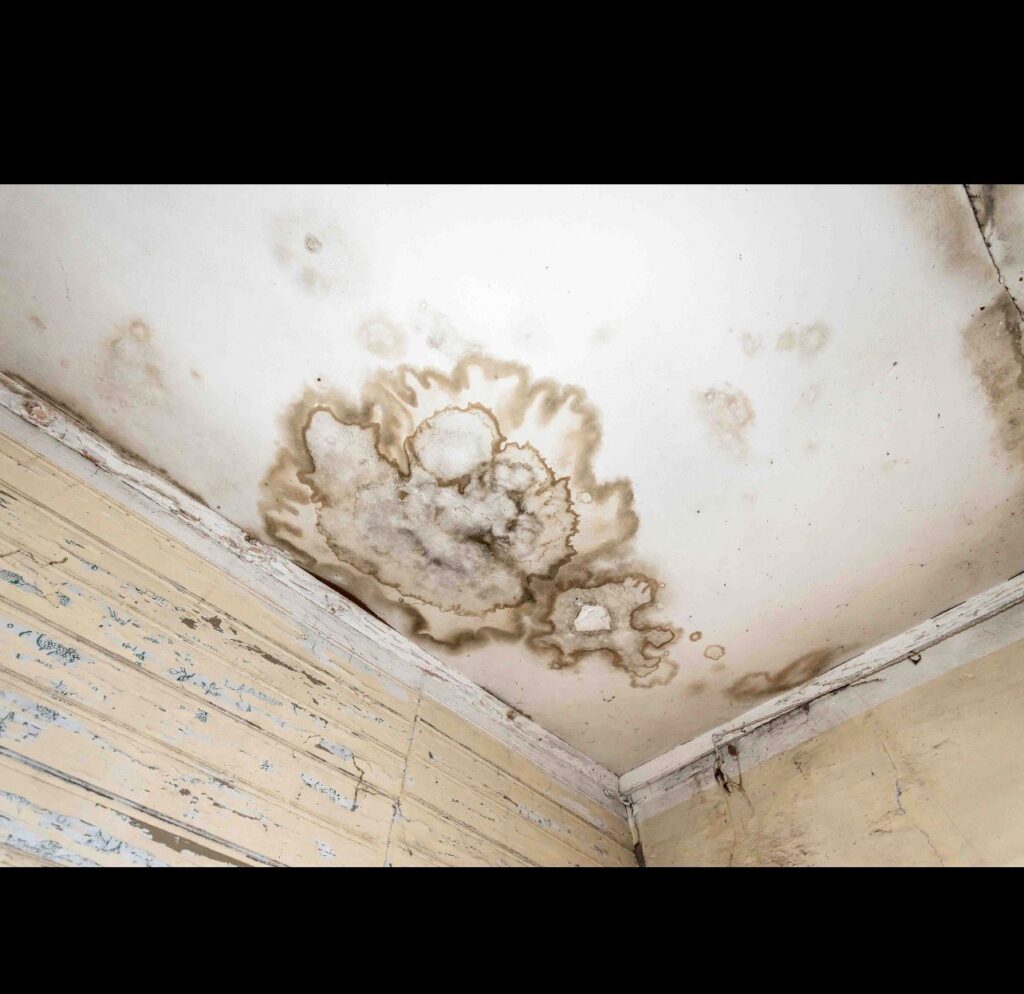
Mold in Rental Properties in Indian Harbour Beach: What Homeowners in Brevard County Should KnowRental properties near the coast come with perks—but in Indian Harbour Beach, they also come with a higher risk of mold. Between salty air, year-round humidity, heavy rain, and frequent tenant turnover, mold issues can develop fast and become complicated just as quickly.Whether you’re a landlord, property manager, or investor, understanding how mold forms in rentals, who’s responsible, and how to prevent disputes is critical to protecting both your property and your bottom line.⸻🌴 Why Mold Is a Common Problem in Indian Harbour Beach RentalsBeachside living means moisture—lots of it. Rental homes and condos in Indian Harbour Beach are exposed to: • High coastal humidity year-round • Salt air that accelerates moisture absorption • Sudden storms and wind-driven rain • Older construction in some buildings • Frequent tenant changeoversUnlike owner-occupied homes, rentals often sit vacant between tenants, with AC turned off or set too high. That alone can allow humidity to spike and mold to begin growing before anyone notices.Common rental-specific mold triggers: • Tenants not using bathroom exhaust fans • AC systems turned off while units are vacant • Small plumbing leaks left unreported • Poor ventilation in older condos • Water intrusion after storms • Improperly sealed windows or sliding doorsMold doesn’t need neglect—just moisture and time.⸻🔍 Where Mold Commonly Appears in Rental PropertiesIn Indian Harbour Beach rentals, mold often shows up in predictable places—especially areas tenants may overlook.Typical hot spots include: • Bathrooms (ceilings, grout, behind toilets) • Under kitchen and bathroom sinks • Inside closets on exterior walls • Around sliding glass doors and windows • HVAC vents and air handlers • Behind appliances like washers and refrigeratorsIn multi-unit buildings, mold can also spread from neighboring units, especially if there’s shared plumbing or poor building-wide ventilation.⸻👃 Early Warning Signs Tenants ReportMany mold issues in rentals come to light because tenants notice something first.Common complaints include: • Musty or damp smells • Visible black or green spots • Allergy symptoms indoors • Peeling paint or bubbling drywall • Persistent condensation on windowsIgnoring these early signs often leads to bigger—and more expensive—problems later.⸻⚠️ Health Concerns & Liability RisksMold in rental properties isn’t just a maintenance issue—it can become a legal and financial liability.Potential tenant health concerns: • Allergies and sinus irritation • Asthma flare-ups • Coughing or throat irritation • Headaches or fatigueWhile not all mold is toxic, prolonged exposure can aggravate existing conditions. When tenants believe their health is affected, disputes can escalate quickly.⸻⚖️ Landlord Responsibilities in Brevard County RentalsIn Florida, landlords are generally responsible for providing safe, habitable living conditions. That includes addressing moisture problems and mold when they arise.While tenants are expected to: • Report leaks promptly • Use ventilation properly • Avoid creating excessive moistureLandlords are typically responsible for: • Fixing leaks and water intrusion • Addressing structural moisture issues • Ensuring HVAC systems function properly • Taking action once mold is reportedFailing to respond promptly can expose owners to: • Lease disputes • Rent withholding claims • Early lease termination requests • Legal complaintsClear documentation and quick action are your best protection.⸻🧪 Why Mold Testing Is So Important in RentalsOne of the biggest mistakes landlords make is assuming all visible growth is “just mildew.”Professional mold testing helps: • Confirm whether growth is actually mold • Identify mold types present • Measure airborne spore levels • Establish a paper trail for documentationIn rental situations, testing can protect both landlords and tenants by providing objective data rather than opinions.⸻🛠️ DIY Cleanup vs. Professional RemediationFor very small, surface-level issues (like light mildew on tile), basic cleaning may be acceptable. But rental properties often require more caution.Why DIY cleanup often backfires: • Bleach doesn’t penetrate porous materials • Scrubbing can spread spores • Hidden mold may be missed • No documentation of proper remediation • Mold often returnsIf mold extends beyond a small surface area or keeps coming back, professional remediation is usually the safer route—especially when liability is involved.⸻🧰 What Professional Mold Remediation in Rentals InvolvesA proper mold remediation process typically includes: 1. Detailed inspection 2. Moisture source identification 3. Mold testing (when appropriate) 4. Containment of affected areas 5. HEPA air filtration 6. Safe mold removal or treatment 7. Cleaning of affected materials 8. Moisture control recommendations 9. Post-remediation verificationFor landlords, this process provides documentation that the issue was handled correctly.⸻💧 Moisture Control: The Real SolutionMold is a symptom—moisture is the cause.Common moisture sources in rentals: • Slow plumbing leaks • AC condensation problems • Poor drainage around foundations • Roof or window leaks • High indoor humidity during vacanciesWithout fixing moisture issues, mold will keep returning—no matter how often it’s cleaned.⸻❄️ Vacant Units & Mold RiskOne of the biggest mold risks in Indian Harbour Beach rentals is vacancy.When units sit empty: • AC is often turned off • Air circulation stops • Humidity rises rapidlyBest practice: • Keep AC running at a moderate setting (around 78–80°F) • Use a dehumidifier if needed • Perform periodic checks during vacanciesThese simple steps can prevent costly remediation later.⸻📋 Preventive Steps for Rental Property OwnersSmart prevention reduces complaints, costs, and conflicts.Recommended strategies: • Provide tenants with ventilation guidelines • Include mold reporting procedures in leases • Inspect units between tenants • Maintain HVAC systems regularly • Seal windows and doors properly • Address leaks immediately • Schedule periodic professional inspectionsIn coastal areas like Indian Harbour Beach, prevention is far cheaper than cleanup.⸻🏢 Condos & Multi-Unit Rental ConsiderationsIn condos or duplexes: • Mold may originate from adjacent units • HOA maintenance issues can play a role • Shared plumbing complicates responsibilityDocumentation and early testing are especially important in multi-unit properties to determine the true source of moisture.⸻📅 How Often Should Rentals Be Inspected for Mold?For Brevard County rental properties: • At every tenant turnover • After storms or hurricanes • When tenants report odors or symptoms • Annually for long-term tenantsRoutine inspections help catch small issues before they become disputes.⸻✅ Final Thoughts for Indian Harbour Beach Rental OwnersMold in rental properties is common along Florida’s coast—but it doesn’t have to become a crisis. The key is early detection, proper documentation, and moisture control.For landlords in Indian Harbour Beach, addressing mold quickly protects: • Your tenants’ health • Your property value • Your rental income • Your legal standingIf you stay proactive, mold becomes a manageable maintenance issue—not a legal nightmare.If you’d like, I can also create: • A landlord mold response checklist • A tenant mold reporting guide • Or the next article in your Brevard County mold seriesJust let me know what you want next.