
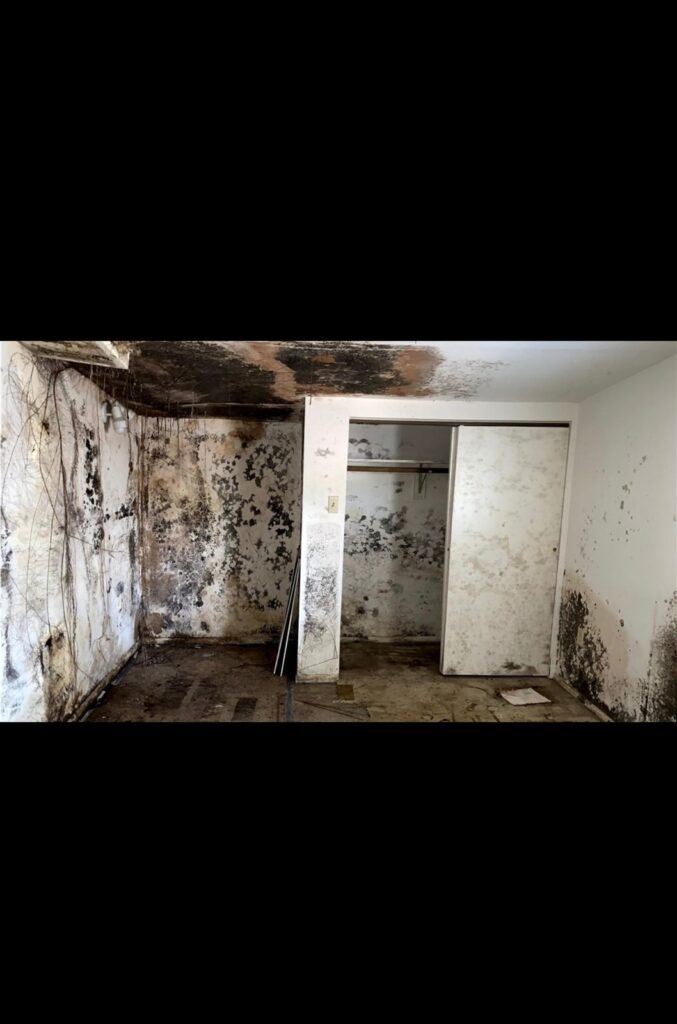
Mold After Water Damage in Melbourne: What Homeowners in Brevard County Should KnowWhere this applies • Homes in Melbourne • Leaks, flooding, storms, AC failuresWhy mold forms after water damage • Moist materials stay wet • Humidity rises quickly • Drying is delayed • Hidden moisture remainsCommon mold locations • Drywall and baseboards • Flooring and subfloors • Cabinets and closets • Attics and crawl spaces • HVAC systemsWarning signs • Musty odors • Visible spotting or staining • Peeling paint or warped materials • Worsening allergy symptomsWhat to do immediately • Stop the water source • Document damage • Dry affected areas within 24–48 hours • Remove soaked materials • Avoid disturbing visible moldMold testing • Confirms extent • Identifies hidden growth • Guides remediation • Supports insurance claimsInsurance note • Coverage depends on cause • Sudden water damage may qualify • Flooding requires flood insuranceWhen to call professionals • Water damage was extensive • Sewage or floodwater involved • Mold odors persist • Health symptoms appearPrevention • Fix leaks fast • Maintain plumbing and HVAC • Control indoor humidity • Inspect after stormsFinal noteFast drying prevents mold. Delays lead to costly remediation.