
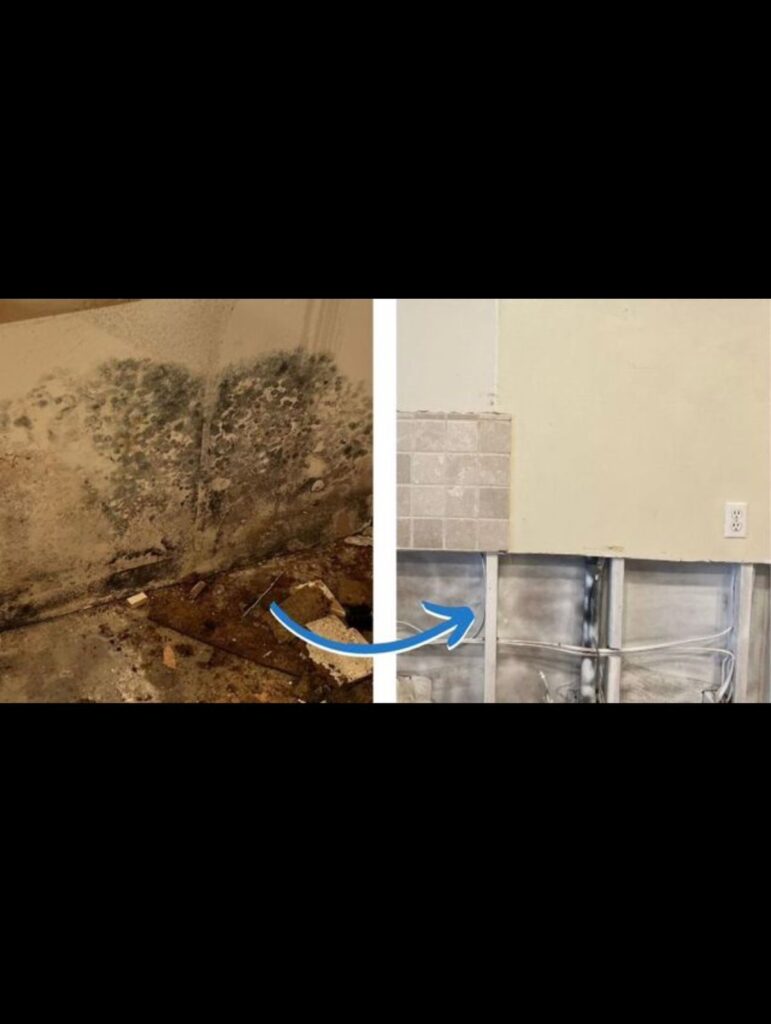
Hidden Mold Problems in West Melbourne: What Homeowners in Brevard County Should Know
If you own a home in West Melbourne, you’re no stranger to humidity.
Brevard County’s climate brings year-round moisture, heavy summer rain, hurricane season, and air conditioning that runs almost constantly. Most mold issues don’t start with dramatic black patches on walls. They start quietly — behind drywall, under flooring, or inside attic spaces.
Hidden mold problems are common in West Melbourne homes, as well as in Palm Bay, Rockledge, Cocoa, Merritt Island, Titusville, Viera, Satellite Beach, and Cape Canaveral. The challenge isn’t just removing mold. It’s recognizing it before it spreads.
Here’s what every homeowner should understand.
What “Hidden Mold” Really Means
Hidden mold refers to growth that develops out of sight. You may not see it immediately, but moisture has already created the right conditions behind surfaces.
In Brevard County homes, hidden mold commonly develops:
- Behind drywall after plumbing leaks
- Under laminate or tile flooring
- Inside wall cavities near windows
- Around AC ductwork
- In attic insulation
- Behind bathroom tile
Because Florida stays warm and humid, mold can grow quickly when moisture is trapped.
Why Hidden Mold Is Common in West Melbourne
West Melbourne experiences heavy rainfall, high humidity, and strong summer storms. Combined with slab foundations and constant AC use, these conditions create ideal environments for concealed moisture.
Humidity That Never Fully Leaves
Even when it feels comfortable indoors, humidity levels may remain elevated. If ventilation isn’t adequate, moisture accumulates in wall cavities.
Storm-Related Water Intrusion
Minor roof damage after hurricanes or heavy rain can allow water into ceilings without obvious leaks.
AC Condensation
Clogged drain lines or sweating ductwork are frequent causes of hidden moisture in Melbourne and Palm Bay homes.
Slab Foundations
Many homes in West Melbourne and Rockledge are built on concrete slabs. Moisture can migrate upward beneath flooring materials.
Older Repairs
Homes that experienced water damage years ago may have been dried superficially, leaving trapped moisture behind walls.
Hidden mold often traces back to a small water issue that was never fully resolved.
Early Warning Signs of Hidden Mold
You may not see mold, but your home may give subtle clues.
Watch for:
- Persistent musty odor
- Recurring wall or ceiling stains
- Warped baseboards
- Bubbling paint
- Soft drywall
- Floors that feel slightly uneven
- Increased indoor humidity
In Viera and Cocoa homes, musty smells are often the first signal that something is happening behind surfaces.
Common Hidden Mold Locations in Brevard County Homes
Understanding where mold hides helps you respond faster.
Behind Bathroom Walls
Slow leaks around shower pans or plumbing fixtures are frequent culprits.
Under Kitchen Cabinets
Dishwasher line leaks or sink drain drips often go unnoticed.
Around Window Frames
Heavy rain in Satellite Beach and Cape Canaveral can force water around improperly sealed windows.
Attics
Improperly vented bathroom fans in Titusville and Merritt Island homes sometimes release moist air directly into attic spaces.
HVAC Systems
Air handlers in garages or closets can create moisture accumulation when drain lines clog.
These areas often remain undisturbed for years, allowing mold to spread quietly.
Why Ignoring Hidden Mold Can Lead to Bigger Repairs
Mold feeds on organic materials like drywall paper, wood framing, and insulation.
When moisture continues:
- Drywall weakens
- Wood framing can deteriorate
- Flooring adhesives break down
- Odors become stronger
- Remediation areas grow larger
The longer hidden mold remains, the more extensive repairs can become.
Addressing moisture early almost always reduces overall repair scope.
Why DIY Approaches Often Miss the Problem
If mold is hidden, surface cleaning won’t solve it.
Common DIY mistakes include:
- Painting over stained areas
- Cleaning visible mold without checking behind walls
- Replacing flooring without inspecting subfloor
- Ignoring attic ventilation issues
Without moisture detection tools, it’s difficult to confirm whether areas are truly dry.
In West Melbourne homes, we frequently see surface-level fixes that left hidden moisture untouched.
What a Professional Mold Inspection Includes
When Brevard Mold Inspections & Removal evaluates hidden mold concerns, the process focuses on moisture mapping.
Detailed Visual Inspection
Identifying areas prone to moisture based on layout and history.
Moisture Meter Testing
Pinpointing elevated moisture levels inside walls and flooring.
Thermal Imaging (When Appropriate)
Revealing temperature variations that suggest concealed dampness.
Attic and HVAC Evaluation
Checking ventilation systems and air handlers for moisture-related issues.
Air or Surface Sampling (If Needed)
Used in certain situations to confirm mold presence and concentration levels.
The goal is to identify the source — not just confirm growth.
How Hidden Mold Is Properly Remediated
If hidden mold is confirmed, remediation follows structured steps.
Containment
Isolating affected areas to prevent cross-contamination.
Controlled Removal
Removing damaged drywall, insulation, or flooring materials as needed.
Source Repair
Fixing leaks, improving ventilation, clearing AC drains.
HEPA Filtration & Cleaning
Reducing airborne mold particles during the process.
Moisture Verification
Confirming humidity and materials are dry before rebuilding.
Proper remediation addresses both mold and moisture — not one without the other.
Preventing Hidden Mold in West Melbourne Homes
In Brevard County, prevention focuses on moisture control.
Practical steps include:
- Keep indoor humidity between 45–55%
- Service AC systems annually
- Inspect AC drain lines regularly
- Check attic ventilation
- Inspect roofs after storms
- Seal windows properly
- Repair plumbing leaks immediately
- Monitor areas previously affected by water
After heavy rain in Melbourne or Palm Bay, it’s wise to check ceilings, baseboards, and closets for new staining.
Early action prevents long-term damage.
Why Local Knowledge Matters
Florida homes face challenges that differ from other states.
Slab foundations in West Melbourne behave differently than elevated homes in Merritt Island. Coastal properties in Cocoa Beach encounter salt-air exposure. Hurricane history influences moisture patterns across Brevard County.
Understanding:
- Local building materials
- Storm patterns
- AC-heavy cooling systems
- Coastal humidity
… makes accurate diagnosis more reliable.
Working with a company experienced specifically in Brevard County conditions ensures the inspection reflects the local environment.
When to Schedule an Inspection
Consider a professional evaluation if:
- You smell persistent mustiness
- You’ve had past storm or plumbing damage
- You see recurring staining
- Floors feel uneven
- You’re preparing to buy or sell a home
An inspection provides clarity and a path forward if needed.
Final Thoughts for West Melbourne Homeowners
Hidden mold problems in West Melbourne are usually moisture problems first.
Brevard County’s humidity, storms, slab foundations, and constant AC use create conditions where moisture can build up quietly behind walls and under floors.
The key isn’t fear — it’s awareness.
Small leaks caught early are manageable. Left alone, they often expand into larger repairs.
If you suspect hidden mold in your West Melbourne home — or anywhere in Brevard County — a careful, professional inspection can provide answers and direction.
Managing moisture is part of Florida homeownership. Staying proactive keeps your home dry, stable, and protected.