
Mold in HVAC Systems in Palm Bay: What Homeowners in Brevard County Should Know
If you’ve noticed a musty smell every time your AC turns on in your Palm Bay home, you’re not alone.
In Brevard County, HVAC systems run almost year-round. They cool the air, remove humidity, and keep homes livable during long, hot months. But when moisture builds up inside the system itself, mold can develop quietly — and then circulate throughout the entire house.
Mold in HVAC systems is one of the more frustrating issues for homeowners because you may not see it. You smell it. You feel it. And sometimes it keeps coming back.
In Palm Bay’s humid climate, understanding how this happens is the first step toward fixing it properly.
Why HVAC Systems Are Vulnerable in Palm Bay
Air conditioning systems naturally create moisture.
As warm air passes over the evaporator coil, condensation forms and drains away through the condensate line.
In theory, that moisture exits safely.
In reality, especially in Florida homes, problems can develop:
- Clogged condensate drain lines
- Dirty evaporator coils
- Poor airflow
- Improper system sizing
- High indoor humidity
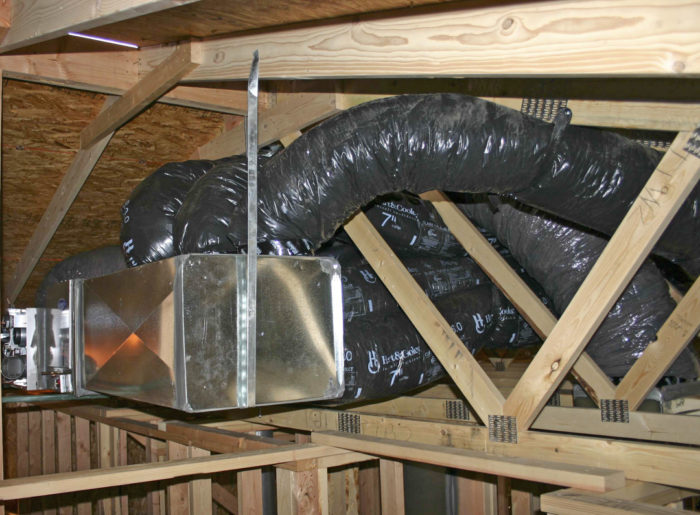
- Leaky ductwork in humid attics
Palm Bay’s year-round humidity means your system works hard constantly. When even small drainage issues occur, moisture accumulates quickly.
And where moisture lingers, mold follows.
The Most Common Places Mold Develops in HVAC Systems
In Palm Bay and nearby areas like Rockledge, Melbourne, and Titusville, mold inside HVAC systems typically appears in:
Evaporator Coils
Dust buildup combined with condensation creates a damp surface.
Drain Pans
Standing water in clogged or improperly sloped drain pans supports growth.
Condensate Drain Lines
Algae and debris block water flow, causing overflow.
Air Handler Cabinets
Moisture and dust accumulation create interior contamination.
Ductwork
Especially in attic-installed ducts where insulation may be damaged.
Because the system circulates air through every room, contamination inside the unit can spread spores throughout the home.
Signs You May Have Mold in Your HVAC System
Many homeowners don’t discover HVAC mold visually.
Common signs include:
- Musty odor when AC first turns on
- Odor stronger in certain rooms
- Increased indoor humidity
- Recurring mold in ceiling vents
- Allergy-like symptoms indoors
- Condensation around air vents
In slab homes common throughout Palm Bay, AC systems are critical for moisture control. When the system struggles, humidity rises — and mold growth can accelerate.
Odor is often the first indicator.
How Attic Conditions Affect HVAC Systems
In Brevard County, many duct systems run through hot, humid attics.
Attics in Palm Bay can reach extreme temperatures.
If duct insulation is damaged or thin:
- Warm, humid attic air condenses on cooler duct surfaces
- Moisture forms inside ductwork
- Airflow decreases
- Mold may develop within duct lining
After hurricanes affecting Cocoa Beach or Satellite Beach, attic moisture intrusion can also impact duct systems.
HVAC contamination often traces back to attic conditions.
Why Oversized AC Units Can Make Mold Worse
It may seem counterintuitive, but oversized AC systems can increase mold risk.
When a unit is too large:
- It cools air quickly
- It shuts off sooner
- It doesn’t run long enough to remove humidity
Short-cycling reduces dehumidification.
Indoor air feels cool but remains damp.
Persistent humidity supports mold growth inside ducts and throughout the home.
Proper system sizing is essential in Florida’s climate.
Why DIY Cleaning Rarely Solves the Problem
Some homeowners attempt to clean visible vent covers or spray inside ducts.
Surface cleaning does not address:
- Contamination on evaporator coils
- Drain pan buildup
- Hidden duct lining growth
- Condensate line blockages
- Attic humidity imbalance
Spraying chemicals into vents without identifying the moisture source may temporarily mask odors but rarely solves the root issue.
In Brevard County, moisture control is always the primary solution.
What a Professional HVAC Mold Inspection Includes
If HVAC mold is suspected in your Palm Bay home, inspection should focus on both contamination and environmental conditions.
A thorough evaluation typically includes:
Visual Inspection of the Air Handler
Checking coils, drain pans, and cabinet interiors.
Condensate Line Testing
Ensuring proper drainage and flow.
Ductwork Assessment
Evaluating insulation condition and attic moisture exposure.
Humidity Measurement
Checking indoor relative humidity levels.
Moisture Mapping
Looking for hidden leaks affecting HVAC components.
Brevard Mold Inspections & Removal evaluates HVAC-related mold issues with attention to both system performance and Florida’s environmental pressures.
Understanding the cause prevents repeat problems.
How HVAC Mold Is Properly Addressed
Remediation may involve:
- Professional coil cleaning
- Drain pan sanitation
- Clearing and flushing condensate lines
- Replacing contaminated duct insulation
- Repairing or sealing ductwork
- Installing UV lights (in some cases)
- Improving attic ventilation
- Lowering indoor humidity
In some cases, severely contaminated duct sections may require replacement.
Stabilizing humidity below 55% significantly reduces regrowth risk.
Preventing Mold in HVAC Systems in Palm Bay
Prevention requires regular maintenance.
Homeowners can:
- Schedule annual HVAC servicing
- Flush condensate drain lines regularly
- Change filters consistently
- Keep indoor humidity between 45%–55%
- Avoid turning off AC during humid months
- Inspect attic ductwork after storms
- Seal attic air leaks
After hurricanes affecting Merritt Island or Rockledge, inspecting attic duct insulation can prevent hidden HVAC contamination.
Routine maintenance protects both air quality and system longevity.
Why Local Experience in Brevard County Matters
HVAC mold in Florida behaves differently than in dry climates.
Palm Bay homes face:
- Lagoon-influenced humidity
- Hurricane-related moisture intrusion
- Slab foundation construction
- Hot attic environments
- Continuous AC operation
An inspector familiar with Brevard County understands how these factors impact HVAC systems specifically.
Brevard Mold Inspections & Removal works throughout Palm Bay, Rockledge, Melbourne, Merritt Island, Titusville, Cocoa Beach, and Satellite Beach. Local experience ensures recommendations reflect Florida’s climate realities.
A Practical, Balanced Perspective
Mold in HVAC systems in Palm Bay is not unusual — but it shouldn’t be ignored.
Because your AC system circulates air throughout your home, addressing contamination early protects indoor comfort and long-term system performance.
If you notice musty odors when your AC runs or recurring vent discoloration, a professional inspection can identify whether moisture is present inside the system.
In Brevard County’s humid climate, consistent maintenance and humidity control are the foundation of preventing HVAC-related mold.
Keep the system clean, keep the air moving, and keep humidity in check.