
Mold After Hurricanes in Cocoa: What Homeowners in Brevard County Should Know
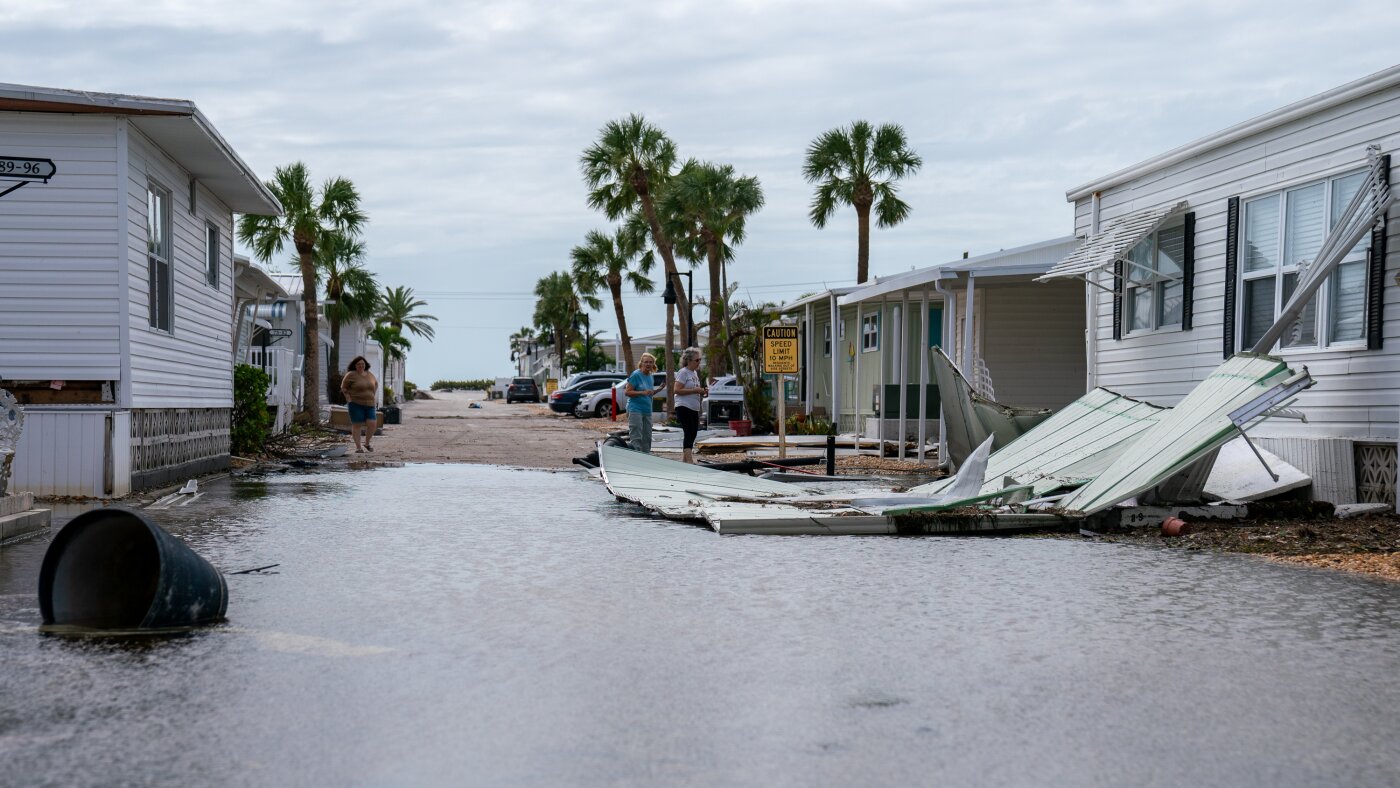
When a hurricane moves through Cocoa, the immediate concerns are usually wind damage, fallen trees, and power outages.
But once the storm passes and things seem calm again, another issue often begins quietly — moisture trapped inside the home.
In Brevard County, mold after hurricanes is common. Between wind-driven rain, roof stress, storm surge, and extended humidity, homes in Cocoa can hold moisture long after visible water disappears.
Understanding how mold develops after storms — and what to do quickly — can prevent long-term damage.
Why Hurricanes Create Ideal Mold Conditions in Cocoa
Hurricanes affect homes in multiple ways.
In Cocoa and nearby areas like Rockledge, Merritt Island, and Satellite Beach, storms often cause:
- Roof shingle displacement
- Damaged flashing
- Window seal breaches
- Wind-driven rain intrusion
- Flooding or storm surge
- Prolonged power outages
Even if your home didn’t flood, wind-driven rain can enter attic vents, soffits, and tiny gaps around windows.
Because Florida’s humidity is already high, drying is slower than in other parts of the country.
When moisture remains trapped in drywall or insulation, mold can begin developing within 24–48 hours.
The Most Common Post-Hurricane Mold Areas
After hurricanes in Cocoa, mold most often appears in predictable places.
Attics
Wind-driven rain frequently enters through ridge vents or lifted shingles.
Wet insulation holds moisture against roof decking for extended periods.
Ceilings and Upper Walls
Water from attic leaks may soak downward through drywall.
Staining may appear days or even weeks later.
Around Windows and Doors
Storm pressure forces rain into small openings.
Salt air accelerates seal wear.
Under Flooring
Water intrusion can travel beneath laminate or tile flooring in slab homes.
Moisture may remain trapped against concrete.
HVAC Systems
Power outages followed by AC restart can lead to condensation buildup.
Clogged drain lines after storms are common.
Each of these areas can support hidden mold growth if not inspected quickly.
Why You Might Not See Mold Right Away
One of the challenges in Cocoa homes is delayed visibility.
After a storm:
- Surfaces may dry while insulation remains wet
- Ceiling stains may not appear immediately
- Flooring may feel normal while subflooring is damp
- Musty odors may develop gradually
In Brevard County’s humid environment, hidden materials dry slowly.
By the time mold becomes visible, it may already be established behind surfaces.
That’s why early inspection matters — even if damage looks minor.
The Role of Power Outages
Extended power outages after hurricanes increase mold risk.
Without air conditioning:
- Indoor humidity rises rapidly
- Moisture remains trapped
- Air circulation decreases
In Cocoa and Cape Canaveral homes, a few days without AC during late summer can significantly elevate indoor humidity levels.
If storm-related moisture was already present, mold growth accelerates.
Restoring airflow and drying as soon as power returns is critical.
Why Quick Surface Drying Isn’t Enough
Many homeowners use towels, fans, or shop vacuums to remove visible water.
While helpful, surface drying does not guarantee structural drying.
Moisture can remain:
- Inside drywall cavities
- In attic insulation
- Beneath flooring
- Inside wall framing
- Around window frames
Without moisture meters or professional equipment, hidden dampness is easy to miss.
In Florida’s climate, trapped moisture rarely resolves on its own.
What a Post-Hurricane Mold Inspection Includes
If your Cocoa home experienced hurricane exposure, a proper inspection should focus on moisture detection.
A thorough evaluation typically includes:
Visual Assessment
Examining ceilings, walls, baseboards, windows, attic spaces, and HVAC systems.
Moisture Mapping
Using moisture meters to locate damp areas behind surfaces.
Infrared Imaging
Detecting temperature differences that may indicate trapped moisture.
Attic Inspection
Checking insulation and roof decking for storm-related water intrusion.
Humidity Measurement
Assessing overall indoor moisture levels.
Brevard Mold Inspections & Removal approaches post-hurricane inspections methodically, identifying both visible and hidden moisture patterns.
The goal is early detection.
How Mold After Hurricanes Is Properly Addressed
If mold is confirmed, remediation generally includes:
- Repairing roof or window damage
- Correcting drainage or exterior gaps
- Containing affected areas
- Removing contaminated drywall or insulation
- Cleaning structural framing
- HEPA air filtration
- Thorough drying
In Florida’s humid climate, drying must be verified before rebuilding begins.
Skipping this step often leads to recurring mold problems.
Stabilizing moisture is essential.
Preventing Mold After Future Hurricanes
While storms can’t be prevented, preparation reduces risk.
Cocoa homeowners can:
- Inspect roofs before hurricane season
- Seal window and door gaps
- Clear gutters and downspouts
- Service HVAC systems annually
- Flush condensate drain lines regularly
- Inspect attics within 48 hours after storms
- Keep indoor humidity below 55%
After hurricanes affecting Merritt Island or Rockledge, early attic checks often prevent hidden mold spread.
Prompt action limits long-term damage.
Why Local Experience in Brevard County Matters
Post-hurricane mold in Florida differs from water damage in dry states.
Cocoa homes face:
- Lagoon-influenced humidity
- Hurricane wind pressure
- Slab foundation moisture
- Salt-air wear
- Warm temperatures year-round
An inspector familiar with Brevard County understands how moisture behaves after storms here.
Brevard Mold Inspections & Removal works throughout Cocoa, Rockledge, Merritt Island, Melbourne, Palm Bay, Satellite Beach, and surrounding communities. Local knowledge ensures hurricane-related inspections reflect Florida’s environmental realities.
A Calm, Practical Next Step
Mold after hurricanes in Cocoa is not unusual.
But it is manageable — especially when addressed early.
If your home experienced roof damage, wind-driven rain, or prolonged humidity during a storm, a professional inspection can provide clarity.
In Brevard County’s humid coastal climate, moisture left unchecked becomes mold.
Act quickly, verify dryness, and stabilize the environment to protect your home long-term.