
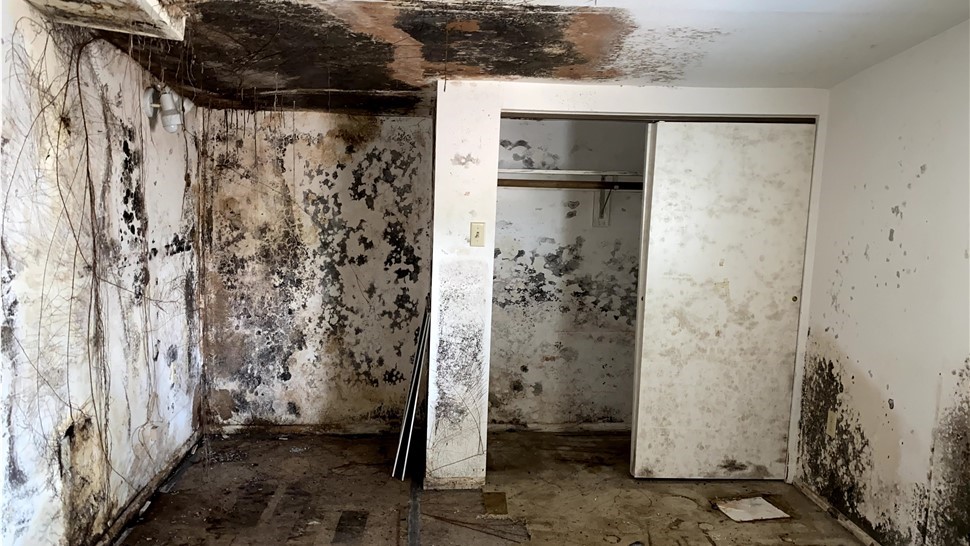
Mold Health Effects in Cape Canaveral: What Homeowners in Brevard County Should Know
If you’ve discovered mold in your Cape Canaveral home, one of your first concerns is probably health.
Is this dangerous?
Is the air safe to breathe?
Should we leave the house?
These are understandable questions, especially in Brevard County where humidity, hurricanes, and salt air make mold a common issue.
The key thing to understand is this: mold affects people differently. Not every exposure leads to noticeable symptoms. But in a humid coastal environment like Cape Canaveral, persistent indoor mold growth can contribute to uncomfortable indoor air conditions.
The solution isn’t panic. It’s identifying moisture, addressing contamination properly, and stabilizing the environment.
Why Mold Is Common in Cape Canaveral Homes
Cape Canaveral homes face unique environmental pressures:
- Direct ocean humidity
- Wind-driven rain during storms
- Hurricane-related roof stress
- Salt-air deterioration of seals
- Year-round AC use
When moisture enters attic insulation, drywall, or HVAC systems, mold can begin developing within 24 to 48 hours.
Unlike dry climates where materials may naturally dry out, Florida’s humidity slows evaporation.
Persistent dampness is what creates indoor air concerns.
How Mold Affects Indoor Air
Mold reproduces by releasing microscopic spores.
In small amounts, mold spores are naturally present in outdoor air everywhere — including Cocoa Beach, Merritt Island, Rockledge, and throughout Brevard County.
Problems arise when indoor conditions allow spores to multiply in large numbers due to active moisture.
When that happens, spores may circulate through:
- HVAC systems
- Open doorways
- Attic spaces
- Crawl spaces
- Ductwork
Elevated indoor spore levels can affect indoor comfort.
Common Symptoms Associated With Indoor Mold Exposure
Some individuals may experience symptoms when exposed to elevated indoor mold levels.
These can include:
- Nasal congestion
- Sneezing
- Coughing
- Eye irritation
- Headaches
- Skin irritation
People with allergies, asthma, or respiratory sensitivities may notice symptoms more quickly.
However, not everyone reacts the same way. Some households experience noticeable discomfort, while others may not report symptoms at all.
The presence or absence of symptoms does not always reflect the amount of mold present.
Why Coastal Humidity Makes Symptoms More Noticeable
In Cape Canaveral and Satellite Beach, high indoor humidity alone can feel uncomfortable.
When humidity exceeds 60%, people often report:
- Heavier air
- Increased stuffiness
- Lingering odors
- Condensation on windows
When mold growth is also present, musty odors may intensify.
Humidity itself does not cause mold symptoms — but it creates conditions where mold can thrive.
Controlling moisture is the first step toward improving indoor air comfort.
Mold in HVAC Systems and Air Circulation
In Brevard County homes, HVAC systems play a major role in indoor air quality.
If mold develops in:
- Evaporator coils
- Drain pans
- Duct insulation
- Air handler compartments
the system may circulate spores throughout the house.
Homeowners often report that odors are strongest when the AC first turns on.
Because Cape Canaveral homes rely heavily on air conditioning, keeping HVAC systems clean and properly drained is critical.
Hidden Mold and Ongoing Exposure
One challenge with mold health concerns is that growth is often hidden.
Common concealed areas include:
- Behind drywall
- Under flooring
- In attic insulation
- Around window frames
- Inside crawl spaces
In slab homes common in Palm Bay and Rockledge, moisture can remain trapped beneath flooring for extended periods.
If musty odors persist without visible mold, hidden moisture may be present.
Addressing visible staining without correcting hidden dampness often leads to recurring air concerns.
The Role of Professional Mold Inspection
If health concerns are part of the equation, a professional inspection can provide clarity.
A thorough mold inspection in Cape Canaveral typically includes:
Visual Assessment
Examining ceilings, walls, attic spaces, plumbing areas, and HVAC systems.
Moisture Mapping
Using moisture meters to identify hidden dampness.
Humidity Measurement
Assessing indoor environmental conditions.
Air Sampling (If Needed)
Comparing indoor spore levels to outdoor baselines when air quality concerns exist.
Brevard Mold Inspections & Removal focuses on identifying active moisture sources first.
Reducing moisture is the foundation of improving indoor conditions.
Why Bleach and Surface Cleaning Aren’t Enough
When homeowners attempt to scrub visible mold, they often focus only on surface discoloration.
However:
- Bleach does not penetrate porous materials
- Scrubbing may release spores
- Surface cleaning does not fix humidity imbalance
- Hidden mold remains untouched
If indoor moisture isn’t corrected, growth often returns.
In Cape Canaveral’s humid environment, moisture control is always the priority.
Proper Mold Remediation and Indoor Air Improvement
When mold contamination is confirmed, proper remediation includes:
- Correcting leaks or ventilation issues
- Containing affected areas
- Removing contaminated materials
- Cleaning structural framing
- HEPA air filtration
- Thorough drying
In Florida’s climate, drying is essential before rebuilding.
Lowering indoor humidity to below 55% significantly reduces mold regrowth risk.
The focus is not only removal — but stabilization.
Preventing Mold-Related Air Concerns in Cape Canaveral
Homeowners can reduce mold-related air issues by:
- Maintaining indoor humidity between 45%–55%
- Servicing HVAC systems annually
- Flushing condensate drain lines
- Inspecting attics after storms
- Sealing windows and exterior gaps
- Repairing roof damage promptly
- Running bathroom exhaust fans consistently
After hurricanes affecting Merritt Island or Cocoa Beach, early attic inspections help prevent hidden growth.
Prevention is always easier than remediation.
Why Local Experience in Brevard County Matters
Mold and humidity behave differently in Florida than in dry climates.
Cape Canaveral homes face:
- Direct ocean humidity
- Salt-air deterioration
- Hurricane wind pressure
- Slab foundation moisture
- Continuous AC operation
An inspector familiar with Brevard County understands how these environmental pressures influence indoor conditions.
Brevard Mold Inspections & Removal works throughout Cape Canaveral, Cocoa Beach, Satellite Beach, Melbourne, Rockledge, Palm Bay, and Titusville. Local knowledge ensures evaluations reflect Florida’s unique climate challenges.
A Calm, Balanced Perspective
Mold in a Cape Canaveral home does not automatically mean a severe health emergency.
But persistent moisture and indoor growth should be addressed thoughtfully.
If you’ve noticed musty odors, recurring mold, or indoor discomfort, a professional inspection can help identify whether active moisture is present.
In Brevard County’s humid coastal climate, managing moisture is the most effective way to protect both your home and your indoor air comfort.
Clear information and steady maintenance go a long way.